 ADVERTISEMENT
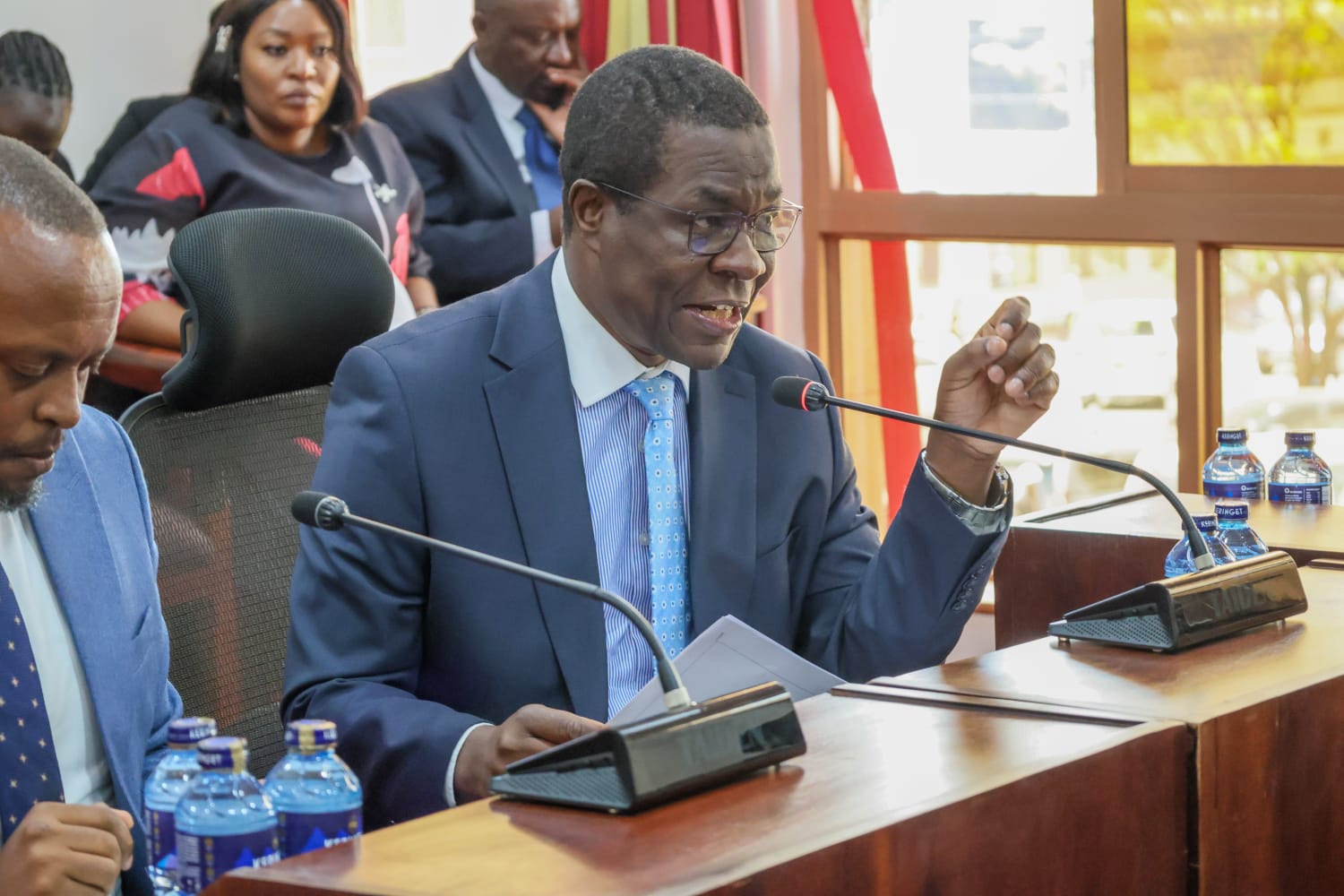
 Cabinet Secretary of Energy and Petroleum Opiyo Wandayi appeared before the Standing Committee on Energy in the Senate of Kenya to update on the status of the Liquefied Petroleum Gas LPG growth strategy and the progress towards universal access to clean cooking by 2028. This session marked a pivotal moment in Kenya’s energy policy landscape, as Wandayi laid out the government’s ongoing efforts to expand LPG infrastructure and distribution networks across urban and rural areas. Senators pressed him on timelines for cylinder filling stations, regulatory reforms for safer handling, and partnerships with private suppliers to ensure steady supply chains. Wandayi responded by outlining how the strategy addresses core barriers in affordability and availability, emphasizing the role of county governments in local implementation. The appearance underscores a renewed commitment from the national executive to treat clean cooking not as an optional upgrade but as a fundamental pillar of household energy security. In my view, this update reveals the strategy’s potential to reshape daily life for millions of Kenyans still reliant on traditional fuels, positioning it as a test case for effective public private coordination under the current administration.
Wandayi’s testimony highlighted the LPG growth strategy’s focus on building a nationwide ecosystem for clean cooking fuels, from production hubs to last mile delivery points. He detailed plans to streamline import processes and incentivize domestic blending facilities, which aim to reduce dependency on foreign suppliers and stabilize prices over time. Committee members raised concerns about enforcement of quality standards and consumer education campaigns, prompting Wandayi to affirm the ministry’s push for mandatory safety certifications and community outreach programs. This exchange exposed the strategy’s emphasis on integration with existing energy frameworks, such as grid expansion and renewable projects, to create a cohesive transition pathway. Beyond the procedural details, the session brought to light how universal access by 2028 hinges on sustained budgetary allocations and inter agency collaboration, areas where past administrations have faltered. I argue that Wandayi’s forthright engagement sets a stronger tone for accountability, as the Senate’s oversight role now holds the executive to concrete deliverables. By framing LPG as central to health and economic productivity, the strategy aligns with devolved governance principles, urging counties to prioritize storage depots and distribution hubs in their development plans. This approach could finally bridge the urban rural divide in energy access, making clean cooking a reality rather than a distant policy goal.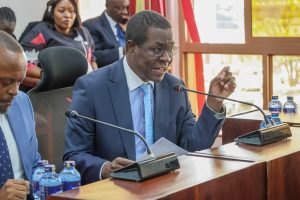
The push for universal clean cooking by 2028, as reiterated by Wandayi, demands a holistic review of regulatory hurdles that have slowed LPG adoption. He addressed queries on cylinder recirculation models, which recycle used containers to cut costs and minimize environmental impact, and pledged accelerated approvals for new retail outlets in underserved regions. Senators underscored the need for harmonized licensing across counties to prevent bottlenecks, a point Wandayi acknowledged by committing to a unified digital platform for permits. This dialogue illuminated the strategy’s reliance on technology for tracking supply movements and verifying compliance, ensuring that fuels reach remote households without delays. In reflecting on the proceedings, it becomes clear that the 2028 target serves as a benchmark for measuring the government’s resolve in energy equity. Wandayi’s appearance reinforces the notion that clean cooking access drives broader socioeconomic gains, from reduced indoor pollution to freed up time for productive activities. Critics might point to implementation gaps in similar past initiatives, yet this update signals a more structured path forward, with the Senate positioned as a watchdog for progress reports. The strategy’s success will depend on embedding LPG into national budgets and fostering trust through transparent procurement, elements Wandayi appeared ready to champion.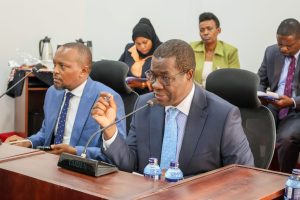
Looking ahead, Wandayi’s Senate briefing positions the LPG growth strategy as a cornerstone of Kenya’s energy sovereignty, intertwining national policy with local execution. He fielded questions on scaling up micro distribution networks for informal settlements and rural markets, stressing the ministry’s role in subsidizing initial setups for small scale operators. The committee emphasized monitoring mechanisms to track household uptake, leading Wandayi to propose annual audits tied to the universal access timeline. This interaction highlighted the strategy’s adaptability to Kenya’s diverse geography, from coastal import points to inland filling stations. My opinion is that such Senate scrutiny elevates clean cooking from a technical exercise to a political imperative, compelling the executive to deliver on promises amid public expectations. By 2028, universal access could redefine household energy norms, provided the strategy evolves with feedback from stakeholders like consumer groups and county assemblies. Wandayi’s composure under questioning suggests a ministry attuned to these dynamics, potentially averting the pitfalls that derailed earlier efforts. Ultimately, this development invites all levels of government to rally around clean cooking as a shared responsibility, ensuring that LPG becomes the default fuel for Kenyan homes and marking a tangible win for policy continuity.
James’ Kilonzo Bwire is a Media and Communication Practitioner.