
 ADVERTISEMENT
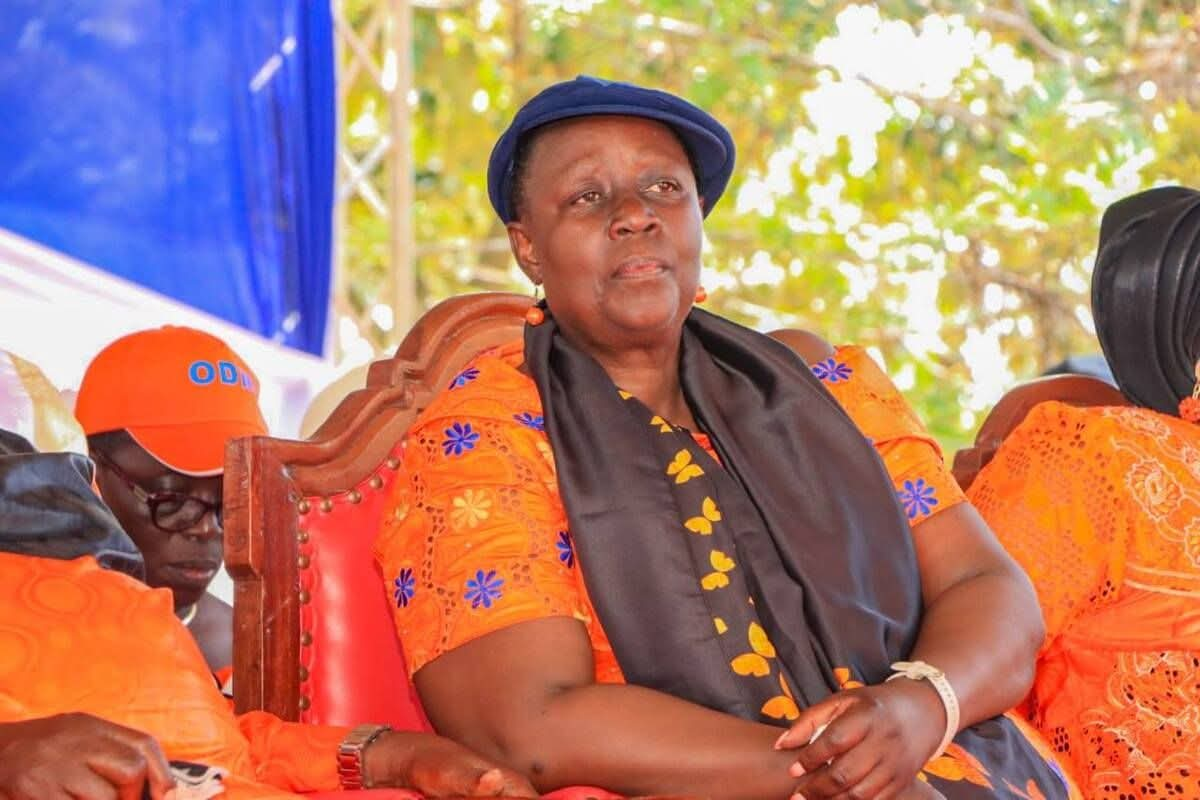
 Who is bankrolling the increasingly extravagant Linda Ground tours? That is the uncomfortable question now rattling Orange Democratic Movement (ODM) circles after veteran activist Ruth Odinga amplified concerns first raised by Nairobi Senator and ODM Secretary-General Hon. Edwin Sifuna—and paid the price in online abuse.
In recent months, Senator Sifuna—alongside a cluster of ODM lawmakers routinely branded “rebels”—has found himself at the center of a widening rift within the party. The fault line traces back to the March 2025 Memorandum of Understanding (MoU) between President William Ruto and the late former Prime Minister Raila Odinga, an agreement meant to steady a nation still reeling from Gen-Z protests and political volatility.
But it was Sifuna’s candid Citizen TV interview that detonated the debate. Calmly, plainly, and on national television, the ODM SG asked what many party faithful have been whispering: where is the money for helicopters, mega tents, mass mobilization, and ODM-branded regalia at Linda Ground events coming from?
Sifuna disclosed a bombshell—ODM has not spent a single shilling on the Linda Ground conventions, despite costs clearly running into millions. As a signatory to the party’s accounts, he argued, it is his duty to ask. So why the backlash? Why the pile-on from what critics describe as “hired bloggers”?
If ODM isn’t paying, then who is?
Are governors footing the bill?
Are MPs dipping into CDF-linked resources?
Has a mysterious philanthropist emerged—unknown even to the party’s Secretary-General—bankrolling the show?
And the most consequential question of all: what does the funder get in return?
Ruth Odinga’s intervention reframes the debate from personality clashes to power and control. Helicopters, tents, and branded crowds don’t just mobilize voters; they script narratives. Control the purse, control the microphone. Decide who gets invited to the tent—and what they are allowed to say once inside.
That dynamic was on full display in Kisumu’s Ciala Resort, where Suba North MP Millie Odhiambo was booed for stepping outside the approved script. The message was unmistakable: dissent will not be tolerated, even in a party built on debate and resistance.
The irony is stark. ODM is constitutionally owed Sh12 billion in Political Parties Fund arrears, based on its parliamentary strength. Government could release the funds—tomorrow. But once ODM controls its own resources, it also controls its own agenda. And that, critics argue, is precisely what some power brokers want to avoid.
With the MoU implementation visibly stalled and fewer than 30 days to its expiry, Sifuna’s declaration that the agreement is “dead” has been labeled treasonous by party hardliners. Yet history offers perspective: how many times was Raila Odinga himself branded a rebel? Even during the “nusu mkate” era, Raila stood his ground publicly and unapologetically.
If President Ruto can fail to honor an MoU he signed with Raila Odinga—after crediting him with stabilizing a sinking Kenya—what assurance exists that any future pre-election pact will be honored? Will a different signature suddenly mean a different outcome?
For ODM’s growing “Tutam” choir, Ruth Odinga’s warning lands heavily: loyalty without accountability is a dead end.
As the clock ticks toward March 7, responsibility no longer rests with committees or taskforces like COIN-10. The buck stops with the man who signed the MoU—President William Ruto. Kenya, and ODM’s restless base, are watching.
Because when the questions are silenced, the answers don’t disappear—they just grow louder.


