
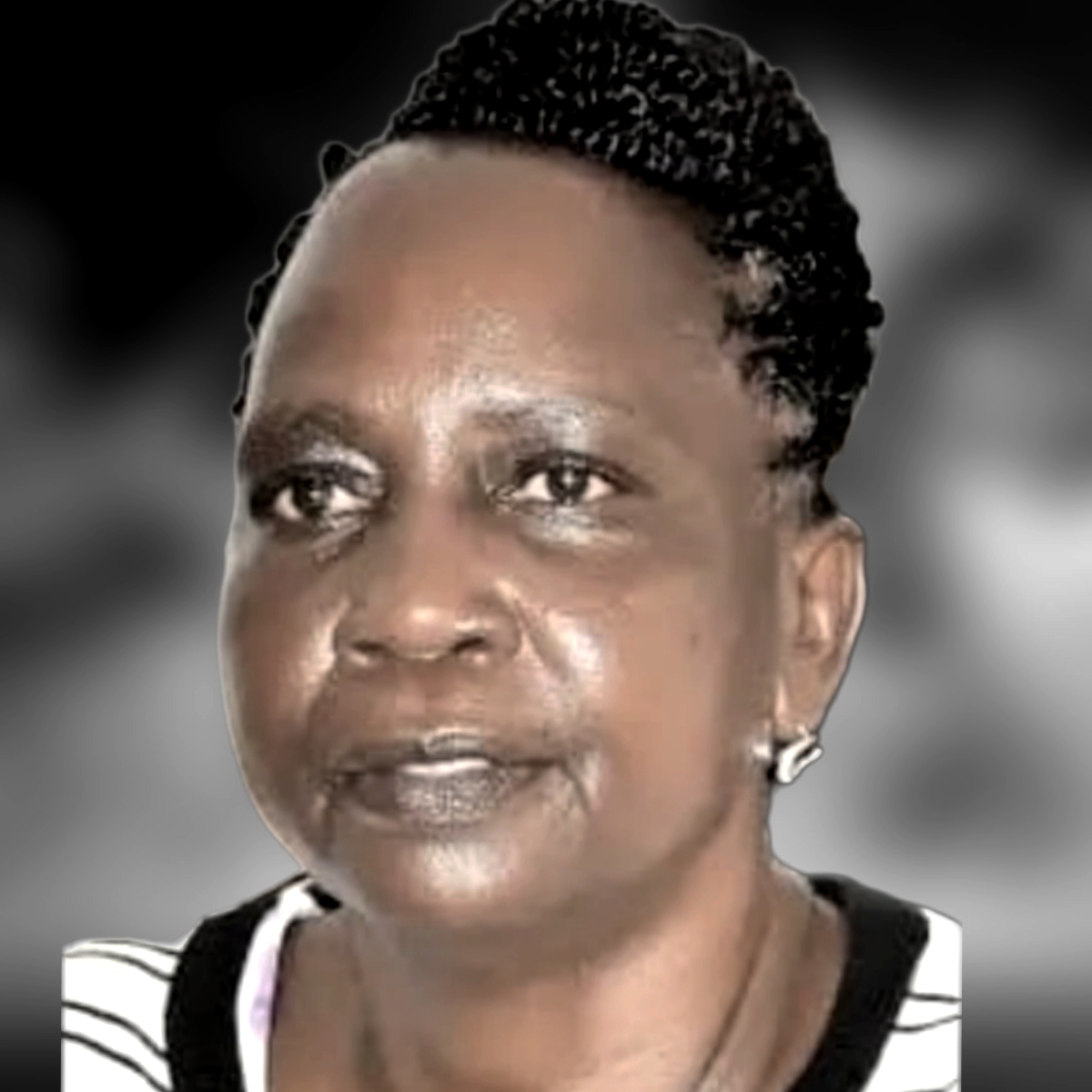
New York/Siaya, Kenya — South East Alego Ward MCA Scholastica Masidis Madowo has issued a bold rallying call to women across Kenya to step forward and contest for elective positions in the 2027 General Election, warning that continued political silence will only deepen gender inequalities.
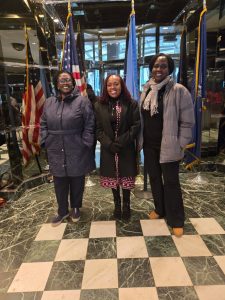
Speaking to Siaya Today from United Nations forums in New York, where she is attending a high-level global meeting on gender equality and governance, Masidis expressed concern over the glaring disconnect between women’s numerical strength as voters and their low representation in leadership.
“It is deeply troubling that women bear the brunt of marginalisation, gender-based violence, and challenges such as menstrual health, yet remain largely absent when it comes to vying for positions that can drive real change,” she said.
The outspoken legislator revealed that in her own South East Alego Ward in Siaya County, she is currently facing political competition from ten male aspirants—despite women forming the majority of the electorate.
“This should not be the case. Women have the numbers. What is needed now is the courage to step forward. The more women contest, the higher the chances of winning and influencing policy,” she added, urging media platforms like Siaya Today to amplify the message and inspire grassroots political participation among women.
Masidis, a fierce advocate for gender justice, has built a reputation as a champion for vulnerable groups—particularly widows. She played a central role in the development and passage of the landmark Siaya Widows Act, a pioneering piece of legislation that has positioned Siaya County as a trailblazer in protecting widows’ rights in Kenya.

Her remarks come at a time when Kenya continues to grapple with the gender gap in political representation, despite constitutional provisions aimed at achieving the two-thirds gender rule. Analysts say cultural barriers, financial constraints, and political intimidation remain key obstacles deterring women from seeking office.
By taking her message to an international stage at the United Nations, Masidis is not only spotlighting local challenges but also aligning Siaya’s gender discourse with global conversations on inclusive governance and women’s empowerment.
As the 2027 elections draw closer, her call adds momentum to a growing push for increased female participation in politics—framing it not just as a matter of equality, but as a necessary step toward sustainable development and social justice.


