

 ADVERTISEMENT
 Siaya Governor James Aggrey Bob Orengo has ignited fresh political intrigue after declaring that “whatever decision I make will be determined by what is happening in national politics.”
The cryptic remark, delivered during an interview with NTV’s David Muthoka to the question whether he will defend his seat, has sent ripples across Siaya and beyond, fuelling speculation about Orengo’s true intentions as the 2027 General Election slowly takes shape.
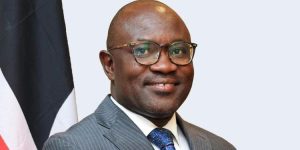
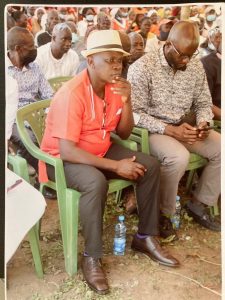
To seasoned observers, Orengo’s statement sounded less like casual reflection and more like a veteran politician weighing his survival options in an increasingly crowded and hostile political arena. The Siaya governor is staring at an imposing line-up of potential challengers: David Ochieng (MDG), Nicholas Odero Gumbo (UDM), and Dr William Oduol Denge (ODM), each with solid grassroots networks and national allies.
The question many are asking is whether Orengo is already wary of defending his seat—and possibly losing it.
Whispers are growing that the former long-serving legislator and constitutional lawyer could be contemplating a symbolic presidential run in 2027—a move that would elevate his national stature, allow him to bow out of elective politics “honourably,” and avoid a bruising county-level defeat at home.
Such a strategy would not be unprecedented in Kenyan politics, particularly for senior statesmen seeking to cap off long careers without the sting of local rejection.
The pressure keeps intensifying with the aggressive re-election campaign for President William Ruto gaining momentum under the Tutam slogan, spearheaded in Nyanza by Energy Cabinet Secretary James Opiyo Wandayi and PS Interior, Raymond Omolo.
Orengo, long branded as anti-establishment and a champion of reformist politics, now finds himself navigating an uncomfortable landscape where state machinery and opposition loyalties collide.

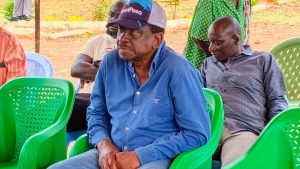
Insiders suggest the governor may be unsettled by the speed and coordination with which pro-Ruto forces are consolidating in the region—an unusual but potent political realignment.
Even if Orengo opts to defend his seat, the arithmetic is unforgiving. A united front involving Wandayi, Oduol, Ochieng, and Gumbo could deliver Orengo his first major electoral embarrassment, ending a storied political career on a sour note.
The situation is particularly delicate in Alego-Usonga, where resentment simmers over claims that the governor sidelined both Dr Oduol and area MP Samuel Onunga Atandi. That discontent could easily translate into a decisive protest vote.
To his credit, Orengo’s first term has delivered visible gains—select infrastructure projects, institutional reforms, and system upgrades across Siaya County.
However, the achievements are overshadowed by persistent allegations of rampant corruption within the county government, an issue that has repeatedly drawn the attention of the Ethics and Anti-Corruption Commission (EACC).
While investigations do not amount to guilt, the frequent visits to the county headquarters have kept governance concerns firmly in the public spotlight—an uncomfortable burden for any incumbent seeking re-election.
Orengo’s carefully chosen words on live television may have been deliberate, but they have opened the floodgates to speculation. Is he repositioning himself for a national role, bracing for a brutal county contest, or quietly planning his political sunset?
One thing is certain: the Siaya governor’s next move will not be local—it will be shaped by the national chessboard. And in Kenya’s unforgiving politics, hesitation can be as dangerous as a wrong step.


