 ADVERT
 ADVERT
By Grace Adhiambo
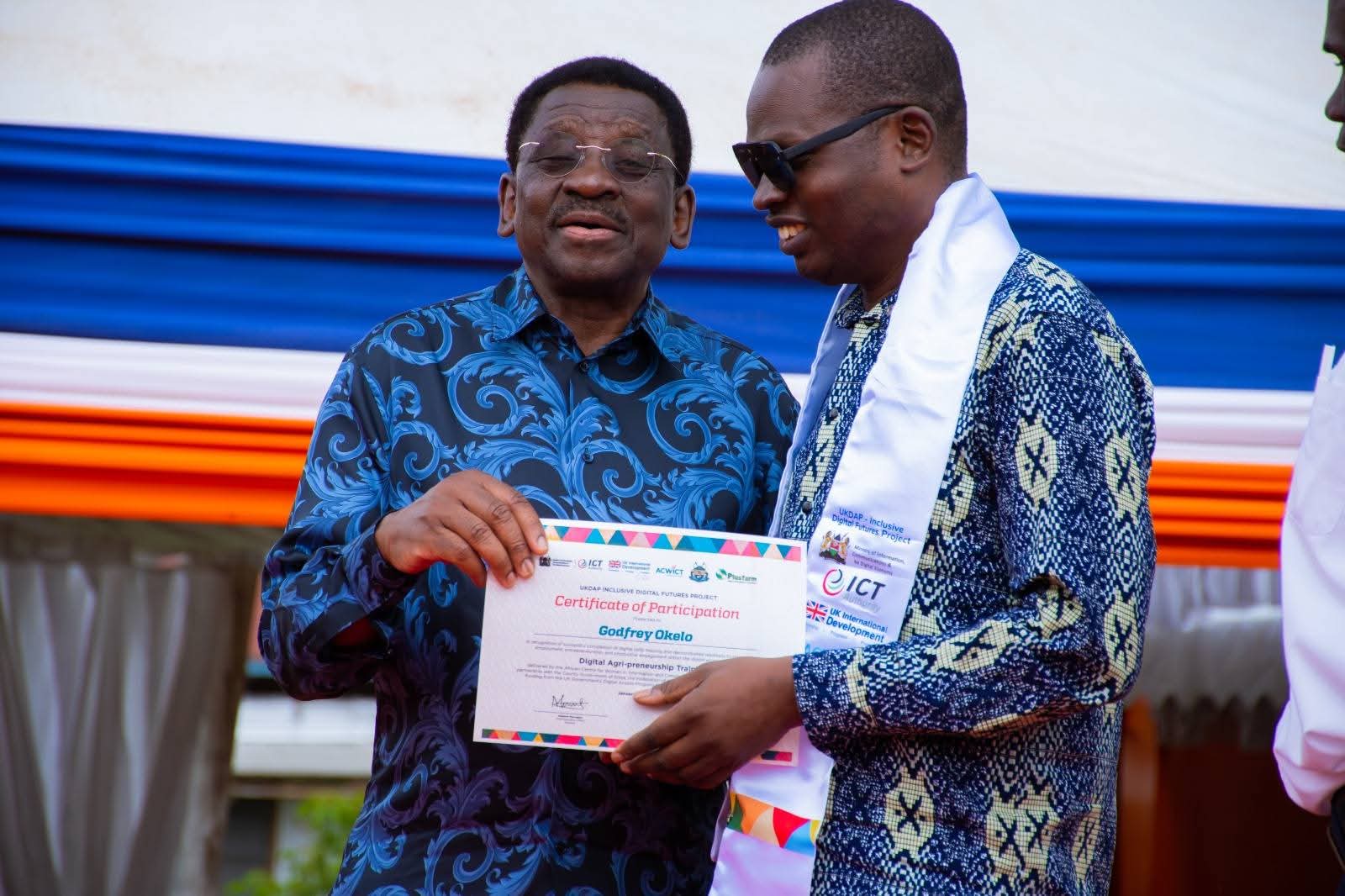
SIAYA — James Orengo has reinforced his administration’s pro-youth, future-focused agenda after presiding over the graduation of 494 community digital champions under a United Kingdom-funded initiative aimed at unlocking grassroots innovation and opportunity.
The colourful ceremony, held at Siaya Institute of Technology, marked the successful completion of the Inclusive Digital Futures Project—a flagship programme implemented in partnership with the African Centre for Women in Information and Communication Technology and supported by the United Kingdom Government through its Digital Access Programme (UK DAP).
Positioning Siaya as an emerging digital hub, Governor Orengo used the platform to underscore the transformative power of technology, especially among Gen Zs, who formed the majority of the graduates.
“Gen Zs are not just the leaders of tomorrow—they are the leaders of today,” Orengo declared, urging the cohort to leverage their newly acquired digital skills to influence governance, entrepreneurship and societal change.
 ADVERT
With a strong policy tilt towards inclusive growth, Orengo framed the initiative as part of his broader development blueprint—one that integrates technology into economic empowerment and leadership development across Siaya County.
Funded by the UK Government, the programme targeted youth, women and persons with disabilities (PWDs), equipping them with practical, market-ready skills in information technology, device repair, online gig work and digital agriculture.
According to Constantine Obuya, Chief Executive Officer of ACWICT, the project goes beyond training individuals—it creates a multiplier effect.
“These graduates are now community digital ambassadors. They will cascade knowledge, mentor others and expand digital access across Siaya,” she said.
Her remarks highlighted the programme’s sustainability model, designed to embed digital literacy deep within communities.
For beneficiaries like Eric Owino, a young person living with disability, the programme has been life-changing. He credited the training for enhancing his engagement in agribusiness through digital tools, opening new income streams and boosting self-reliance.
His story mirrors that of hundreds of others now poised to tap into the digital economy—from freelancing platforms to agritech innovation and small-scale tech enterprises.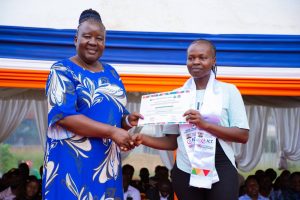
Project coordinators revealed that Siaya recorded the highest participation and engagement levels compared to similar cohorts rolled out in other counties, signaling a surging appetite for digital skills among marginalized groups.
Following its success in Siaya and Busia, the initiative is now set to expand to Elgeyo Marakwet in the next phase—further cementing its national impact.
The Inclusive Digital Futures Project stands as a cornerstone of Orengo’s governance approach—leveraging strategic global partnerships to deliver tangible local impact.
By aligning county priorities with international development support from the United Kingdom Government, the Siaya administration is accelerating efforts to bridge the digital divide, stimulate innovation and create sustainable livelihoods.
As the 494 graduates step into the digital economy, Siaya’s bold bet on technology-driven empowerment is already paying dividends—positioning the county, and its youthful population, firmly on the path to a more inclusive and prosperous future.



