 ADVERT
 ADVERT
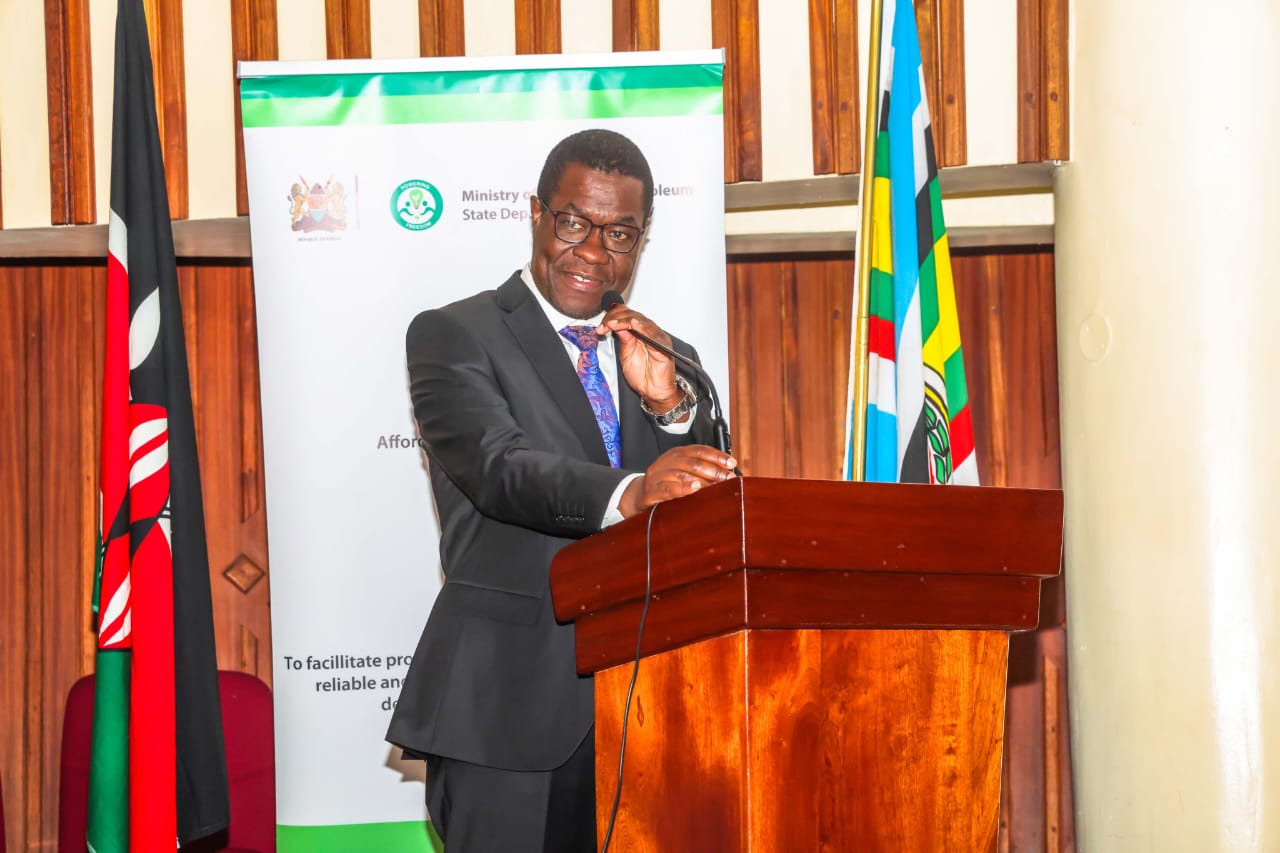
Kenya’s push for clean cooking solutions under the current leadership marks a deliberate shift toward healthier households and stronger communities. The Energy and Petroleum Cabinet Secretary Opiyo Wandayi has positioned electric cooking as a core pathway in the national strategy, emphasizing its role in tackling longstanding challenges tied to traditional fuels. This approach recognizes cooking not just as a daily task but as a foundation for broader development, where cleaner methods open doors to improved living standards and reduced burdens on families. Wandayi’s foreword to the Kenya National Electric Cooking Strategy underscores this by framing electric options as a direct response to health risks and lost time, steering the nation toward sustainable practices that integrate with everyday life. His focus elevates the strategy beyond mere fuel switches, linking it to job creation in local manufacturing and better prospects for women and girls who bear much of the current load. In a country racing against tight timelines, Wandayi’s clarity provides the direction needed to mobilize resources and commitment across sectors.
The government’s broader Kenya National Cooking Transition Strategy complements this by outlining a structured path to universal access, promoting a range of alternatives like LPG, bioethanol, electricity, and sustainable biomass. Wandayi’s oversight ensures these efforts connect seamlessly, fostering local enterprises and supply chains that build economic resilience. This leadership style prioritizes practical implementation, calling on private sector players, development partners, and communities to align behind the agenda. By highlighting electric cooking’s potential, Wandayi addresses the immediate harms of smoke filled kitchens while laying groundwork for long term gains in health and productivity. His strategy treats clean cooking as interconnected with gender equity, as it frees time previously spent gathering fuels for education and income generating activities. This forward thinking framework under Wandayi demonstrates how targeted policy can transform household routines into engines of national progress, with electric solutions standing out for their reliability and scalability in Kenya’s expanding energy grid.
Dr Faith Wandera, Director for Renewable Energy, reinforces Wandayi’s direction by describing clean cooking as a public health priority that demands urgent action. Her insights align with the Cabinet Secretary’s vision, stressing the transition from polluting fuels to safer options as essential for protecting families and the environment. Wandera points to the strategy’s multifuel roadmap as a blueprint that stimulates job growth across the value chain, echoing Wandayi’s emphasis on economic uplift. Together, their voices frame clean cooking as a triple benefit, lives improved through less exposure to harmful smoke, opportunities expanded via manufacturing and distribution, and the planet preserved through lower emissions. Wandayi’s role in championing this agenda ensures it gains traction at all levels, from policy formulation to on the ground adoption. His commitment to electric cooking, in particular, leverages Kenya’s renewable energy strengths, positioning the country as a leader in practical, health focused transitions.
Wandayi’s proactive stance extends to calling for collective action, recognizing that government vision alone requires partnership to succeed. This inclusive approach mobilizes civil society and businesses to invest in clean cooking technologies, creating a supportive ecosystem around the national strategies. By prioritizing electric options, Wandayi taps into Kenya’s hydropower and grid expansions, making clean cooking accessible even in rural areas. His leadership bridges the gap between policy and practice, ensuring strategies like the electric cooking plan deliver tangible shifts in household health and women’s roles. The transition strategy’s action agendas under his guidance provide a roadmap that balances multiple fuels while accelerating adoption, fostering innovation in local production. Wandayi’s emphasis on development outcomes such as job creation and economic stress relief shows a nuanced understanding of how clean cooking fuels wider societal advances.
As Kenya advances these initiatives, Wandayi emerges as the steady hand guiding the nation toward its goals. His integration of electric cooking into the national fabric highlights a strategy rooted in evidence and ambition, addressing health threats head on while unlocking economic potential. Wandera’s support amplifies this by underscoring clean cooking’s centrality to equity and growth, aligning with Wandayi’s directives. The government’s dual strategies form a cohesive plan that Wandayi champions, promoting alternatives that fit Kenya’s diverse contexts and resources. This leadership ensures clean cooking moves from aspiration to reality, benefiting households through safer kitchens and empowered communities. Wandayi’s vision shows that focused policy backed by collaboration can reshape daily life for the better, setting Kenya on a path of sustainable health and prosperity.
 ADVERT
In the end, Wandayi’s direction in clean cooking strategies positions him as a key architect of Kenya’s energy future. His advocacy for electric solutions and transition roadmaps delivers a model of governance that prioritizes people’s wellbeing alongside economic vitality. By rallying stakeholders around these priorities, Wandayi ensures the momentum builds steadily, transforming challenges into opportunities across the nation.
James Bwire Kilonzo is a Media and Communication Practitioner



