 ADVERT
 ADVERT
The Kenya Meteorological Department has issued a stark warning over heightened risks of flash floods, landslides, and displacement as heavy rains continue to pound large parts of the country into early May.
In its latest monthly outlook, the weatherman says the ongoing downpours are far from over, with widespread rainfall expected across key regions including the Highlands East and West of the Rift Valley, the Lake Victoria Basin, the Coast, parts of the Rift Valley, and sections of North Eastern Kenya.
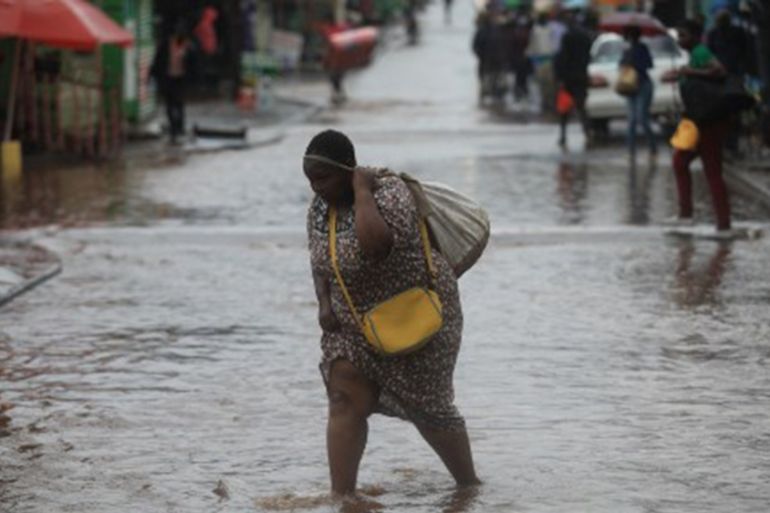
Meteorologists caution that the persistent rains—often intensifying in the afternoon and evening with thunderstorms—are increasing the likelihood of flooding in low-lying areas, river overflows, and landslides in hilly terrains. Communities in vulnerable zones have been urged to remain vigilant as saturated soils heighten the risk of disaster.
“The continued heavy rainfall is likely to worsen waterlogging, damage crops, accelerate soil erosion, and leach essential nutrients,” the department warned, painting a grim outlook for the agricultural sector already grappling with excess moisture.
Beyond rainfall, strong southerly to south-easterly winds exceeding 25 knots are forecast in North Western and North Eastern Kenya, the South Eastern lowlands, and coastal areas. These winds could aggravate already hazardous conditions, particularly affecting marine operations and coastal livelihoods.
 ADVERT
Weather patterns are expected to vary regionally. The Lake Victoria Basin and Highlands West will experience consistent afternoon showers through the first five days of May, with intermittent morning and night rains. Meanwhile, arid regions such as Turkana and Samburu may see a gradual decline in rainfall after the first two days, with brief sunny breaks forecast around May 4 and 5.
In the Highlands East—including Nairobi and surrounding counties—cloudy skies and afternoon showers will dominate, maintaining the wet spell.
The enhanced rainfall is linked to the Madden–Julian Oscillation (MJO), a large-scale atmospheric phenomenon known to influence tropical weather patterns. According to the department, this system is likely to sustain above-normal rainfall into the second week of May before easing later in the month.
The impact of the prolonged rains is expected to ripple across multiple sectors. Farms face potential losses from flooding and nutrient depletion, while transport networks risk disruption as roads and bridges become impassable or structurally weakened.
Public health concerns are also mounting. Wet conditions are ideal for the spread of water-borne diseases and the proliferation of mosquitoes, raising fears of outbreaks in affected regions.
Disaster response teams are bracing for increased pressure as emergencies linked to flooding and landslides rise across the country.
Although May typically marks the tail end of Kenya’s long rains season, the department notes that precipitation may persist into June in some regions, including the Lake Victoria Basin, the Coast, and parts of the Rift Valley and North Western Kenya, before transitioning into the cooler, drier months.
Authorities are urging residents in high-risk areas to stay alert, follow official advisories, and monitor weather updates closely as the country navigates the peak of this volatile rainy season.



