 ADVERT
 ADVERT
High Court slams brakes on outsourcing amid audits exposing inflated claims, missing records, and billions owed—sparking fierce backlash from lawyers.
A jaw-dropping Sh39 billion flowed to private law firms in the 2023/2024 financial year, laying bare Kenya’s explosive legal fees scandal. Counties shelled out Sh30 billion, with the national government adding Sh8.5 billion—frequently for routine tasks that salaried in-house lawyers could perform at zero extra cost.
Audits by the Controller of Budget and Auditor-General uncover rampant irregularities: inflated invoices, absent documentation, and outsourcing without competitive tenders or fee caps. The IEBC alone owes Sh1 billion to just 11 firms for 2022 election petitions, with hundreds of millions disbursed on unverified work.
Nairobi County tops the list with Sh21.3 billion in pending legal debts—though recent verifications have trimmed figures, Sh6.2 billion still allegedly owed to four advocates alone. Kilifi County paid Sh71.5 million to six lawyers without records of court appearances, while even the Ministry of Energy racked up millions in “legal fees” despite the Attorney-General handling all cases.
“This is tenderpreneurship in suits—connections turning public funds into private windfalls,” says lawyer Suiyanka Lempaa. Critics slam the practice as a blatant violation of constitutional mandates for prudent spending, transforming legal services into a lucrative loophole.
 ADVERT
The Law Society of Kenya (LSK) pushes back, with President Faith Odhiambo asserting that engagements follow strict procurement rules and protect the right to preferred counsel. Yet audit reports reveal unchecked excesses: no formal fee agreements, sky-high charges for basic filings, and billions committed without oversight.
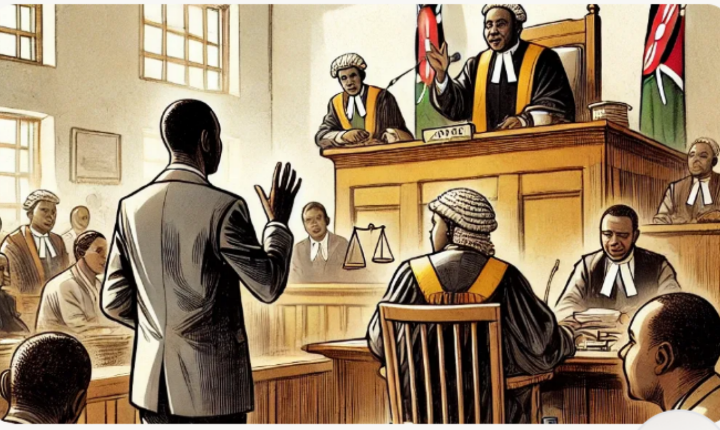
In a landmark move this week, the High Court in Nakuru issued sweeping interim orders on January 12, 2026, prohibiting public entities and counties from hiring private lawyers for matters in-house teams can manage. The ruling, triggered by public interest petitions over runaway costs, threatens millions in pending payments and exposes deep systemic flaws.
Lawyers swiftly protested, with LSK leaders accusing the judiciary of overreach and vowing fierce legal challenges. County attorneys joined the outcry, decrying the orders as disruptive. The standoff highlights massive stakes in an ecosystem where private firms have long profited handsomely from taxpayer funds while public legal departments remain underutilized.
As Kenya battles mounting debt and strained public services, the Sh39 billion scandal underscores urgent needs for reform: stricter fee caps, bolstered in-house capacity through the Attorney-General’s office, and greater reliance on alternative dispute resolution. With billions already lost and accountability in question, taxpayers demand: who will finally plug these leaks?


