 ADVERT
 ADVERT
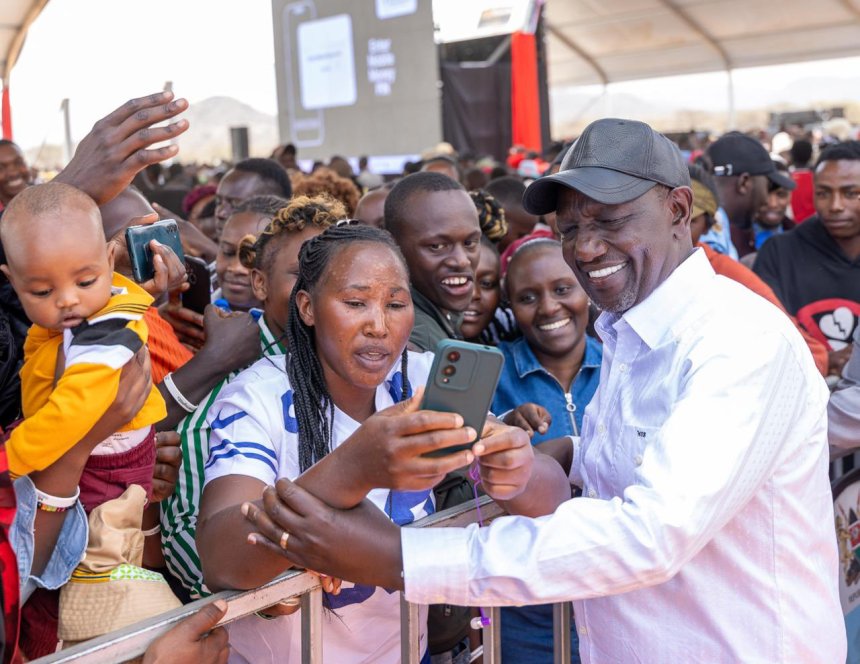
In early 2026, President William Ruto has toured Kenya’s regions—from the North Rift to Ukambani and Central Kenya—personally distributing cheques under the National Youth Opportunities Towards Advancement (NYOTA) Fund. The World Bank-backed initiative targets youth unemployment by offering skills training, apprenticeships, savings matches, and start-up grants of up to KSh 50,000 per beneficiary, aiming to reach over 100,000 young Kenyans.
Supporters hail NYOTA as a practical response to a restless generation. Beneficiaries have used grants to launch small businesses, purchase livestock, or expand informal enterprises. Government officials argue that the program’s emphasis on entrepreneurship and mentorship can shift mindsets, drawing comparisons to human capital investments that propelled economic growth in nations like Singapore. With youth and women forming Kenya’s largest voting bloc, proponents see the fund as timely and necessary for long-term stability.
Yet the manner of its rollout has sparked debate. President Ruto has led most launches himself, often using the occasions to highlight his administration’s achievements and criticise opponents. In Machakos, he dismissed detractors as “fools” for questioning the grants’ impact. Deputy President Kithure Kindiki has similarly urged Kenyans to embrace the program without “divisive politics.” Such rhetoric, critics argue, blurs the line between development and campaigning ahead of the 2027 elections.
Opposition voices, including Wiper leader Kalonzo Musyoka and Nairobi Senator Edwin Sifuna, contend that small grants cannot address structural unemployment or spark industrial growth. Some youth report barriers to access, alleging favoritism or exclusion of Hustler Fund defaulters. Reports also suggest that substantial portions of early funding went to consultancies rather than direct beneficiaries. As a loan-funded project, NYOTA adds to Kenya’s debt, raising questions about sustainability and future repayment burdens on the same youth it seeks to uplift.
Kenya’s past youth funds—Uwezo and the Youth Enterprise Development Fund—offer cautionary lessons. Often tied to the sitting administration, they struggled with perceptions of politicisation, low repayment rates, and limited reach. NYOTA risks repeating these patterns if seen primarily as a presidential flagship.
 ADVERT
A key question emerges: could broader ownership improve public trust? If implemented through neutral institutions with oversight from parliamentarians across political divides, county leaders, and civil society, the fund might transcend partisan suspicion. Joint launches involving opposition figures or cross-party committees could signal genuine national commitment rather than electoral positioning.
President Ruto insists development should remain above politics. Whether NYOTA ultimately shines as a lasting empowerment tool or dims under the weight of electoral optics may depend on how inclusively it is embraced in the months ahead.


