 ADVERT
 ADVERT
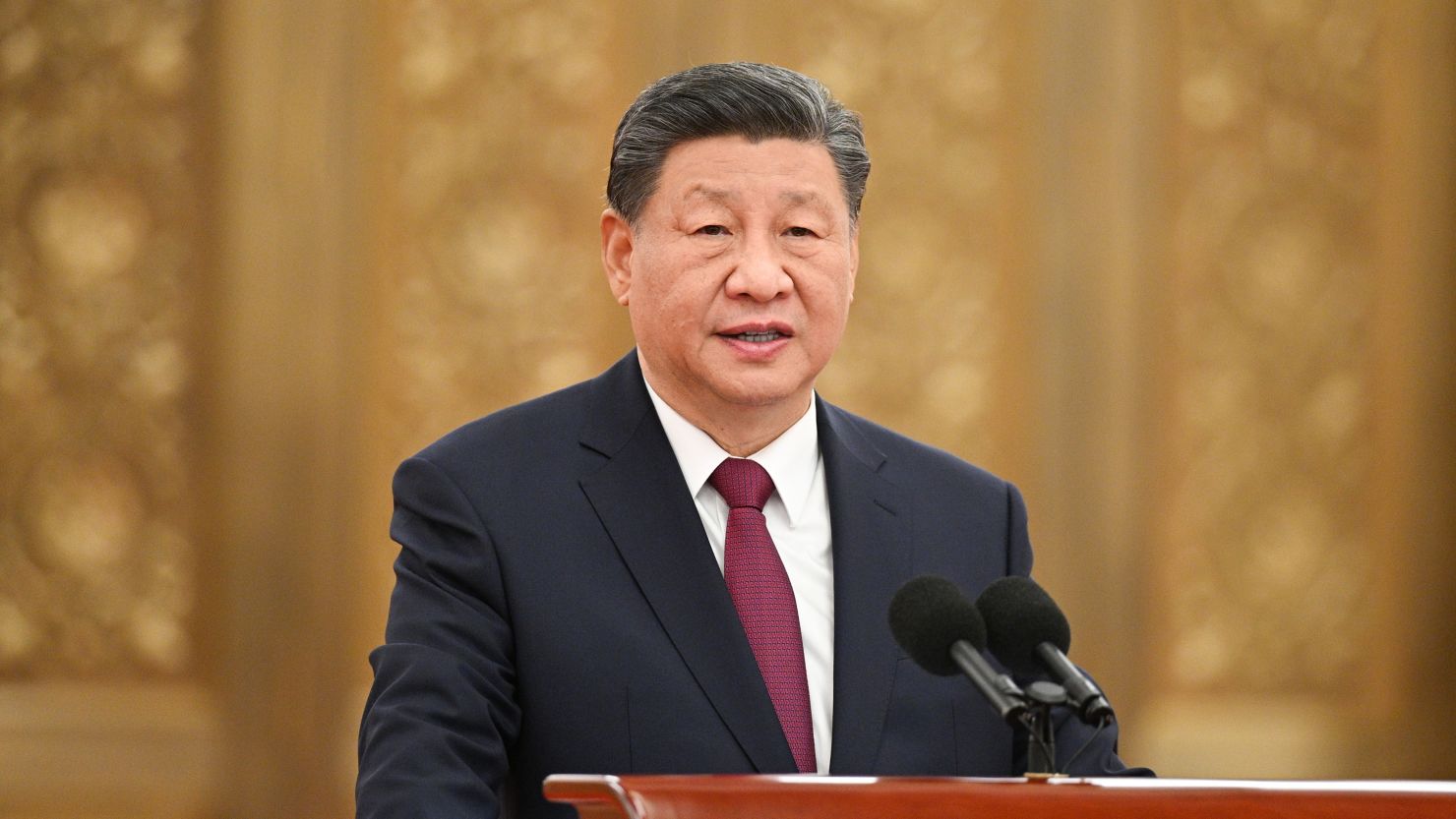
Chinese President Xi Jinping has issued one of his most explicit calls yet for the renminbi (yuan) to achieve global reserve currency status, framing it as a cornerstone of China’s ambition to reshape international finance and reduce dependence on the U.S. dollar.
In excerpts from a 2024 speech published on January 31, 2026, in Qiushi, the Communist Party’s leading theoretical journal, Xi urged the building of a “strong currency” capable of widespread use in international trade, investment, and foreign exchange markets, ultimately attaining reserve currency standing. He outlined essential building blocks: a powerful central bank with effective monetary policy, internationally competitive financial institutions, robust regulation, world-class financial centers, and top-tier talent. While not directly naming the dollar, the statement marks a sharpened articulation of Beijing’s long-term push—ongoing since Xi took power in 2012—to elevate the yuan’s global role.
This comes amid steady progress in yuan internationalization. Cross-border yuan settlements have grown significantly, with nearly one-third of China’s massive foreign trade now denominated in the currency. Beijing has expanded bilateral currency swaps, promoted digital yuan initiatives (including surging transactions on cross-border platforms), and developed alternative payment systems to sidestep dollar-centric networks, particularly in light of geopolitical risks like sanctions.
Yet significant hurdles remain. The latest IMF data shows the yuan comprising only about 2% of global allocated foreign exchange reserves, dwarfed by the dollar’s roughly 57-58% share. Capital account controls, managed exchange rates, and limited full convertibility deter reserve managers who prioritize liquidity, stability, and open markets. Analysts emphasize that true reserve status demands deeper liberalization, rule-of-law reforms, and unrestricted financial flows—areas where China continues to favor state oversight over full market freedom.
Western observers and trading partners have long pressed for yuan appreciation and openness, arguing that controlled depreciation boosts Chinese exports and contributes to large trade surpluses. Proponents in Beijing see the effort as a natural step for the world’s second-largest economy, enhancing trade efficiency, financial sovereignty, and influence in a multipolar world.
 ADVERT
Xi’s renewed emphasis signals strategic patience: yuan internationalization is viewed as gradual and incremental, reliant on domestic reforms and building global trust. While unlikely to dethrone the dollar soon, the push reflects China’s vision for a more diversified global financial order—one where the yuan plays a far larger part.


