 ADVERT
 ADVERT
Pretoria lifts long-standing restrictions, allowing foreign hunters to export trophies of endangered species — a move hailed by industry, condemned by critics.
South Africa will once again grant export quotas for the hunting of black rhinos, elephants and leopards, marking the first time in six years that foreign trophy hunters will be permitted to remove animal trophies from the country.
The decision has ignited fresh global debate over conservation, wildlife economics and ethics — particularly because the black rhino is classified as endangered.
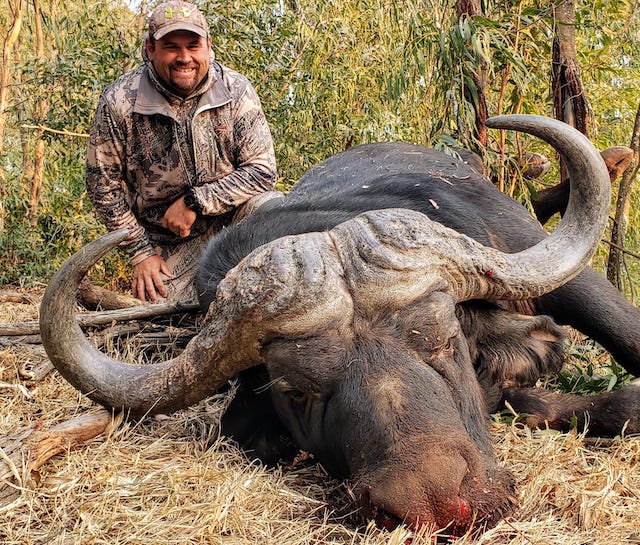
Under the new quotas, international sports hunters can legally export trophies from select animals hunted within approved limits. Industry groups say the move is critical to maintaining the appeal — and price — of South Africa’s elite hunting licenses, some of which can fetch as much as $350,000 per animal.
Hunting associations had pushed aggressively for the reinstatement of quotas. In fact, one group went as far as suing South Africa’s former environment minister — reportedly at the request of his own political party — for declining to issue export permits during his tenure.
 ADVERT
For operators in the lucrative trophy hunting sector, export permissions are non-negotiable. Without the ability to ship horns, tusks or skins home, foreign hunters are far less likely to pay premium fees.
Government’s Conservation Argument
Pretoria insists the policy is rooted in science, not sentiment.
Officials argue that black rhino populations in South Africa are growing under intensive management, making limited, regulated hunting sustainable. Revenue generated from high-value hunts, the government says, is reinvested into conservation programs, anti-poaching units and rural development initiatives.
The argument mirrors broader trends across parts of Africa where governments defend trophy hunting as a conservation financing tool.
In 2024, Tanzania stated in a letter that elephant hunting revenues helped pay park rangers’ salaries — a claim reported by Semafor — reinforcing the position that regulated hunting can subsidize wildlife protection in cash-strapped conservation systems.
Animal rights groups and conservation activists strongly dispute the model, warning that allowing hunts of endangered or vulnerable species sends the wrong global message and risks undermining decades of protection efforts.
They argue that eco-tourism — rather than trophy hunting — offers a more ethical and sustainable revenue stream without removing iconic wildlife from fragile ecosystems.
The reopening of export quotas is likely to intensify international scrutiny, particularly from Western countries where public opposition to trophy imports has grown sharply in recent years.
South Africa’s move underscores a broader African policy divide: whether trophy hunting remains a necessary conservation tool or a relic of colonial-era wildlife exploitation.
With black rhinos, elephants and leopards among Africa’s most iconic species, the stakes extend beyond economics. The debate now centers on a critical question:
Can killing a few save the many — or does reopening trophy exports gamble with extinction?
As export permits resume and hunting licenses hit the market, South Africa once again finds itself at the center of one of conservation’s most polarizing battles.


