 ADVERT
 ADVERT
On Wednesday February 24, 2026, the Orange Democratic Movement (ODM) moved swiftly to sideline key dissenters, stripping high-profile MPs aligned with the rebel “Linda Mwananchi” faction from influential House committees. The move, widely seen as enforcement of party discipline amid deepening internal rifts, has sparked fierce debate: is ODM, long Kenya’s most prominent multi-ethnic opposition force, sliding irreversibly into a Luo-dominated regional outfit?
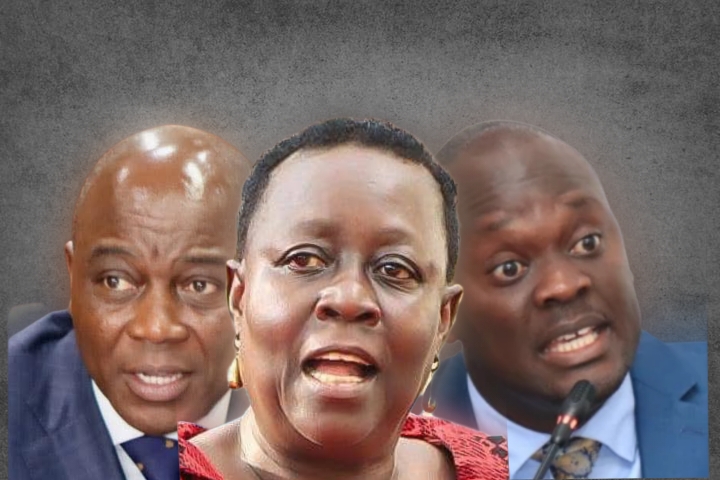
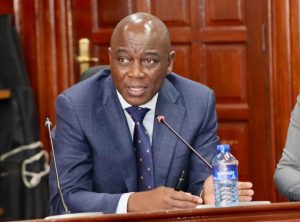
The casualties were immediate and high-profile. Suba South MP Caroli Omondi was unceremoniously removed as chairperson of the powerful Constitution Implementation and Oversight Committee (CIOC) — a critical body overseeing electoral processes and constitutional matters — and demoted to the far less influential Sports and Culture Committee. His replacement? Githunguri MP Gathoni Wamuchomba, a recent convert to the broad-based government alignment.
Kisumu Woman Representative Ruth Odinga, sister of the late party icon Raila Odinga, was shifted from the Agriculture Committee to the mundane Committee on Members’ Services and Facilities. Kitutu Chache South MP Anthony Kibagendi, already suspended from the House, lost his seat on the Public Investments Committee on Governance and Education.
All three are vocal members of the Linda Mwananchi faction, fiercely opposed to ODM’s deepening entanglement in President William Ruto’s broad-based government and any pre-2027 pact supporting Ruto’s re-election. The faction, galvanized after Raila Odinga’s death in 2025, demands ODM fields its own presidential candidate and rejects what they call the “auctioning” of the party to the ruling UDA.
Minority Leader Junet Mohamed, a key figure in the Oburu Oginga-led mainstream faction, issued a chilling warning: “Anyone who will not adhere to party position will relinquish their committee positions to lesser ones, so that they know that it is parties which reward people to positions.” He added ominously, “I wish I go back as a whip, I used to be dangerous. Those people playing with the party, ningenyoa hao bila maji.”
 ADVERT
Majority Leader Kimani Ichung’wah (UDA) openly backed the changes, stating the CIOC chair “should be chaired by a majority side.” Caroli Omondi hit back, accusing a “conspiracy between Majority and Minority leaders” aimed at weakening oversight of elections: “They don’t want me to chair CIOC because they know I’m going to oversight elections.”
The purge is the latest flashpoint in ODM’s post-Raila civil war. The party that once united Kenyans under the iconic “Baba” banner — drawing massive support from Nyanza, Coast, Western, Eastern, and Nairobi — has fractured into two bitterly opposed camps since Raila’s passing.
– Linda Ground Movement (Oburu Oginga-led): Supports the broad-based government arrangement and structured talks with UDA ahead of 2027, with Oburu tasked by the party’s Central Management Committee to lead coalition efforts. Critics accuse them of prioritizing Luo community unity and state access over opposition principles.
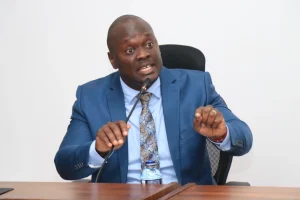
– Linda Mwananchi Movement (Edwin Sifuna-led): The senator from Nairobi (a Luhya from Mumias, Kakamega County) has become the face of resistance. His faction — which includes Luhya, Kisii, and even some Luo voices — has held fiery rallies in Kakamega and elsewhere, vowing to block any Ruto endorsement and positioning itself as a potential “third force.” The split intensified after a failed bid to oust Sifuna as Secretary-General, with the party briefly eyeing Busia’s Catherine Omanyo as replacement.
Suba North MP Millie Odhiambo, whose constituency neighbours Omondi’s, struck a defiant note while defending the party: “Leave our party alone.” Yet she admitted her “heart beats for the opposition” and admiration for Sifuna and Embakasi East MP Babu Owino’s hardline stance.
Luo Council of Elders have called for truce, warning the rift risks fracturing the broader Luo community — already strained by competing claims over Raila’s legacy.
Here lies the explosive question raised by outlets like *The Standard* in its February 26 analysis: does this purge accelerate ODM’s transformation into a “Luo party”?
Historically, ODM was born in 2005 as a genuinely national movement during the Orange referendum — a broad church encompassing Raila’s Luo base but extending deep into Luhya Western, Coastal Swahili and Mijikenda communities, Kamba lands, and urban youth across the country. Raila masterfully balanced ethnic arithmetic without reducing the party to a vehicle for Nyanza alone.
Today, the optics are damning for critics. The purged rebels include a Luhya heavyweight (Sifuna’s faction draws strong Western support), a Kisii MP (Kibagendi), and even Nyanza voices like Omondi (Suba roots, though deeply embedded in Luo politics) and Ruth Odinga. Loyalists clustered around Oburu — himself Raila’s brother from Siaya — dominate the remaining power centres. Replacements often come from UDA-aligned MPs outside traditional ODM strongholds.
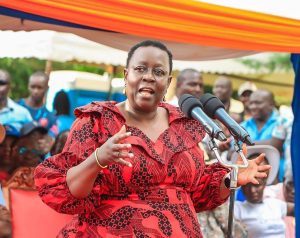
Social media and analysts are blunt: “ODM without Sifuna will shrink into a tribal shell — a Luo outfit gasping for relevance.” One Facebook commentator warned the party is “repeating the same mistake” that cost it in 2022 by alienating non-core groups. Sifuna’s Linda Mwananchi has explicitly courted non-Luo voters with manifestos focused on economic justice, anti-corruption, and a Luhya-inclusive vision for 2027.
Kenyan politics has always been ethnic patronage dressed in ideology. When charismatic bridges like Raila depart, parties frequently contract to their ethnic cores — witness past splintering in other formations. Committee positions are not mere perks; they control budgets, oversight, and patronage networks that sustain multi-ethnic coalitions. Stripping dissenters risks signalling to non-Luo aspirants and voters: toe the (Oburu) line or leave.
Yet defenders argue this is standard party discipline, not tribalism. Rebels openly defied the party’s official position on the broad-based government. Omondi’s own appointment as Azimio Secretary-General (under Uhuru Kenyatta’s influence) and his threats to “oversight elections” were seen as disloyalty bordering on sabotage. Millie Odhiambo insists the party remains bigger than factions: “Baba never looked at using tribal cards.”
The purge is unlikely to end here. House leaders have hinted at further Senate changes and possible disciplinary action against more rebels. Sifuna’s faction shows no signs of surrender, framing itself as the true heir to Raila’s people-centred legacy.
For Kenya’s democracy, the stakes are high. A weakened, regionally confined ODM could fragment the opposition further, easing Ruto’s path in 2027 but risking voter disillusionment and ethnic polarisation. Conversely, if Linda Mwananchi evolves into a viable third force — leveraging Sifuna’s youthful, cross-ethnic appeal — it could reshape the political map.
One thing is clear: the Orange that once symbolized hope for a non-tribal Kenya is fading. Whether ODM reinvents itself as a truly national movement or accepts a narrower Luo-centric future will define not just the party’s survival, but the health of multi-ethnic politics in the post-Raila era.
The rebels have been removed. The real question is whether ODM has just amputated its own future.


