 ADVERT
 ADVERT
Israel has dealt a crushing blow to Iran’s leadership after killing the country’s top security official and the commander of its powerful paramilitary force in a daring strike that has sharply escalated tensions in the Middle East.
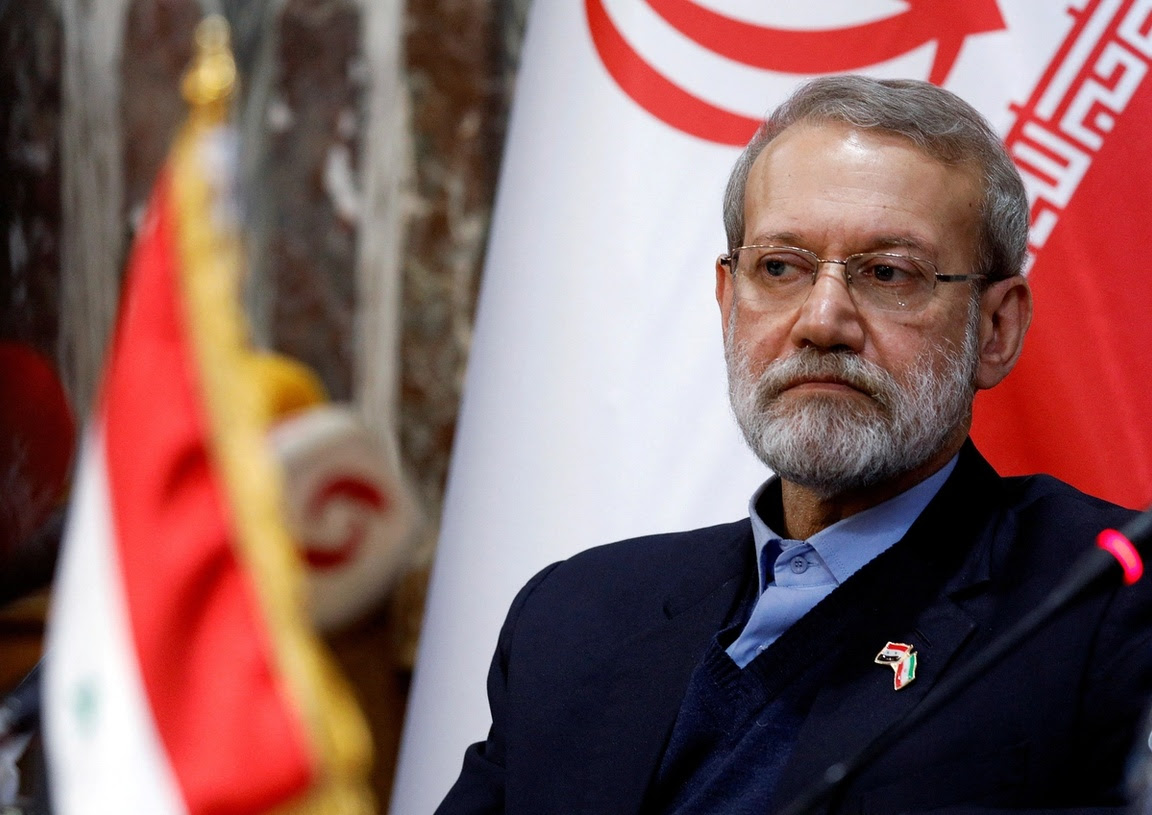
Iranian state media confirmed Tuesday that Ali Larijani, head of Iran’s Supreme National Security Council, and Gholamreza Soleimani, leader of the Basij paramilitary force, were killed in Israeli attacks in what analysts describe as one of the most devastating hits to Tehran’s power structure in years.
Larijani had emerged as one of the most influential figures in the Iranian establishment and was widely seen as the country’s de facto leader following the assassination of Supreme Leader Ali Khamenei earlier this year.
The simultaneous killings of two key figures at the heart of Iran’s security apparatus mark a dramatic escalation in the shadow war between Israel and Iran.
Larijani oversaw Iran’s strategic security policies and coordinated the regime’s response to internal unrest and regional conflicts. He was also central to Tehran’s crackdown on nationwide protests earlier this year, cementing his reputation as a powerful but controversial figure within the government.
 ADVERT
Meanwhile, Soleimani commanded the Basij militia — a powerful paramilitary force linked to the Islamic Revolutionary Guard Corps — tasked with maintaining internal security and suppressing dissent across the country.
The twin assassinations have shaken Iran’s leadership at a time when the country is already grappling with mounting internal pressure and escalating regional tensions.
Security analysts say the precision strikes reveal an extraordinary level of intelligence penetration inside Iran, demonstrating Israel’s capability to track and eliminate high-ranking officials even in heavily guarded areas.
The killings are part of what experts believe is a broader Israeli strategy aimed at dismantling Iran’s command structure and weakening the country’s ability to coordinate military operations across the region.
Despite the severe blow, analysts warn that Tehran is unlikely to back down.
Instead, Iran may intensify the conflict, targeting strategic economic pressure points such as global shipping lanes or energy infrastructure in a bid to force the United States and its allies into a ceasefire.
Experts say Tehran’s leadership now faces powerful incentives to prolong the confrontation by imposing high costs on the global economy and destabilizing energy markets.
The deaths of Larijani and Soleimani have heightened fears of a wider Middle East war, with the possibility of retaliation against Israeli interests or allied forces across the region.
With two of its most powerful security chiefs gone, Iran now faces a critical crossroads — whether to regroup and negotiate, or escalate a conflict that is rapidly reshaping the geopolitical landscape of the Middle East.


