 ADVERT
By Austine Ogollah
The controversial Finance Bill 2026 vote has ignited a fierce national debate over the size, cost, and efficiency of Kenya’s political leadership, raising a critical question: Does the country need as many elected leaders as it currently maintains?
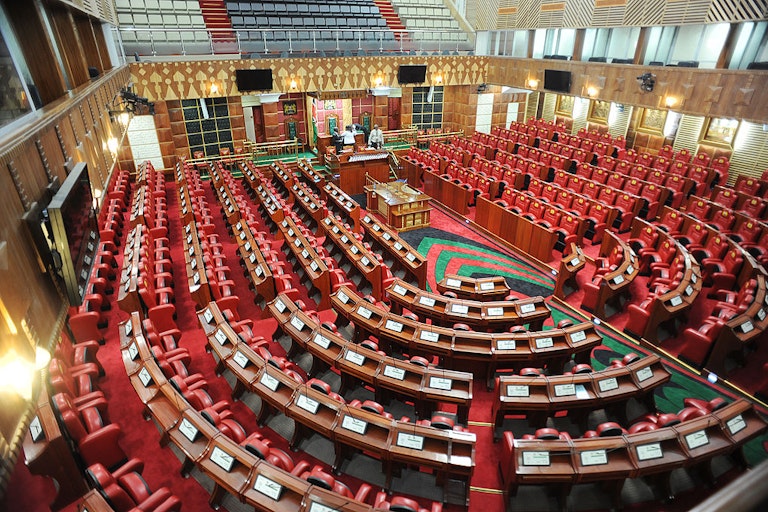
In what should have been one of the most consequential parliamentary decisions of the year, only 162 out of 349 Members of the National Assembly turned up to vote. Of those present, 122 supported the Bill while 40 opposed it, leaving a staggering 187 MPs — more than half of the House — absent during a defining moment for the country’s economic direction.
Yet, despite this low participation, all 349 legislators continue to draw salaries and benefits funded by taxpayers.
A KSh 3 Billion Question
Kenya’s Members of Parliament collectively earn over KSh 3 billion annually in salaries alone. When additional benefits — including allowances, transport, medical cover, security, office operations, and staff support — are factored in, the total cost of maintaining Parliament rises sharply.
This reality has intensified public scrutiny: If 162 MPs can make binding decisions affecting over 50 million Kenyans, why is the country funding 349?
Efficiency vs Representation
Critics argue that the issue is not an attack on democracy, but a call for greater efficiency and accountability in governance. The Finance Bill vote has exposed what many see as a structural imbalance — a large and expensive leadership system delivering limited participation when it matters most.
“The concern is not just absenteeism,” analysts note. “It is the overall cost of governance relative to output and public value.”
The Expanding Cost of Governance
Since the promulgation of the 2010 Constitution, Kenya has embraced devolution, successfully bringing services closer to citizens. However, this progress has come with an expanded governance structure that now includes:
– President and Deputy President
– Governors and Deputy Governors
– Senators and Members of Parliament
– Women Representatives
– Members of County Assemblies (MCAs)
– County Executive Committee Members
– Chief Officers, advisers, and numerous support staff
While each role serves a purpose, the cumulative financial burden of sustaining this layered system has become increasingly difficult to justify — especially amid rising taxation, unemployment, and a high cost of living.
Value for Money?
For many Kenyans, the debate boils down to a simple issue: value for money.
Every shilling spent on maintaining an oversized political structure is a resource diverted from essential services such as healthcare, education, infrastructure, water, agriculture, and job creation.
The Finance Bill vote has now provided a real-world case study suggesting that parliamentary business can proceed with significantly fewer legislators.
Time for a National Conversation
The moment has reignited calls for a comprehensive review of Kenya’s governance framework, including:
– The size of Parliament
– The necessity of certain elective and nominated positions
– Broader public sector expenditure on leadership
As the country grapples with economic pressures, experts argue that reducing the cost of governance must become part of the national reform agenda.
Kenya now stands at a crossroads. Can it continue to justify the cost of maintaining hundreds of leaders when fewer than half actively participate in critical decisions?
The answer may shape the future of governance, accountability, and public trust.
What remains clear is this: Leadership should not be measured by numbers, but by impact.
And for many Kenyans, the time to rethink the size and cost of Parliament is now.


