 ADVERT
 ADVERT
A 70-year-old widow in Buru area, Ndigwa Location of Rarieda Constituency, Siaya County, has been left homeless and humiliated after being forcefully evicted by her stepdaughters in a distressing family dispute that has shocked the local community.
The elderly woman, whose husband died earlier this year, was allegedly driven out of her matrimonial home by the daughters of her late husband’s brother—triggering a chain of events that culminated in a heartbreaking burial conducted in a newly cleared bush.
According to residents, the late husband had built his home on land that had been donated to him by his elder brother. However, tensions had long simmered, with the brother’s daughters reportedly resenting the family’s presence on what they considered their father’s property.
Those tensions boiled over immediately after the man’s death, when the daughters seized the moment to evict the grieving widow—despite her advanced age and vulnerable status.
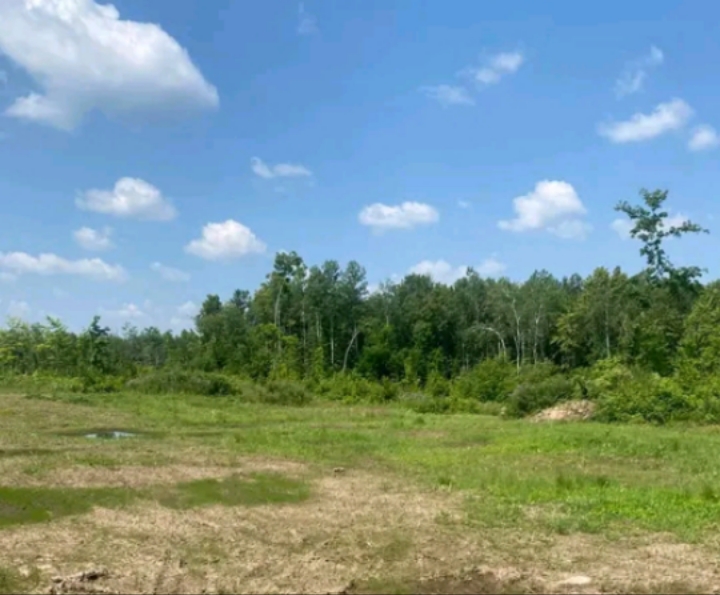
Witnesses say the eviction was not only abrupt but deeply humiliating, leaving the widow with no option but to bury her husband in a hastily cleared section of bushland after being denied access to the homestead.
 ADVERT
The widow, who has no sons, now faces an uncertain future. She is expected to relocate to a separate parcel of land previously owned by her late husband, where she will attempt to rebuild her life from scratch.
Area Assistant Chief Linet Odero confirmed the incident, describing the situation as “sad” but maintained that authorities have limited room to intervene.
“This is a family matter involving land ownership and inheritance. As administration, our hands are tied when it comes to personal family arrangements,” she said.
The case has raised serious concerns about the protection of widows’ rights in rural Kenya, particularly in patriarchal settings where women without male heirs often face heightened vulnerability.
Despite the gravity of the situation, local leaders—including the area Member of County Assembly—and human rights activists have remained conspicuously silent, drawing criticism from sections of the public who are demanding accountability and justice.
Community members are now calling for urgent intervention to safeguard the dignity and rights of widows, warning that such incidents continue to expose deep-rooted cultural and legal gaps in land inheritance and family protections.
As the elderly widow begins life anew under difficult circumstances, her story stands as a stark reminder of the silent struggles faced by many women across the country—long after the mourning ends.



