 ADVERT
 ADVERT
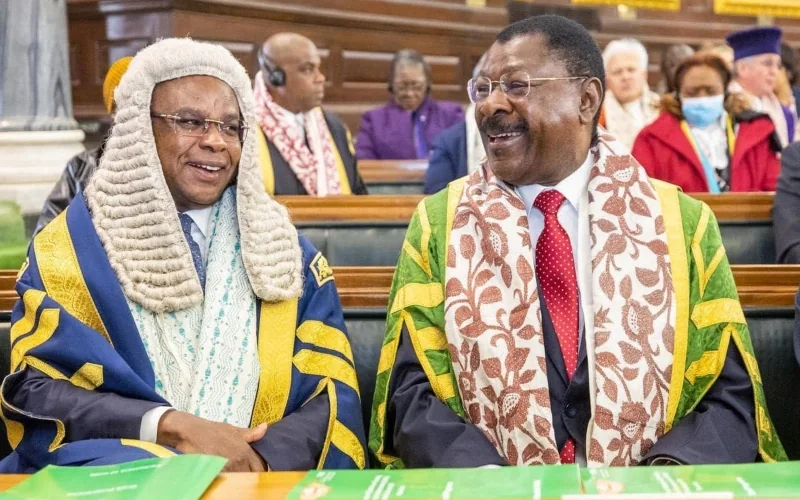
A fresh constitutional storm is brewing after National Assembly Speaker Moses Wetang’ula and Senate Speaker Amason Kingi were dragged to court over alleged partisan political activity, in a case that could redefine the boundaries of neutrality for top parliamentary offices.
Lobby group Vocal Africa has filed a petition at the Milimani Law Courts seeking orders to bar the two Speakers from engaging in political campaigns while still serving in their influential legislative roles. The group accuses Wetang’ula and Kingi of leveraging the authority, prestige and resources of their offices to rally support for President William Ruto’s anticipated 2027 re-election bid and to advance the Kenya Kwanza coalition’s political agenda.
At the heart of the petition is the claim that the Speakers—constitutionally expected to remain impartial—have crossed the line into active partisan mobilization. Vocal Africa cites a string of political events in Mombasa, Emuhaya, Eldoret and across the Coast region, where the two leaders allegedly took center stage in campaigns seen as drumming up support for Ruto.
The petitioners argue that such conduct undermines the integrity of Parliament and erodes public confidence in the independence of its leadership. They are seeking court orders to prohibit the Speakers from participating in political rallies, endorsing candidates, or engaging in any activity that could be construed as partisan while in office.
Further, the suit calls for strict enforcement measures, including barring the use of public funds, state resources and official platforms for political purposes. It also seeks to compel relevant oversight bodies to investigate the alleged misuse of office and recommend appropriate sanctions if violations are established.
 ADVERT
Legal analysts say the case raises weighty constitutional questions about the separation of powers and the expectation of neutrality among presiding officers of Parliament. Traditionally, Speakers are required to rise above party politics to ensure fairness in legislative proceedings—an expectation now being tested in the court of law.
If the court sides with Vocal Africa, the ruling could set a far-reaching precedent, potentially reshaping the political conduct of parliamentary leaders not just ahead of 2027, but in future administrations.
As the case unfolds, all eyes will be on the judiciary to determine whether the line between political allegiance and constitutional duty has been crossed—and what that means for Kenya’s democratic institutions.



