 ADVERT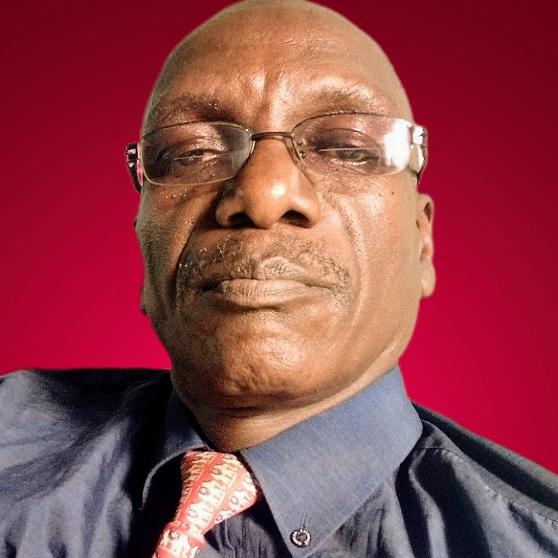

 ADVERT
President William Ruto’s long-time aide, Farouk Kibet, has ignited succession politics by declaring that Western Kenya stands the best chance of producing his boss’s successor once Ruto completes his final term in 2032.
Speaking at a funeral service in Malava constituency on Wednesday, September 24, 2025, Kibet rallied the Mulembe community to throw its full weight behind Ruto’s re-election bid in 2027, promising that the Kalenjin community would “return the favour” when Ruto bows out of office.
“William Ruto ako na miaka tano; term yake ya mwisho ikimalizika, naomba hiyo miaka kumi inayofuata iwe ya Mluhya,” Kibet told mourners. “Jirani wa karibu si ni Mkalenjin? Si wako na kura? Mbona tusitembeleane? Jamii ya Mlembe na jamii ya Kalenjin mkiweka umoja, nyinyi mtakalia kiti baada ya Ruto.”
Translation: “William Ruto has five years; when his final term ends, I am asking that the following ten years belong to the Luhya. Your closest neighbour is the Kalenjin, isn’t it? Don’t they have the votes? Why shouldn’t we support each other? If the Mulembe and Kalenjin communities unite, you will take the presidency after Ruto.”
Kibet’s remarks signal a bold attempt to seal a political pact between the two vote-rich blocs, one that could drastically reshape Kenya’s succession arithmetic ahead of 2032.
 ADVERT
Wetang’ula’s Parallel Bid
His declaration comes hot on the heels of National Assembly Speaker Moses Wetang’ula’s open admission that he intends to run for the presidency after Ruto’s tenure.
Wetang’ula has been urging the Luhya community to unite behind Ruto in 2027, framing the election as a make-or-break moment for Western Kenya’s long-standing presidential ambitions.
“When you want to be a leader, you must allow other people to use your shoulders to climb to power so that when your time arrives, they will also give you their shoulder to climb,” Wetang’ula said recently, echoing the spirit of political sacrifice.
He underscored that his own political choices align with this principle: “Personally, I am doing so, for the Luhya community’s dream of wanting to rule the country will be determined by the 2027 elections. We will support William Ruto, and after his term in 2032, I will be ready to take over from him; the field will be open.”
What It Means for 2027 and Beyond
Kibet’s endorsement of Western Kenya as Ruto’s natural successor bloc dovetails with Wetang’ula’s own ambitions, potentially setting the stage for fierce competition within the region over who will emerge as the frontrunner.
Analysts say the remarks mark the clearest signal yet that Kenya’s political class is already playing the long game for 2032, with alliances and regional bargains beginning to take shape seven years ahead of schedule.
For now, however, the message from both Kibet and Wetang’ula is clear: Western Kenya’s road to the presidency runs through unwavering support for William Ruto in 2027.


