 ADVERT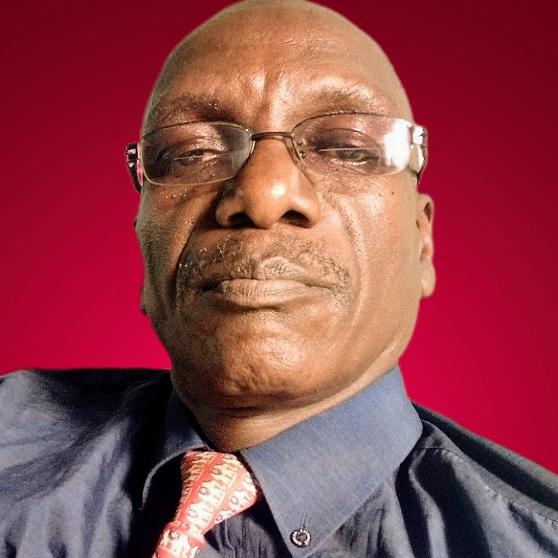

 ADVERT
Kenya’s press freedom landscape has once again come under sharp scrutiny following the arrest and detention of Mombasa-based journalist Peter Mwita Maseke, a move the Media Council of Kenya (MCK) has condemned as intimidation aimed at silencing investigative reporting.
In a strongly worded press statement released on January 1, 2026, the MCK demanded the immediate release on free bond of Mwita, a journalist working with Alshifaa Media Group, warning that his continued detention under unclear circumstances poses a grave threat to media freedom and constitutional rights.
According to the Council, Mwita is being held in connection with information he allegedly authored concerning the organisation of criminal gangs operating in Kisauni, Mombasa County, which was circulated via WhatsApp. The journalist had been summoned by police to record a statement on December 30, 2025, before being arrested a day later on December 31.
MCK argues that the circumstances surrounding the arrest point to a troubling misuse of law enforcement powers to criminalize journalistic work—particularly reporting on matters of public interest and security.
“The arrest of Mwita for journalistic work relating to matters of public interest is a blatant attempt to silence whistleblowers and push journalists into self-censorship,” the Council said.
 ADVERT
The Council reminded both national and county governments that Articles 33 and 34 of the Constitution of Kenya explicitly guarantee freedom of expression and freedom of the media, rights it described as foundational to any democratic society.
Of particular concern to media watchdogs is the increasing use of the Computer Misuse and Cybercrimes Act to target journalists, a trend critics say has morphed into a convenient tool for harassment, intimidation, and fishing expeditions aimed at exposing confidential sources.
MCK warned that any attempt to compel Mwita to reveal his sources would amount to a direct violation of professional journalistic standards and a breach of the Constitution.
In its statement, the Council called on the Inspector General of Police to intervene decisively and ensure officers on the ground respect the delicate but critical boundary between law enforcement and media freedom.
“The Council demands the immediate cessation of harassment against Mr Mwita,” the statement read, urging police leadership to rein in what it termed overreach by local officers.
Mwita’s arrest adds to a growing list of cases that media rights groups say signal a shrinking civic and media space, particularly as the country inches closer to the 2027 General Election. Analysts warn that intimidation of journalists—especially those covering security, corruption, and organised crime—could have a chilling effect on accountability reporting.
As pressure mounts from local and international press freedom advocates, the case is fast becoming a litmus test for the state of media independence, constitutionalism, and the rule of law in Kenya.
For now, all eyes remain on the police—and whether Mwita will regain his freedom or become yet another symbol of a deepening press freedom crisis.
—Ends—


