 ADVERT
 ADVERT
Kenya’s private sector closed 2025 on a strong footing, buoyed by rising demand, robust sales, and the fastest pace of job creation seen in more than six years, according to the latest Stanbic Bank Kenya Purchasing Managers’ Index (PMI).
The PMI rose to 53.7 in December, firmly above the 50.0 mark that signals expansion. Together with November’s reading of 55.0, the last two months of 2025 marked the strongest business conditions recorded in four years, pointing to sustained momentum across the economy.
Businesses reported sharp increases in activity, sales, and purchasing as customer demand remained resilient. Many firms said fuller order books drove higher output, extending a growth streak that peaked in November at a five-year high and remained historically strong in December.
Employment growth stood out as a major highlight. Companies expanded their workforce at the fastest rate since November 2019, reflecting efforts to build capacity and prepare for future demand. The construction sector was particularly active, supported by government-led initiatives to stimulate economic activity.
Firms also ramped up purchasing, marking a third consecutive month of growth in input buying. This was driven by stock-building, improved supply chains, and a desire to secure market share. Supplier delivery times shortened at the quickest pace in over four years, underlining improved logistics and supply conditions.
 ADVERT
On prices, inflationary pressures showed signs of picking up. Input costs rose at a solid pace in December, rebounding from an 18-month low in November. Businesses cited higher taxes on certain purchases, fuel costs, and material prices as key drivers. While selling prices also increased—at the fastest rate since July—overall cost pressures remained below long-term averages.
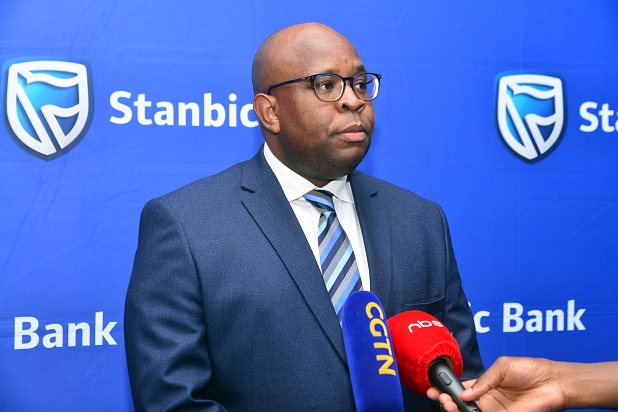
Commenting on the results, Christopher Legilisho, Economist at Standard Bank, said the PMI’s continued expansion signals strong demand heading into the new year.
“The index stayed in expansion territory, implying that solid demand conditions are still driving new orders and lifting output in the private sector,” he said. “Year-end output is therefore likely to turn out healthy. Firms across most sectors increased employment and stepped up purchases and inventories to remain competitive as conditions improved.”
Legilisho noted that while wage costs rose modestly, they remained well below historical trends. However, he warned that stronger consumer demand and higher input prices could push inflation higher in the coming months as business confidence improves.

Looking ahead, business optimism strengthened slightly in December. Firms expect output to grow in 2026, supported by planned investments, product diversification, staffing increases, rebranding efforts, and higher advertising spend.
Overall, the December PMI paints a picture of a private sector that not only ended 2025 on a high note but also enters 2026 with confidence—expanding capacity, hiring more workers, and positioning itself for sustained growth in the year ahead.


