 ADVERT
 ADVERT
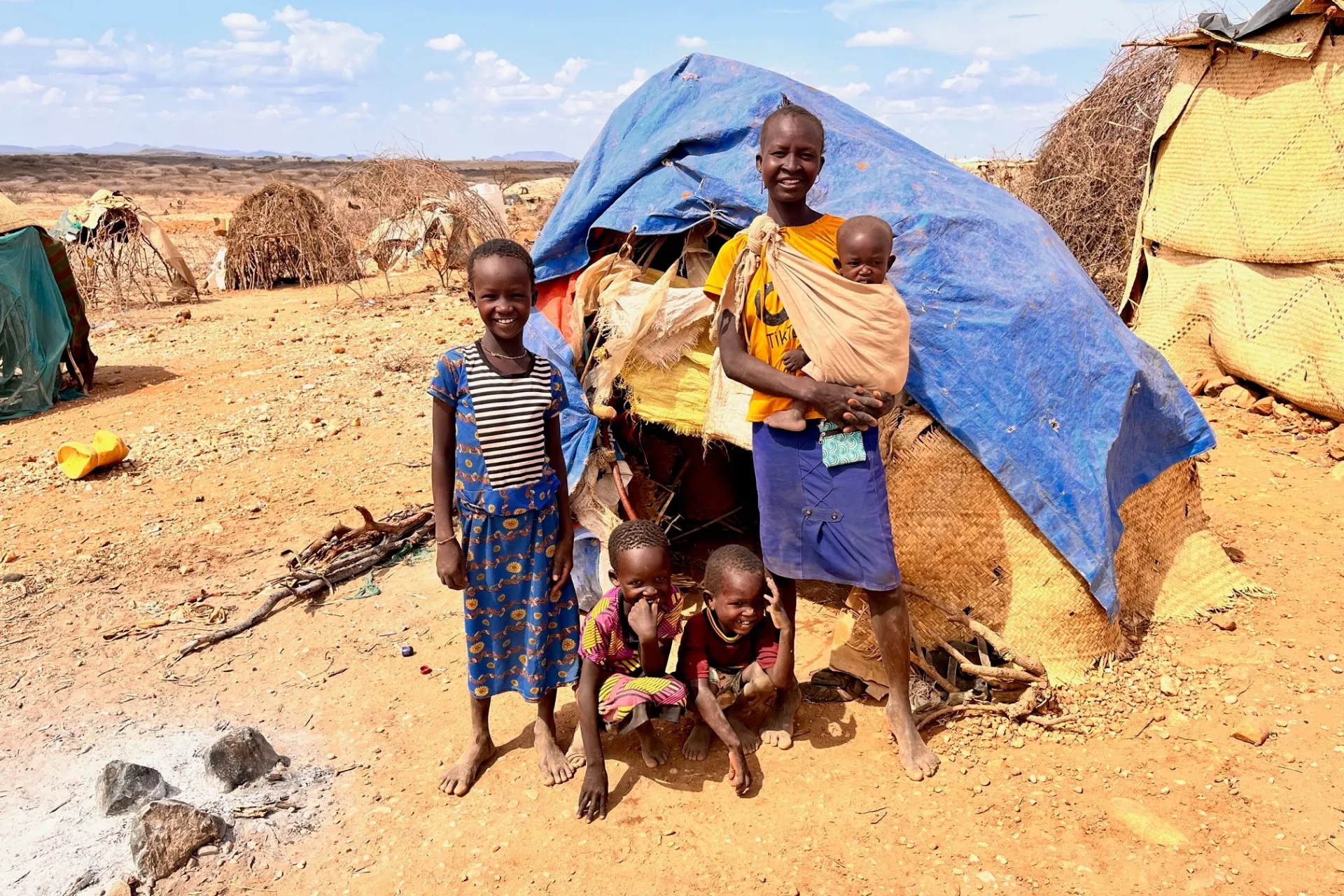
In the sun-scorched expanses of Northern Kenya, a brutal drought tightens its grip, leaving families desperate and livestock carcasses littering the landscape. Children plead for food, women trek miles for water that often isn’t there, and entire communities teeter on the edge of starvation. Yet, as hunger bites deeper, shocking questions linger: billions of shillings poured into the region since devolution have mysteriously failed to deliver relief or development.
According to recent reports, Northern Kenya counties have received massive infusions of devolved funds—estimates suggest over Sh1 trillion in total since 2013 through equitable shares, NG-CDF, grants, and emergency allocations. Despite this, visible progress remains elusive: roads crumble, water pans dry up, hospitals lack supplies, and fodder for dying animals never arrives. Critics point to systemic mismanagement and outright corruption, with funds allegedly diverted to personal luxury—opulent homes in Nairobi, foreign investments, or simply vanishing into private pockets.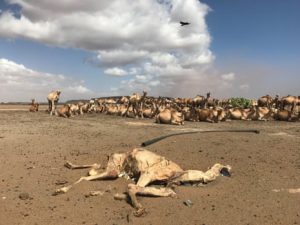
Former Deputy President Rigathi Gachagua has been vocal, urging residents to petition for a special audit of all public funds disbursed to the region since devolution. He accuses local leaders of incompetence and graft, claiming billions meant for drought mitigation and livelihoods have been squandered while camels and goats perish en masse. Prominent voices like lawyer Ahmednasir Abdullahi echo this, asserting that a forensic review would expose 90% waste or misappropriation, fueling underdevelopment amid historical neglect.
The crisis intensifies: poor short rains, La Niña effects, and negative Indian Ocean Dipole have pushed over 2 million people into acute food insecurity (IPC Phase 3+), with projections worsening into 2026. Counties like Garissa, Mandera, Wajir, Marsabit, and Isiolo suffer most, as water sources fail and pastoralists lose everything. National responses—such as the government’s release of Sh6 billion for drought mitigation and Sh870 million in cash transfers to vulnerable households—offer some cushion, but critics argue these fall short amid broader emergency fund controversies, including claims of Sh43.5 billion mysteriously withdrawn.

Local leaders defend against blanket accusations, with some dismissing them as divisive and lacking moral authority from outsiders. The Ethics and Anti-Corruption Commission confirms ongoing probes, including cases against senior officials, rejecting notions that graft is uniquely regional.
 ADVERT
As carcasses pile up and hunger claims lives, the tragedy exposes a painful truth: while funds flow freely, accountability evaporates. Northern Kenya’s people demand answers—not more promises. Urgent, transparent audits, direct aid delivery, and real reforms could yet break this deadly cycle of drought and deceit. Until then, the question haunts: Where did the billions go?


