 ADVERT
 ADVERT
Kenya’s education system is under siege.
A fast-spreading wave of school fires, violent unrest, and mass closures has engulfed more than 70 secondary schools nationwide, exposing deep cracks in a system long praised for discipline and academic excellence. What began as scattered incidents has now escalated into a full-blown national crisis.
From elite institutions to rural day schools, no tier has been spared.
Alliance High School. Mang’u School. Nairobi School. Moi Girls Nairobi. Kakamega High. Lenana School. State House Girls.
These are not just schools — they are pillars of Kenya’s academic identity. Their disruption signals something far more dangerous than ordinary indiscipline.
 ADVERT
It signals systemic failure.
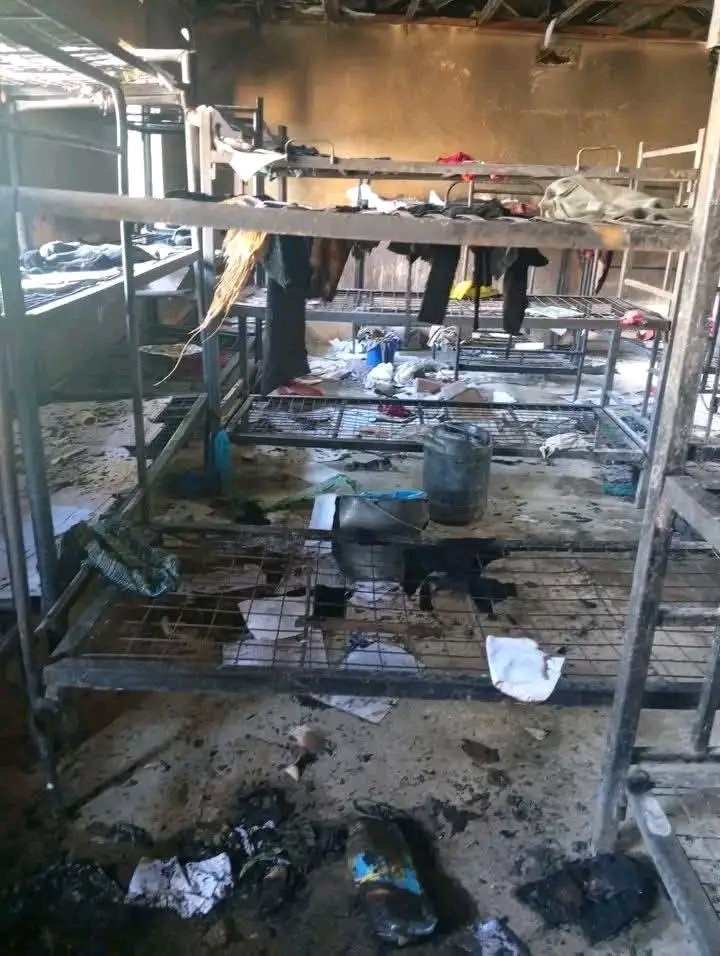
Dormitories are burning in the dead of night. Students are being sent home in waves. Administrators are scrambling. Security agencies are reacting — but not preventing.
The sheer scale and coordination of the unrest point to more than spontaneous rebellion. This is a pattern. And it is accelerating.
Yet, even as the list of affected schools grows by the day, the national response remains fragmented — focused on punishment rather than diagnosis.
Behind the flames lies a convergence of pressure points that have been ignored for too long:
A Strained Education Transition
The Competency-Based Curriculum (CBC) rollout has left many students confused, anxious, and uncertain about their academic future. For candidates in transitional classes, the pressure is immense — and poorly managed.
Authoritarian School Environments
Reports of rigid rules, punitive discipline, and minimal student engagement continue to surface. In many schools, unrest erupts shortly after crackdowns by administration.
A Silent Mental Health Emergency
Students are struggling — with stress, burnout, and emotional distress — in systems that barely acknowledge mental health. Guidance and counseling remain underfunded and ineffective.
The Copycat Effect
One fire sparks another. Social networks among students are amplifying unrest, turning isolated incidents into a nationwide contagion.
Poor Living Conditions
Overcrowded dormitories, substandard facilities, and unresolved welfare concerns are fueling resentment — particularly in under-resourced schools.
Authorities have responded with threats of arrests, expulsions, and tighter controls. But experts warn this approach treats symptoms — not causes.
Calls are intensifying for a bold reset: a nationwide pause, a full audit of school conditions, and an honest reckoning with student grievances.
Because what is burning is not just infrastructure.
It is trust.
Parents are grappling with sudden closures, financial strain, and fear for their children’s safety. Teachers are caught in the middle — tasked with enforcing discipline in an increasingly volatile environment, without the tools to address its root causes.
The following institutions have reported unrest, fires, or have sent students home:
1. State House Girls
2. Senior Chief Koinange
3. Loreto Limuru
4. Gitugi Girls
5. Naivasha Girls
6. Saseta Girls
7. Mary Mount Girls
8. Kahuhia Girls
9. Kapoliel Girls
10. Tambach Boys
11. Lenana School
12. Moi Forces Academy, Lanet
13. Ambira High School
14. Barding High School
15. Njumbi High School
16. Masosa Mixed Secondary
17. Alliance High School
18. Utumishi Boys Academy
19. Maranda High School
20. Gatanga Girls
21. Bware High School (Uriri)
22. Lang’ata High School
23. Nginda Girls
24. Moi Boys High School, Voi
25. Tarakwa High School
26. Mahoo Girls
27. Kenyatta High School, Mwatate
28. Dr. Aggrey Boys High School
29. St. Mary’s Lushangonyi Secondary
30. Kalama Secondary School
31. Kaumoni Boys High School
32. Nguumo High School
33. Kavuthu Secondary School
34. Sacred Heart Kyeni Girls
35. Eldoro Girls High School
36. Dr. Kiano Boys High School
37. St. George’s Girls, Nairobi
38. Upper Hill School
39. Mang’u High School
40. Nairobi School
41. Ngiriambu Girls
42. Hospital Hill High School
43. Limuru Girls
44. Molo Academy Boys Secondary
45. St. Alexis Ruchu Girls
46. Kiriwara Boys High School
47. Kipsigis Girls
48. Baricho High School
49. St. Bakhita Bahati Girls
50. Oloolaiser Senior School
51. Parklands Arya Girls High School
52. Jomo Kenyatta Girls High School
53. Utumishi Boys
54. Kisumu Girls High School
55. Kakamega High School
56. Kabianga High School
57. Kahasoko Boys High School
58. Chianda High School
59. Mukumu Girls High School
60. St. Anne’s Secondary, Jogoo Road
61. Moi Girls Kamangu
62. St. Paul’s Igonga Secondary
63. St. Maria Veronica Secondary
64. Bikeke Girls, Kitale
65. Sironga Girls High School
66. Moi Girls Nairobi
67. Tala Boys High School
68. Tala Girls High School
69. Kisii School
70. St. Charles Lwanga Ichuni Girls
71. Agoro Sare High School
And the list continues to grow.
Kenya is no longer dealing with isolated school unrest. This is a national emergency unfolding in real time.
The burning dormitories are not acts of mindless destruction. They are signals — urgent, coordinated, and deeply rooted.
The real question is not whether schools should be closed.
The real question is whether the country is ready to confront the truth behind why they are burning.


