 ADVERT
 ADVERT
By James Bwire
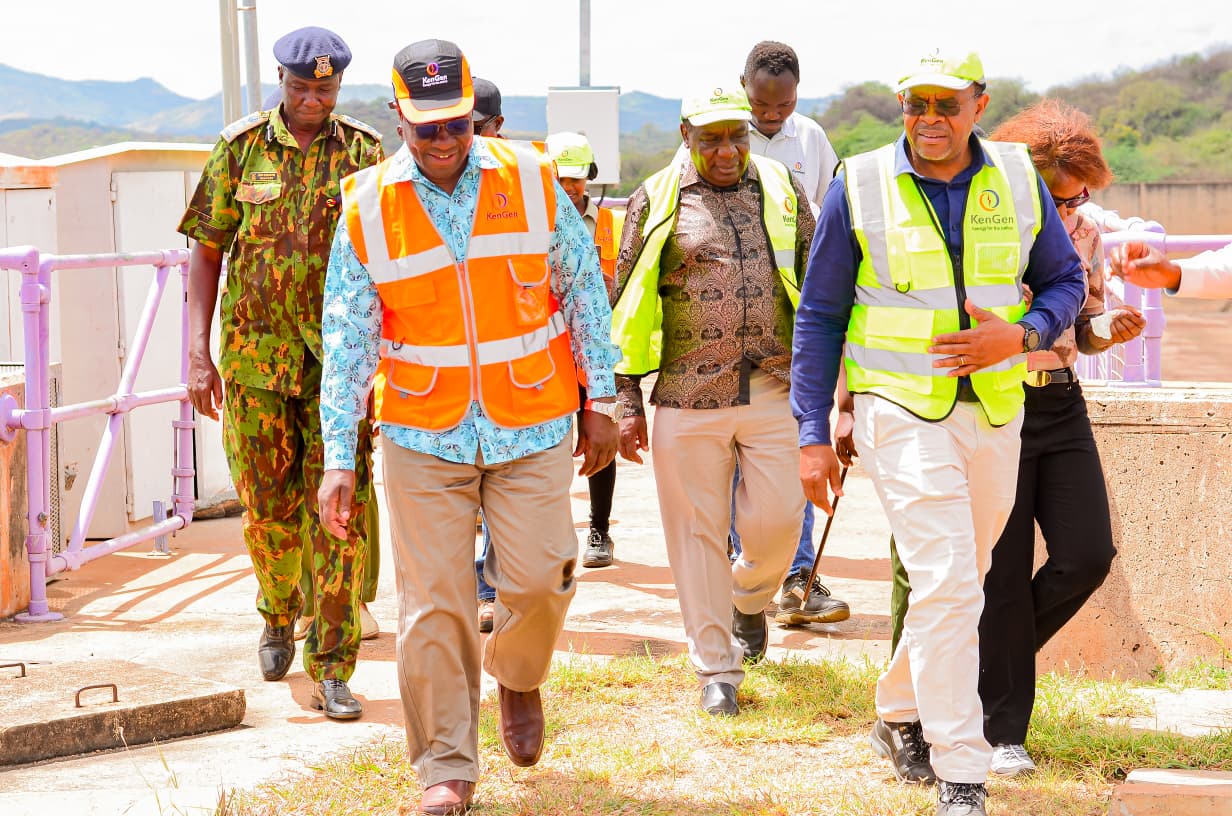
Cabinet Secretary for Energy and Petroleum James Wandayi strode onto the rugged terrain of the proposed High Grand Falls Hydropower site, accompanied by KenGen Board Chairman Alfred Agoi and Managing Director Eng. Peter Njenga, igniting fresh momentum for this massive powerhouse in Kenya’s eastern frontier. Far from a photo-op, the tour encompassed the vital Seven Forks Cascade, where Masinga Dam’s water level stood firm—shy of its maximum yet comfortably above the minimum despite subpar catchment rains. This snapshot revealed KenGen’s prowess in resource stewardship, ensuring all cascade plants—from Kamburu and Gitaru to Kindaruma, Thika, and Kihansi—remain structurally robust and optimally feeding the grid, a lifeline amid Kenya’s volatile weather patterns.
At its core, High Grand Falls transcends power generation; it pledges a dual legacy of expanded clean electricity and fortified flood defenses for the Tana Basin, cradling communities in Embu, Meru, Kitui, and Tharaka-Nithi counties. Njenga dubbed it a “strategic national investment,” expressing gratitude for governmental faith in KenGen, fresh off a substantial profit fueled by renewable optimizations and electricity demand cresting at record peaks. Wandayi praised this professionalism, spotlighting hydropower’s role as Kenya’s most economical source—far cheaper than thermal alternatives—stabilizing tariffs even as recent Long Rains faltered.
Integrated into KenGen’s diverse portfolio, including geothermal from Olkaria, wind from Lake Turkana, and agile thermal units that averted grid collapse in past droughts, the project dovetails with the Bottom-Up Economic Transformation Agenda’s clean energy universality and Vision 2030’s infrastructure thrust.
Economically, the multipliers are staggering. Kenya’s electricity hunger grows steadily each year, propelled by manufacturing’s rising GDP share and urbanization—envision Naivasha’s special economic zones assembling electric vehicles or Athi River’s steel mills firing nonstop. High Grand Falls’ output, rivaling Seven Forks’ aggregate, could offset looming shortfalls, curbing reliance on costly imports or diesel that inflate household bills.
 ADVERT
Flood control amplifies this: the Tana’s biblical rampages have displaced thousands and razed crops and livestock; a regulated reservoir here could modulate peaks, securing the basin’s substantial national maize output and fisheries. Jobs cascade too—direct roles in construction and operations, plus indirect supply chain positions—targeting youth and women hires, mirroring Turkana Wind’s model that empowered locals and birthed women-led turbine maintenance cooperatives.
Community infusion runs deeper. KenGen’s equity frameworks, piloted at Olkaria where Maasai trusts earn steady revenue, promise Tharaka locals shares to fund schools and clinics. This counters historical oversights, like the Masinga displacements that left families adrift without redress.
Funding contours emerge from KenGen’s disclosures: a blend of AfDB climate-resilient loans, green bonds via NSE, and potential Exim Bank tech transfers—echoing Ethiopia’s GERD, which has slashed import dependence despite upstream tensions. Transparency mandates, enforced by PPRA, will sideline graft ghosts from stalled projects like Arror and Kimwarer.
No endeavor this ambitious sidesteps pitfalls, demanding vigilant safeguards. Ecologically, the upper Tana harbors endangered fish and bird species in riparian belts; NEMA-mandated environmental impact assessments must model siltation and eutrophication, incorporating fish ladders like those at Gitaru. Seismic hazards near the Kenya Dome necessitate robust retrofits, learning from recent quakes.
Resettlement for affected communities must echo best practices, with transparent compensation and equity stakes to preempt displacements that scarred efforts like Sondu Miriu—unlike Zambia’s Kafue Gorge, which offered land swaps and skills training. Climate imperatives loom largest: Kenya Met Department projections forecast rainfall swings, with inflow drops to Tana catchments; adaptive designs like variable spillways and solar-hybrid integration are essential, preserving hydro’s dominance over intermittent solar.
Governance elevates this from blueprint to beacon. Wandayi’s ODM–Kenya Kwanza bridge exemplifies coalition fruitfulness, outshining partisan stalls on projects like Lamu Port. Amid looming elections, it burnishes delivery credentials, contrasting earlier hydro stagnancy. KenGen’s metrics dazzle: top geothermal uptime, Seven Forks availability enabling tariff relief.
EPRA’s renewable purchase mandates and EACC’s tender audits are pivotal; replicate here, and High Falls seeds a hydro renaissance on Athi or Mara rivers, fueling AfCFTA exports—Kenya’s manufacturing edge awaits green power.
Envision the vista: blackouts banished from urban slums, rural polytechnics training hydro technicians, factories shipping AfCFTA-compliant goods across the continent. High Grand Falls embodies resilience—a Tana-forged sword against fragility, honoring post-independence pioneers like Kindaruma’s debut that lit rural dawn. Wandayi, Njenga, and Agoi have primed the waters; Kenya, harness this torrent to dominion.
James Bwire Kilonzo is a Media and Communication Practitioner.


