
 ADVERTISEMENT
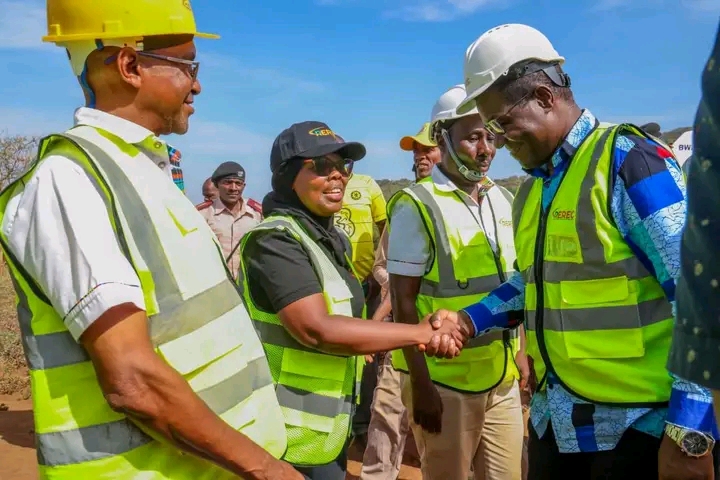
 Cabinet secretary of Energy and petroleum James Wandayi, accompanied by Governor Andrew Mwadime, Woman Representative Hon. Lydia Haika Mizighi, and Taveta Constituency MP Hon. John Okano Bwire, launched and commissioned transformative Last Mile Connectivity and Rural Electrification Projects in Taita Taveta County last week.
In the sun-baked expanses where Mount Kilimanjaro’s shadow looms as both inspiration and reminder of untapped potential, they descended upon Grogan and Mata villages in Mata Ward, Majengo Village in Matoo Ward, and Lotima Village in Mbogoni Ward. Amid cheers from communities long consigned to the darkness of neglect, this wasn’t mere ribbon-cutting; it was a defiant torching of the old Kenya, where rural dreams dimmed under kerosene lamps, replaced by the steady hum of progress under #PoweringTheNewKenya. Wandayi’s hands-on visit signals not just wires strung across dusty paths, but a national vow to stitch underserved hearts back into the grid of opportunity, embodying the government’s resolve to extend universal connectivity to rural frontiers.
Consider the human stakes in these forgotten corners. Grogan and Mata villages, cradled in Mata Ward’s rugged embrace, have for decades embodied the cruel irony of a coastal county starved of its own promise—proximity to ports and trade routes, yet paralyzed by powerlessness. Families huddled around smoky lanterns, children poring over homework by fading flames, while small businesses choked on diesel generators’ unreliability. Majengo in Matoo Ward and Lotima in Mbogoni echo tales of resilience amid abandonment: farmers eyeing irrigation pumps to double yields, artisans dreaming of night-lit workshops, youth aspiring to digital hustles in an offline world. Wandayi’s projects shatter this cycle, extending the national grid’s lifeblood directly to doorsteps. Last Mile Connectivity is the final sprint to universal access, a hammer blow against the 30% of Kenyans still navigating literal darkness, per Energy and Petroleum Regulatory Authority reports. Paired with rural electrification, it ignites economies—refrigerated fish from Taveta markets reaching Nairobi intact, cottage industries crafting for global e-commerce. This alchemy turns blackouts into beacons of policy meeting people.
What elevates this from routine rollout to triumph is unyielding resolve. Kenya’s energy saga—Vision 2030 blueprints gathering dust amid corruption and inertia—left rural folk cold, Taita Taveta acutely so with its mineral-rich soils and border position promising moonlit nights unrealized. Wandayi infuses national policy with grassroots authenticity, boots-on-ground contrasting predecessors’ air-conditioned selfies. Unity with Mwadime’s zeal, Mizighi’s women-youth advocacy, and Bwire’s pulse ensures longevity—a devolved masterclass accelerating Kenya. #PoweringTheNewKenya manifests President Ruto’s bottom-up model, prioritizing hustlers over elites.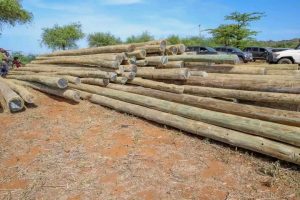
Skeptics cite fizzling projects—rusting transformers, unpaid meters—but Wandayi’s blueprint counters with smart metering against theft, MP-led sensitization for ownership, and solar hybrids for drought-prone resilience. In Taita Taveta, power fuels boreholes, e-learning schools, round-the-clock clinics. Kenya Power data shows 30% income boosts via extended hours and ventures; envision Lotima women powering tailors or phone-charging hubs, birthing female-led booms. Mizighi’s lens ensures homes light and half of Kenya empowers. Energy is ambition’s oxygen, equalizing urban dazzle and rural stumble.
This milestone ripples, confronting energy apartheid toward 2030’s 100% goal. Vigilance demands sustained funding, grid protection, northern scaling. Will must outlast elections; geothermal partnerships amplify. Taita Taveta’s glow heralds a New Kenya—no village too remote. Grogan’s lights pierce as promise kept, despair rebuked. #PoweringTheNewKenya hums in Mata—dare us to sustain the current.

James’ Bwire Kilonzo is a Media and Communication Practitioner.


