
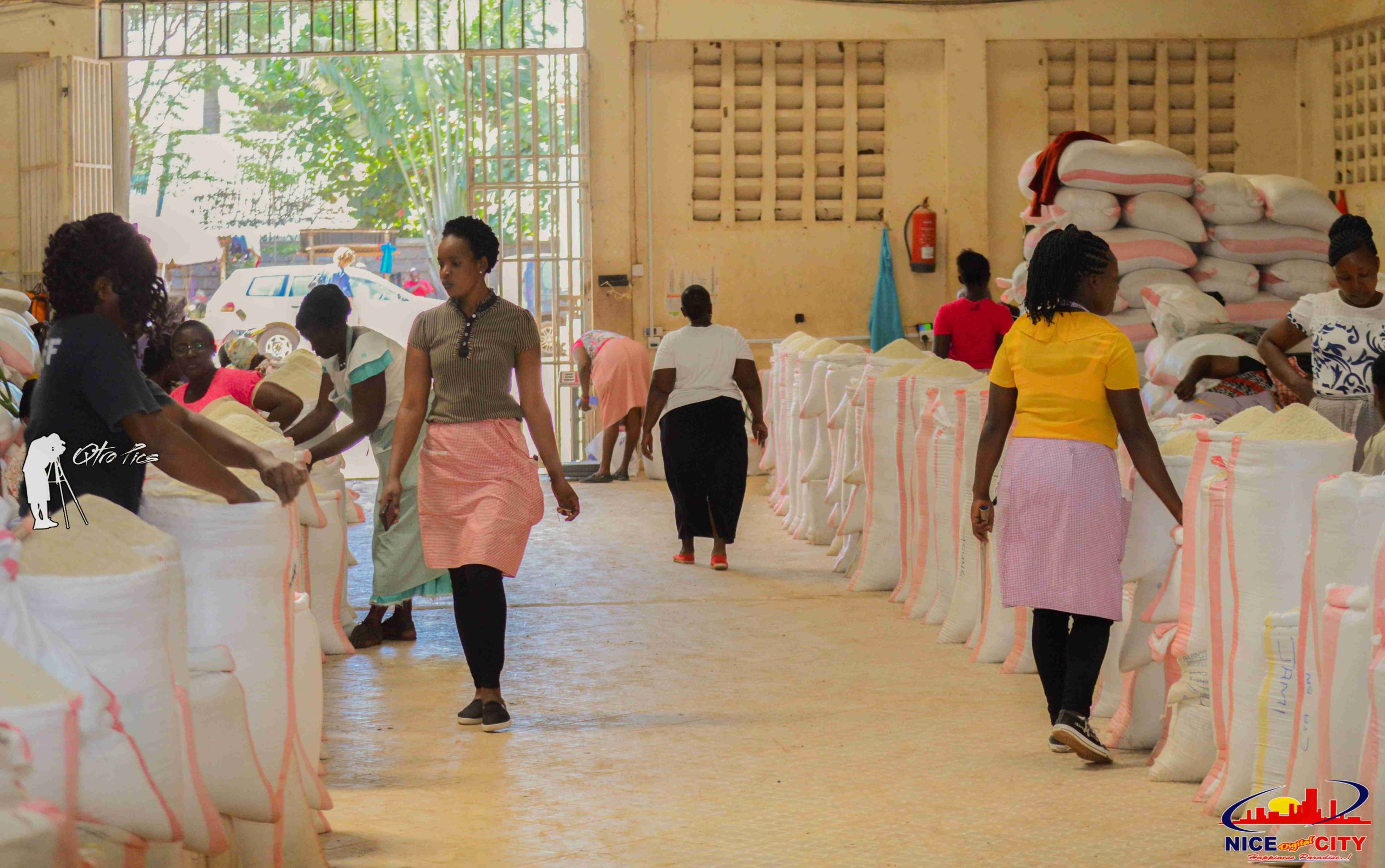
What started as a government lifeline to tame soaring rice prices has exploded into a high-stakes legal showdown, with Treasury Cabinet Secretary John Mbadi and Kenya Revenue Authority boss Humphrey Watanga accused of brazenly defying court orders.
In a bold move last July, Mbadi gazetted duty-free imports of 500,000 metric tonnes of premium Grade 1 milled white rice, set to arrive by December 31, 2025. The plan? Plug a gaping national shortfall—Kenya devours over 1 million tonnes annually but produces just a fraction—and shield consumers from food inflation.
But local farmers, especially in the rice heartland of Mwea, hit back hard. They argued warehouses groaned with unsold local stocks from bumper harvests, and cheap foreign rice—mostly from India and Pakistan—would crater prices, bankrupt growers, and reward politically connected importers.
The fight landed in court fast. In August 2025, High Court Judge Edward Muriithi in Kerugoya slapped a conservatory order on the imports, freezing Mbadi’s gazette notice pending a full hearing. The Farmers Party, leading the charge, branded the policy unconstitutional, claiming it ignored public input and trampled farmers’ rights.
The court later thawed part of the plan, greenlighting 250,000 tonnes under strict judicial oversight. Yet fresh fury erupted when 55,000 tonnes—valued at a staggering Sh6 billion—slipped through customs duty-free.
Farmers cried contempt. In a new petition, they accuse Mbadi and Watanga of sneaking in a fresh gazette notice to dodge the rulings, flooding the market despite warnings. “These clearances mock the court and doom local producers,” the filings blast, demanding sanctions.

The government fires back: Blocking imports risks a full-blown food crisis, spiking prices for millions of Kenyans reliant on rice as a staple.
As contempt threats loom, the saga exposes raw tensions between protecting farmers and feeding a nation. With hearings ongoing, Mbadi’s quick-fix has morphed into a bruising legal free-for-all—one that could cost officials dearly and leave Kenya’s rice fields smoldering.


