

• Thu. Nov 12th, 2026
ADVERT

Engineer Nicholas Gumbo and the Reawakening of Kenya’s Sugar Sector

ByEditor

Jan 19, 2026
ADVERT
ADVERThttps://youtu.be/Sny2O4mVqxU?feature=shared

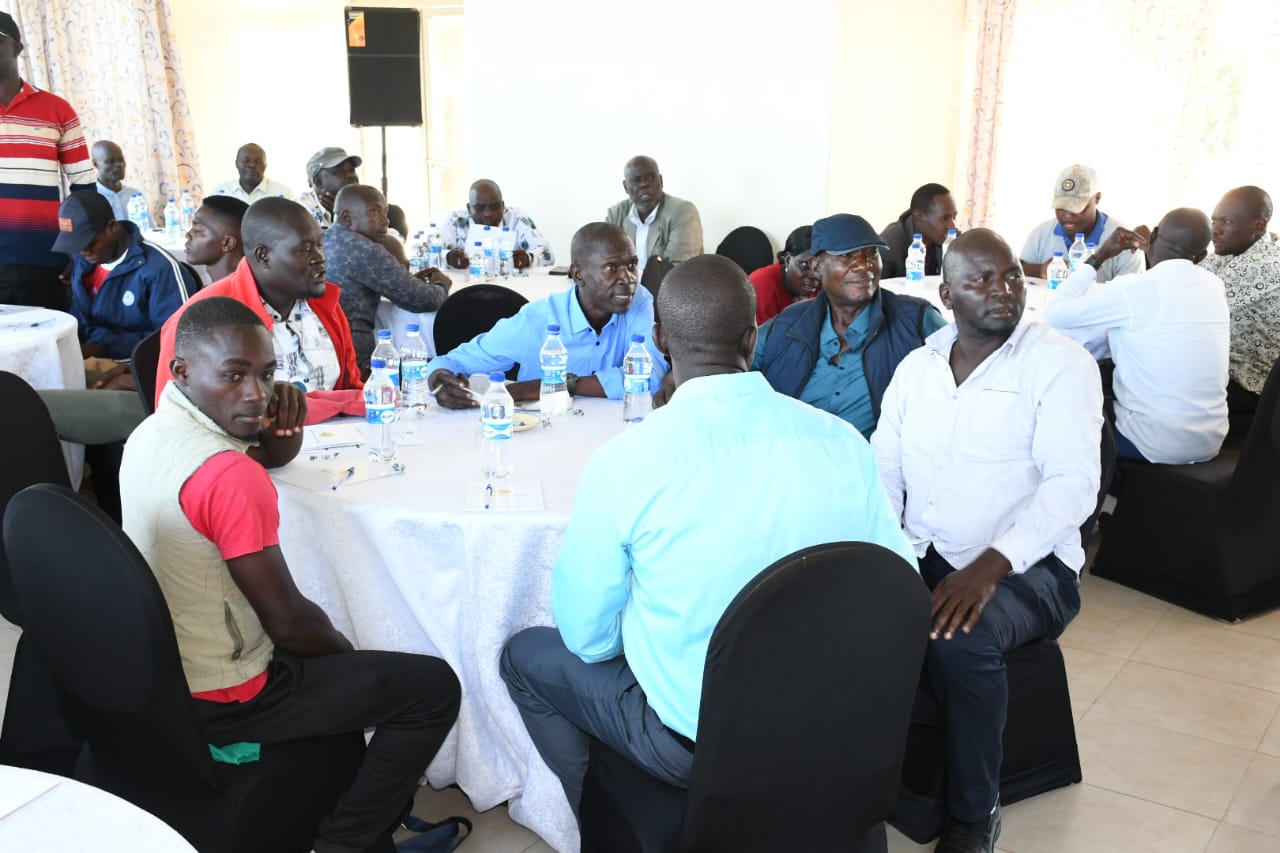
Kenya Sugar Board Chairman Engineer Nicholas Gumbo led the Board of Directors in a pivotal validation meeting of the Kenya Sugar Board Strategic Plan at the Kisumu Sunset Hotel, a gathering that transcends mere bureaucracy to ignite genuine hope for one of Kenya’s most beleaguered yet vital industries. In the heart of Nyanza, where sugarcane fields stretch like veins feeding the nation’s economy, this event stood as a masterclass in inclusive leadership orchestrated by Engineer Gumbo, whose engineering precision and political acumen were evident throughout the deliberations.

Attuned to Kenya’s political and economic undercurrents, particularly in regions such as Siaya and the wider Luo Nyanza where sugar farming underpins countless households, Engineer Gumbo’s role proved exemplary. He steered a diverse mix of stakeholders, including out-growers, millers, and unions, toward consensus on priorities, policy direction, and actionable roadmaps tailored to both immediate and long-term sector demands. For years, sugarcane farmers have endured delayed payments, exploitative miller dynamics, and declining yields caused by neglect. Engineer Gumbo’s hands-on approach signals a refreshing departure, demonstrating leadership that delivers results despite entrenched challenges such as smuggling and climate shocks.

His commendable performance was most visible in transforming the validation process into a farmer-first forum. Engineer Gumbo personally moderated intensive sessions that absorbed detailed input from smallholders, cooperative leaders, and factory unions, ensuring no voice was sidelined during spirited debates on cane pricing and sector reforms. His engineering background, refined through decades overseeing infrastructure projects such as irrigation and water systems, equips him to interrogate complex supply chains with clarity. This expertise was evident when he championed data-driven adjustments to pricing mechanisms aimed at ensuring fair farmer returns aligned with global market realities.

This leadership extended beyond boardroom oversight. Engineer Gumbo actively facilitated working groups focused on extension services and productivity improvements, advocating for technology-driven solutions such as field monitoring, optimized planting schedules, and modern soil management tools delivered through enhanced extension networks. He commendably bridged long-standing divisions between millers and growers, forging consensus around prompt payment commitments that had eluded previous administrations. In Kisumu, his calm yet resolute demeanor diffused tensions surrounding imports, redirecting attention toward domestic revival and long-term self-reliance, a diplomatic achievement reflecting his experience in national leadership.

The farmer-centered benefits embedded in the strategic plan bear Engineer Gumbo’s unmistakable imprint. Improved pricing structures, digitized payment systems, strengthened extension services, and productivity gains through improved seed varieties all reflect his insistence on equity in an industry where smallholders produce the bulk of cane yet reap minimal value. His foresight also extends to broader sector pillars, including strengthened governance through digital audits, sustainability initiatives such as green cane certification, and enhanced competitiveness through value addition hubs envisioned across sugar-belt counties.

ADVERT

Engineer Gumbo’s technical depth is particularly evident in his advocacy for energy generation from mill by-products, leveraging his experience with biomass and renewable energy projects. This approach promises to lower operational costs, enhance environmental sustainability, and align the sugar sector with national green growth goals. His leadership also shines in risk mitigation, addressing climate vulnerability through resilient crop varieties and irrigation frameworks informed by his infrastructure legacy. This is policy engineered with precision, connecting national objectives to devolved implementation while empowering counties and farming communities alike.

While skeptics may point to past disappointments in the sector, Engineer Gumbo’s track record offers a compelling rebuttal. His earlier leadership roles were marked by community empowerment initiatives that now find scale within the sugar industry through skills development and emerging technologies. During the validation process, he held millers to account through structured performance commitments while simultaneously engaging national institutions to secure sector support. His decision to anchor the process in Kisumu reinforced decentralization, fostering regional ownership and countering perceptions of centralized bias.
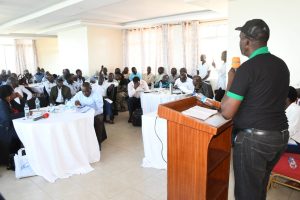
Inclusivity remains a defining feature of his leadership. Engineer Gumbo deliberately amplified marginalized voices, including women-led cooperatives and youth participants, embedding equity into extension services and empowerment frameworks. His embrace of digital tools that enhance transparency and access to information empowers farmers with real-time insights previously inaccessible to them, shifting power dynamics in favor of producers.

Regionally, the implications of this leadership are far-reaching. Stabilized farmer incomes promise to reduce rural poverty, while expanded value chains create employment and strengthen local economies. Nationally, the strategic direction aligns seamlessly with broader agro-processing and energy transformation agendas, positioning sugar as a renewed contributor to economic growth. Engineer Gumbo’s blend of determination and diplomacy, from feasibility studies to consensus-building under pressure, evokes the spirit of transformative leadership that reshapes industries.

As Kenya navigates persistent economic and global trade challenges, Engineer Nicholas Gumbo’s stewardship at the Kenya Sugar Board stands as a model of effective governance rooted in precision, inclusivity, and purpose. The task ahead is collective: farmers, millers, and policymakers must build upon this momentum and convert vision into sustained progress. The sugar belt has waited long for decisive leadership, and under Engineer Gumbo, a credible path forward has been firmly laid.

James Kilonzo Bwire is a Media and Communication Practitioner.


Safaricom Appoints Boniface Mungania Chief Financial Services Officer In Major Leadership Move
Ne-Yo Lights Up Nairobi as Stanbic Bank’s Mashujaa Day Concert Draws 3,500 Fans Grammy-winning R&B superstar headlines ‘One Night Only: Brunch Edition’ at Ulinzi Sports Complex as Stanbic Bank backs Kenya’s creative economy and local enterprise NAIROBI, October 21, 2026 — Nairobi’s entertainment scene came alive on Mashujaa Day as approximately 3,500 music fans gathered at Ulinzi Sports Complex for One Night Only: Brunch Edition with Ne-Yo, a premium live-music experience title-sponsored by Stanbic Bank. The concert, held on Tuesday, October 20, delivered an afternoon of live performances, music and networking, bringing together Kenyan and international talent for a celebration that blended world-class entertainment with opportunities for the country’s growing creative economy. Performances began at 3:30 pm and concluded shortly after 8:00 pm, maintaining the event’s signature daytime brunch format while giving fans an opportunity to experience some of the biggest names on the lineup before nightfall. Kenyan musician Mutoriah opened the show with an energetic set, setting the pace for the afternoon. UK-based band Sol and the Gang followed with a vibrant performance before three-time Grammy Award-winning American R&B star Ne-Yo took centre stage to close the concert in style. Top Kenyan DJs kept the predominantly millennial audience entertained throughout the event, sustaining the energy between performances and reinforcing Nairobi’s growing appetite for curated, premium music experiences. Stanbic Bank puts creative economy in the spotlight Beyond the music, the concert highlighted the commercial opportunities generated by Kenya’s live-entertainment industry, with Stanbic Bank positioning its sponsorship as an investment in the wider creative ecosystem. The production created business opportunities across multiple segments of the value chain, including artists, sound engineers, stage and technical crews, production specialists, hospitality providers, security personnel, vendors and micro- and small enterprises. For an industry that relies heavily on collaboration among creative professionals and service providers, events of this scale can stimulate local demand, support livelihoods and open new commercial opportunities for businesses operating behind the scenes. Michael Mutiga, Chief Executive of Stanbic Bank Kenya and South Sudan, said the concert demonstrated how large-scale entertainment can combine audience appeal with tangible economic activity. “Yesterday was a powerful demonstration of what happens when world-class entertainment meets meaningful local economic impact,” Mutiga said. He noted that bringing more than 3,000 fans together went beyond the performances on stage, generating business for artists, technical teams, vendors, hospitality partners and small enterprises involved in delivering the event. “Kenya’s creative sector is a dynamic driver of growth, and Stanbic Bank remains committed to strengthening this ecosystem, raising its commercial profile, and supporting the livelihoods anchored in it,” he added. Creative industry contributes 5.32% of Kenya’s GDP The sponsorship comes against the backdrop of the creative economy’s contribution to employment, enterprise development and national output. A 2021 report by the World Intellectual Property Organization (WIPO) and the Kenya Copyright Board (KECOBO) placed the creative industry’s contribution to Kenya’s gross domestic product at 5.32%, while estimating that the sector provided formal employment for approximately 195,000 people. The industry also supports livelihoods across the informal economy, including performers, independent producers, event organisers, designers, content creators, technicians and small businesses that supply goods and services to entertainment productions. Stanbic Bank’s approach underscores the potential of cultural events to serve as more than marketing platforms. By bringing together consumers, performers, businesses and corporate sponsors, such events can create opportunities for local talent, showcase production capabilities and connect home-grown enterprises to wider commercial networks. However, the long-term impact of such initiatives depends on whether the opportunities generated translate into sustained contracts, improved incomes and stronger business prospects for local players beyond individual events. Stanbic Bank celebrates premium daytime entertainment Lilian Onyach, Head of Brand and Marketing at Stanbic Bank Kenya, said the event was designed to offer clients and music enthusiasts a distinctive, world-class daytime entertainment experience. She said the turnout and audience energy reflected the vibrancy of Kenya’s entertainment market and the growing appeal of carefully curated live-music events. “We set out to offer our clients and music enthusiasts a distinctive, world-class daytime experience, and the turnout and energy yesterday proved just how vibrant Kenya’s entertainment market is,” Onyach said. She added that the afternoon schedule allowed the event to preserve its brunch atmosphere while showcasing the artistry, logistical expertise and commercial capacity of Kenya’s creative industry. The format also reflects a broader opportunity for event organisers and sponsors to diversify entertainment offerings beyond traditional late-night concerts, creating experiences that appeal to audiences seeking music, social interaction and premium hospitality in a single setting. Brand recognition reinforces Stanbic Bank’s market position The Ne-Yo concert adds to Stanbic Bank’s brand-building initiatives as the lender continues to pursue market visibility through entertainment, customer engagement and support for economic activity. The bank was recently named Overall Best Bank in Kenya at the Think Business Awards. At group level, its parent, Standard Bank Group, was ranked Africa’s Most Valuable Bank Brand by Brand Finance for the fifth consecutive year. Through sponsorships such as One Night Only, Stanbic Bank is seeking to connect its brand with experiences that attract consumers while supporting businesses and professionals in adjacent industries. As Kenya’s creative sector continues to evolve, the commercial value of live entertainment will increasingly depend on the ability of organisers, sponsors and industry players to convert audience demand into sustainable opportunities for artists, entrepreneurs and the wider workforce. At Ulinzi Sports Complex, Ne-Yo provided the headline attraction, but the broader story extended beyond the stage: a major public celebration that brought international music to Nairobi while spotlighting the economic potential of Kenya’s creative industries
BAVal Maize Flour Takes Siaya by Storm as Green Army Sets Sights on New Markets Ahead of November Launch