
 ADVERTISEMENT
 The Orange Democratic Movement stands teetering on the brink of a seismic generational rupture. What started as murmurs over party direction has exploded into open factionalism, with Nairobi Senator Edwin Sifuna emerging as the fiery champion of a restless, youth-driven insurgency.
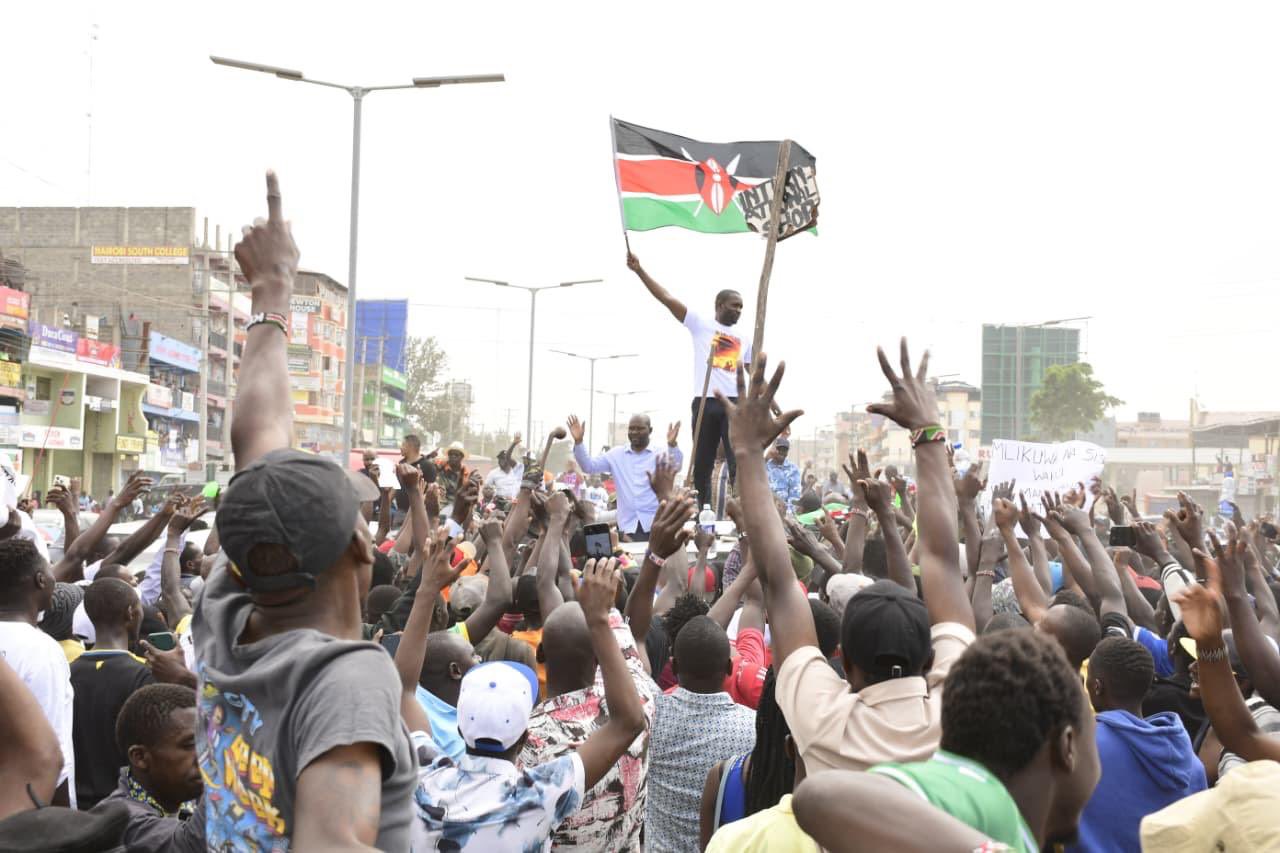
The weekend of February 15, 2026, delivered the starkest visual proof yet. In Kitengela, Kajiado County, Sifuna’s “Linda Mwananchi” rally drew massive, energized crowds—mostly young supporters—chanting defiance against perceived sellouts. Flanked by Siaya Governor James Orengo, Embakasi East MP Babu Owino, and others including Winnie Odinga and Caleb Amisi, Sifuna roared with unapologetic grassroots fire, vowing to protect ODM’s independence and opposition soul. The event turned chaotic when police lobbed teargas, dispersing the crowd and underscoring the high stakes.
The Standard captured the mood bluntly: “Sifuna roars in Kitengela”—a headline that echoed the commanding, insurgent energy on display.
Hundreds of kilometers away at Tononoka grounds in Mombasa, the rival faction led by ODM Party Leader Oburu Oginga held its own gathering under the “Linda Ground” banner. The tone was measured, institutional—focused on continuity, broad-based engagement, and defending recent NEC decisions. Yet reports noted a more subdued turnout and even moments of heckling, painting a picture of establishment caution rather than revolutionary momentum.
Political observers called the contrast glaring: Kitengela pulsed with raw, youthful impatience; the Coast event projected controlled pragmatism. One ODM insider summed it up: “The base is signaling it’s tired of the old script.”
Is the “Sifuna wave” structurally solid? Undeniably, the senator has harnessed sharp media savvy, generational appeals, and a fierce defense of ODM’s core opposition identity. Attempts to sideline him—highlighted by his ouster as Secretary-General in early February 2026, later temporarily blocked by the Political Parties Disputes Tribunal—have only amplified his rallying cry. He insists he remains SG and vows to fight on.

But party veterans warn that real power still rests in delegates, regional barons, and formal organs—not rally optics alone. Momentum? Yes. Full institutional control? Not yet.
Whispers of shadowy alliances add fuel. Oburu’s camp has accused Sifuna of covert ties to former Deputy President Rigathi Gachagua’s “Wamunyoro” network, claiming his hardline stance indirectly aids Gachagua’s national maneuvers. Sifuna has dismissed such links as baseless, framing his push purely as ideological defense of ODM’s autonomy. No concrete evidence—documents or finances—has surfaced, leaving the “Wamunyoro question” as potent speculation rather than proven fact.
Orengo’s high-profile alignment with Sifuna in Kitengela has turbocharged succession chatter. The veteran Siaya Governor brings liberation-era credibility and intellectual weight, while Sifuna delivers street-level energy and messaging punch. Insiders see a symbiotic pact—for now. ODM’s history, however, is littered with alliances that fracture when the arithmetic of power sharpens.
Oburu’s wing remains quietly formidable. Party structures, nomination machinery, and regional strongholds still tilt toward the pragmatic establishment. The Coast rally, though restrained, reaffirmed institutional heft—far from a spent force.
Funding rumors swirl too. Some claim former President Uhuru Kenyatta is bankrolling the Sifuna push to destabilize ODM—allegations leveled by figures like Kakamega Deputy Governor Ayub Savula and echoed by Junet Mohamed and Gladys Wanga. Sifuna’s camp denies external sponsorship, pointing out parallel funding streams for rallies exceed official party coffers. Verifiable trails? None public. The claims generate heat, but little concrete light.
At its core, ODM grapples with its post-Raila identity. An energized youthful flank clashes with a cautious institutional center, while veteran brokers position quietly. The party’s future hinges not on weekend theatrics, but on delegate math in formal organs.
Sifuna has seized the narrative and the streets, turning personal peril into public momentum. Yet ODM’s storied tradition of managed transitions reminds us: the spotlight rarely equals the steering wheel.
For now, the party stands precisely where those dueling rallies left it—at a crossroads. The center of gravity is shifting visibly toward Sifuna’s defiant hour, but it has not yet fully relocated. The battle for ODM’s soul—and Kenya’s opposition future—is far from over.


