
 ADVERTISEMENT
 In a stunning breach that has sent shockwaves through Kenya’s security apparatus, an unidentified man casually entered the heavily guarded Nyayo House, ascended to the 20th floor, and spent almost five hours inside the private office of Interior Cabinet Secretary Kipchumba Murkomen. He tampered with items, interfered with computers, and then strolled out undetected— all without triggering a single alarm or intervention from security personnel.
The incident, which occurred on the night of January 10-11, 2026, has raised profound questions about the state of security at one of Kenya’s most sensitive government buildings. Nyayo House, headquarters to the Ministry of Interior and National Administration—the very institution responsible for overseeing national security, police operations, and immigration—prides itself on multi-layered safeguards, including CCTV surveillance, access controls, and armed guards. Yet, this lone individual navigated these defenses with apparent ease, highlighting vulnerabilities that experts and citizens alike are now scrutinizing.
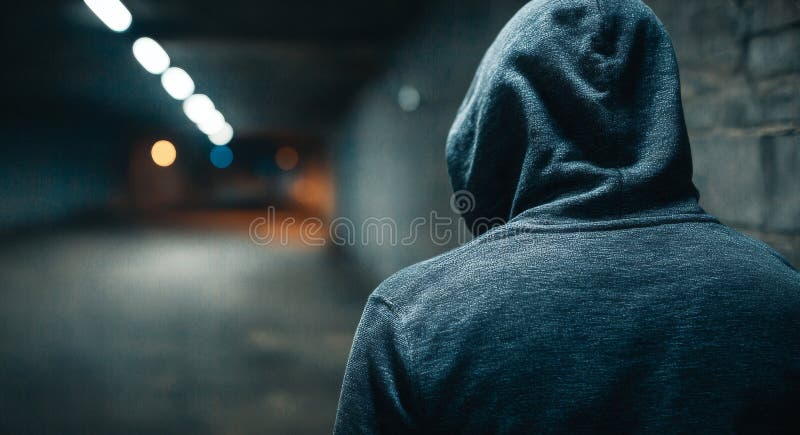
According to recovered CCTV footage reviewed by investigators, the intruder arrived at approximately 10:45 PM on January 10. Dressed in black jeans and a black cap pulled low to obscure his face, the tall figure walked into the building without challenge. He took the elevator directly to the 20th floor, entered Murkomen’s office suite, and remained inside until 3:40 AM the following morning—a total of nearly five hours.
Inside, the man left clear signs of his presence: office items were rearranged and tampered with, drawers appeared rifled through, and two desktop computers showed evidence of interference. Sources close to the investigation suggest the motive may have involved searching for sensitive information, though nothing was reported stolen.
His exit was as nonchalant as his entry. At 3:40 AM, he stepped back into the elevator, descended to the ground floor, and walked out of Nyayo House without raising suspicion.
The breach was only discovered the next morning when staff arrived and noticed the disarray. Security heads were alerted, CCTV footage was pulled, and the case was handed over to the Directorate of Criminal Investigations (DCI) and officers from Nairobi Area and Kilimani Police Stations.

Investigators point to a critical window of opportunity: Nyayo House was undergoing routine fumigation that night, starting around 9 PM and scheduled to continue until 5 AM. During this period, some security personnel were reportedly allowed to go home, and entry checks were relaxed. The intruder appears to have exploited this, blending in as if he belonged.
In response, Administration Police commanders ordered an immediate reshuffle of officers stationed at Nyayo House to “streamline security operations.” But this reactive measure has done little to quell public outrage over how such a lapse could occur in a building synonymous with state control and surveillance.
As of January 25, 2026, the intruder’s identity remains unknown. No arrests have been announced, and no public updates on the investigation have emerged from the DCI or the Ministry. Attempts to reach CS Murkomen and his communications team for comment have gone unanswered, while police spokespersons have declined to speak on record.
CCTV images circulated in media reports show a deliberate effort to conceal identity—the cap, downward gaze, and nighttime timing all suggest premeditation. Yet, in a country with advanced facial recognition tools and biometric systems at the Interior Ministry’s disposal, the failure to identify him two weeks later is puzzling.
This incident is more than an embarrassing security fail; it strikes at the heart of public trust in the institutions meant to protect Kenyans. The Ministry of Interior oversees the National Police Service, internal security policy, and critical databases on citizens. A five-hour unauthorized presence in the CS’s office raises alarming possibilities: espionage, data theft, political sabotage, or even an inside job.
Social media has erupted with incredulity and dark humor. Posts on platforms like Facebook and TikTok mock the irony—”Only in Kenya does an intruder search the Interior Minister’s office for five hours and walk out casually”—while others question if the breach was “stage-managed” for political theater. YouTube channels and news aggregators have amplified the story, with titles like “Midnight Intruder BREAKS into Murkomen’s Office” garnering rapid views.
In a nation still grappling with past scandals involving state security— from historical Nyayo House torture chambers to recent concerns over police accountability—this breach revives old fears about institutional vulnerabilities.
Two weeks on, key questions linger:
– What, if anything, was the intruder seeking on those computers?
– Why has there been no public statement from CS Murkomen, whose office was directly targeted?
– How can the ministry responsible for Kenya’s security fail so spectacularly in securing its own headquarters?
– Will the ongoing DCI probe yield transparency, or will this join the list of unresolved high-profile incidents?
Until the phantom intruder is identified and the full facts disclosed, this episode will stand as a stark reminder of the gap between Kenya’s security rhetoric and reality. The people deserve answers—not silence—from those entrusted with safeguarding the nation.
This report is based on verified reporting from major Kenyan outlets and public records as of January 25, 2026. The intruder’s identity remains unknown, and investigations are reportedly ongoing.


