 ADVERT
 ADVERT
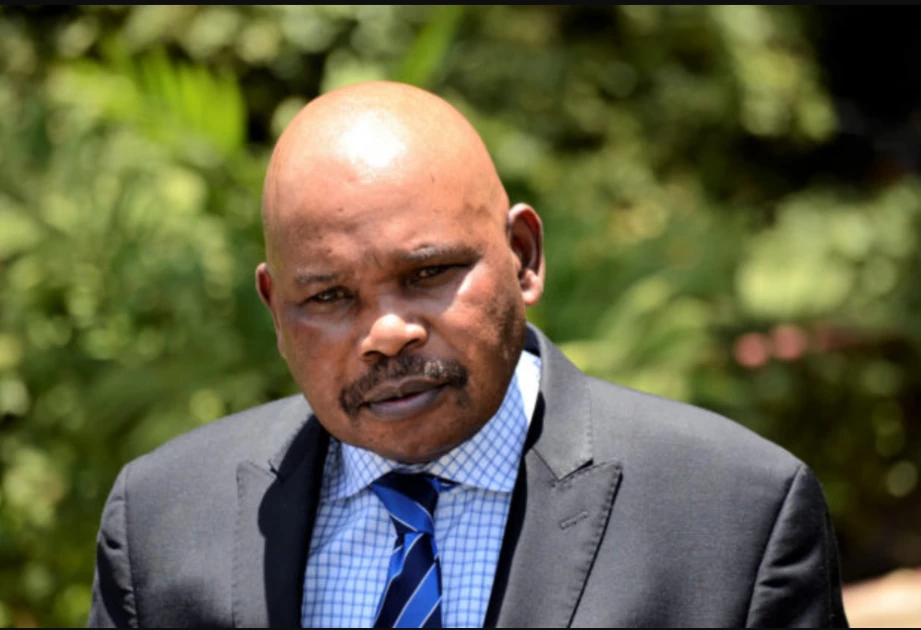
In an opinion piece in the Daily Nation, Professor Makau Mutua has portrayed Kasmuel McOure as a standout voice from Kenya’s Gen Z activism, suggesting he exhibits qualities reminiscent of the late Tom Mboya. Mutua highlighted McOure’s eloquence, charisma, and potential, urging older generations to nurture him as a promising national leader.
While the comparison reflects hope for renewed youth leadership, a closer examination of historical context and McOure’s record shows that the parallel, though flattering, warrants careful consideration. The two figures emerged in vastly different political eras with markedly different records of accomplishment.
Tom Mboya (1930–1969) was a pivotal figure in Kenya’s struggle for independence. A formidable trade unionist, intellectual, and strategist, he helped shape the Kenya African National Union (KANU), led major labor organizing efforts, and established international scholarship programs that trained hundreds of young Kenyans. His work emphasized policy development, cross-ethnic alliances, and foundational nation-building before his assassination at the age of 38. Mboya’s legacy rests on concrete institutional contributions and ideological influence during a defining period in the country’s history.
Kasmuel McOure, born in 1997, gained national prominence during the 2024 Gen Z-led protests against the Finance Bill. A Technical University of Kenya graduate with interests in finance, music, and education, McOure distinguished himself through articulate public addresses and composed appearances in formal attire amid the demonstrations. He has since become actively involved in the Orange Democratic Movement (ODM) Youth League.
Observers have noted certain similarities. Both men have displayed strong oratorical skills and an ability to engage public audiences. McOure’s measured communication style and ambition have drawn positive attention, with some viewing his entry into formal party structures as a pragmatic step toward influencing governance.
 ADVERT
Significant differences, however, stand out:
– Achievements and Scope: Mboya operated at a national and international level during Kenya’s formative years, building lasting institutions and shaping policy. McOure’s influence has been notable in the context of recent digital-era protests and youth mobilization, but his formal record primarily involves activism, media engagement, and party youth roles.
– Political Trajectory: McOure has transitioned from a visible protest figure to a committed participant in ODM structures. As of 2026, he has publicly supported the party’s position within the broad-based government, advocated for President William Ruto’s re-election in 2027, and rejected certain opposition coalitions. He has described this evolution as strategic engagement aimed at securing youth inclusion. Some former protest participants have criticized this shift, questioning its consistency with the original movement’s anti-establishment ethos.
– Historical Context: Mboya navigated colonial resistance and the immediate challenges of independence. McOure operates in a competitive multiparty democracy grappling with economic pressures, youth unemployment, and complex coalition politics.
Supporters of McOure see his path as evidence of constructive political maturation — moving from protest to participation in order to deliver tangible results for young people. Critics argue that such rapid alignment with established parties reflects a familiar pattern in Kenyan politics, where emerging voices are absorbed into existing structures, potentially diluting reform momentum.
Professor Mutua’s call to mentor young leaders addresses a genuine demographic reality: Kenya’s large youth population needs meaningful avenues for participation. At the same time, premature historical comparisons risk overlooking the need for sustained performance, policy substance, and broad-based legitimacy.
Kasmuel McOure represents one visible example of youth transitioning from street activism into formal politics following the 2024–2025 protests. His energy, communication abilities, and willingness to engage institutions are assets in a challenging political environment.
However, equating him to Tom Mboya at this juncture appears overstated. Mboya’s historical stature derives from decades of documented impact under extraordinary circumstances. McOure’s contributions and leadership potential will ultimately be judged by his actions, consistency, policy achievements, and ability to earn sustained public trust in the coming years — especially as Kenya prepares for future electoral contests.
Kenya’s political conversation benefits from both encouragement of new generations and clear-eyed assessment of their records. Rather than seeking modern replicas of past giants, a more productive approach may lie in supporting emerging leaders on the strength of their own ideas, integrity, and results. The verdict on any individual’s place in the nation’s story will be written by time and the judgment of citizens.



