 ADVERT
 ADVERT
A storm is brewing within Kenya’s public transport sector after matatu operators across several counties rejected the abrupt suspension of the nationwide strike, accusing top transport leaders of abandoning struggling operators while fuel prices remain painfully high.
Even as national officials declared an end to the industrial action following talks with President William Ruto, many matatu crews on the ground say the agreement offers little relief to an industry already gasping under soaring operational costs.
A spot check on Friday revealed dozens of matatus still parked at stages in towns including Kisii and Machakos, with operators counting heavy losses after staying off the roads for more than three days.
“Sisi hatujafurahia kwa sababu wamesitisha mgomo ilhali pesa hazifiki mfukoni gari zetu zinatumia mafuta mingi,” lamented Kisii operator Amos Nyakundi, saying the strike had been ended without addressing the real pain facing drivers and vehicle owners.
The anger is now increasingly directed at national transport leaders, whom operators accuse of striking deals with the government behind closed doors while ordinary matatu workers continue to drown in debt.
 ADVERT
“Viongozi wetu naskia wamepewa kakitu wanaskizana na serikali sisi tunabaki tumeumia,” Nyakundi claimed, reflecting growing frustration among operators who feel betrayed by their representatives.
The government announced that diesel prices would reduce by Ksh.10 per litre in June after consultations between State House and transport stakeholders. Under the revised pricing, Super Petrol will retail at Ksh.214.25, diesel at Ksh.222.86 and kerosene at Ksh.191.
But operators insist the reduction is cosmetic and incapable of lowering transport costs meaningfully.
“Shillingi kumi kushukishwa sio kitu hata kidogo,” said Kisii operator Humprey Oyugi.
In Machakos, Matatu Owners Association chairman Onesmus Kyalo warned that fares are unlikely to come down despite the government intervention.
“Kwa maoni yetu hiyo ni kidogo nauli itasalia kuwa juu,” he stated.
The standoff has now exposed widening cracks between grassroots operators and umbrella transport organisations that negotiated with the government.
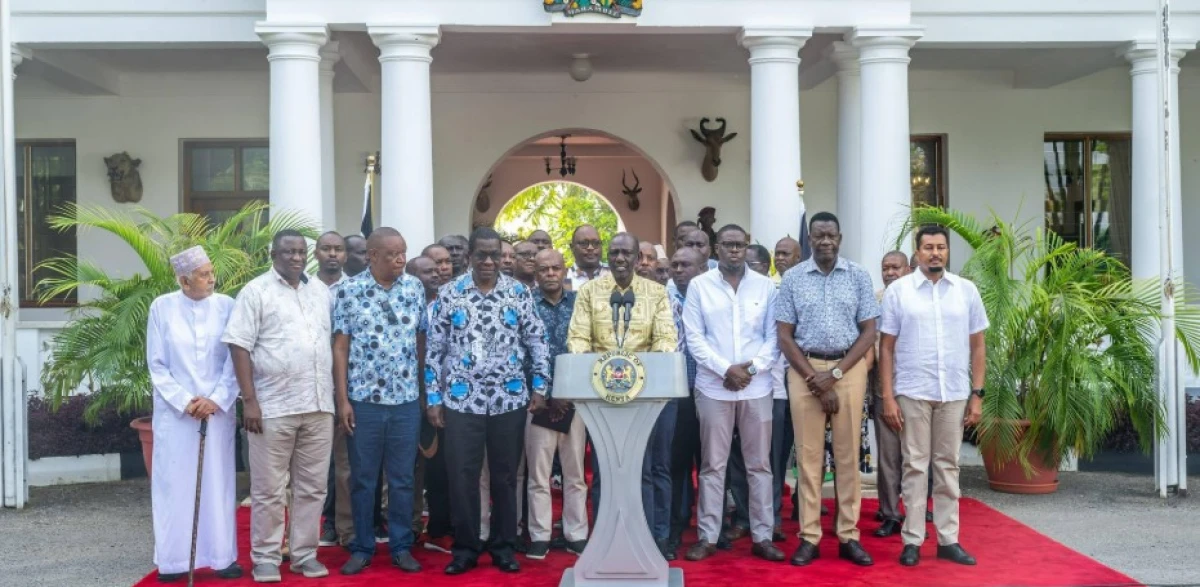
On Friday morning, leaders from the Federation of Public Transport Sector (FPTS) and the Matatu Owners Association (MOA) officially called off the strike, arguing that prolonged disruption would cripple the economy.
“I want to announce to all members that after these new deliberations we have had with the President, the strike that we had suspended has been called off fully,” said FPTS Chairperson Edwins Mukabanah.
MOA chairperson Albert Karakacha echoed the same position, insisting the sector would support the government’s new measures instead of escalating the standoff.
“We have called off the strike; we had suspended the strike but we have called it off. We will not have a strike next week; we are going to work,” Karakacha said.
Passengers, however, have also expressed disappointment, arguing that the deal fails to address the sharp increase in transport fares witnessed over recent weeks.
In several towns, commuters rejected revised fare structures introduced after the fuel hikes, leaving operators trapped between rising fuel costs and angry customers unwilling to pay more.
The fallout now threatens to deepen tensions within Kenya’s matatu industry, with many operators warning that unless fuel prices are reduced substantially, more unrest could erupt despite the official suspension of the strike.
For thousands of drivers, conductors and vehicle owners, the feeling remains that the strike may have ended — but the crisis is far from over.



