 ADVERT
 ADVERT
What was billed as a routine “meet-the-people” tour has rapidly morphed into a high-stakes political test for Movement for Democracy and Growth (MDG) party leader David Ochieng, exposing both his growing grassroots appeal and the deepening financial demands of his gubernatorial ambitions.
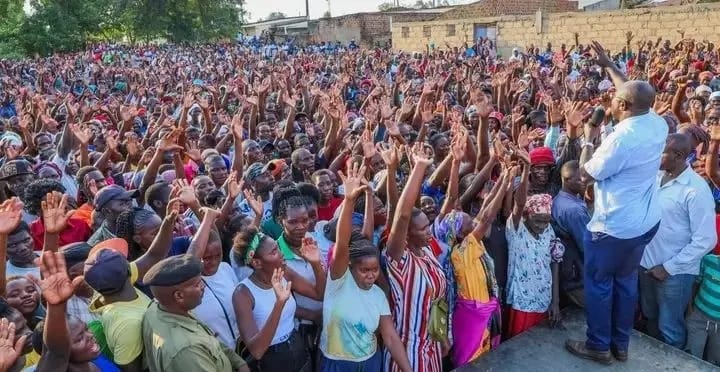
The event, held at Muhondo Grounds in Nyadorera within Usonga Ward, drew unexpectedly large crowds—far beyond what the campaign had projected. But insiders now suggest the swelling numbers may not have been entirely organic. Reports indicate that rival camps allegedly mobilized sections of the crowd, turning what should have been a controlled political engagement into a logistical and financial strain for the MDG leader.
For any candidate, optics matter—and in this case, the optics were overwhelming. Hundreds thronged Muhondo Grounds, creating the impression of surging popularity. Yet behind the scenes, the situation reportedly stretched the campaign’s resources thin, with increased demands for facilitation, transport refunds, crowd management and gonya.
Political analysts argue that such tactics—where opponents covertly inflate attendance—are increasingly being deployed to test a candidate’s organizational muscle and financial endurance. “It’s a double-edged sword,” one local observer noted. “You look popular, but you pay heavily for it.”
A Calculated Disruption?
 ADVERT
Sources within the MDG camp suspect a deliberate strategy by rivals to engineer a “friendly sabotage.” By mobilizing large numbers under the guise of support, opponents may be seeking to drain Ochieng’s campaign war chest early, forcing difficult decisions as the race for the Siaya County governorship intensifies.
The region remains politically competitive, with multiple heavyweights eyeing the seat. In such a landscape, even minor disruptions can ripple into major strategic setbacks.
Despite the turbulence, David Ochieng continues to position himself as a formidable contender—banking on his reputation as a grassroots mobilizer and his track record in Ugenya. His ability to attract crowds, whether organic or engineered, signals that his message is resonating.
However, the incident in Usonga underscores a critical reality of modern Kenyan politics: popularity must be matched with sustainability. Campaigns are no longer just about numbers—they are about managing those numbers efficiently.
As the gubernatorial race gathers momentum, the Muhondo episode may serve as an early warning for the MDG leader. The path to Siaya’s top seat is proving not only politically demanding but also financially draining.
Whether this “baptism of fire” strengthens Ochieng’s resolve or exposes vulnerabilities in his campaign machinery could ultimately shape the trajectory of his bid. For now, one thing is clear: in Siaya politics, even a crowd can come at a price.



