 ADVERT

 ADVERT
Kampala, January 13, 2026 – As Ugandans prepare to vote on Wednesday, January 15, in presidential and parliamentary elections, President Yoweri Museveni stands on the verge of a seventh term, extending a rule that began with a guerrilla victory in 1986. At 81, the veteran leader faces a familiar challenger in Bobi Wine, the 43-year-old former pop star whose youthful energy has galvanized a demographic that has known no other president.
More than three-quarters of Uganda’s population is under 40, and many view this election as a referendum on generational change. Wine, real name Robert Kyagulanyi, campaigns on unemployment, corruption and police brutality, drawing huge crowds in urban centres and slums. His National Unity Platform frames the vote as a “protest against stagnation.” Museveni, meanwhile, touts decades of relative peace, economic growth and Uganda’s role as Africa’s largest refugee host. “We have protected the gains,” he repeats, promising middle-income status through oil production, manufacturing and foreign investment.
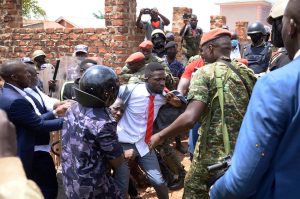
Yet the campaign has been marred by unease. United Nations human rights experts warn of a “pervasive climate of fear,” citing widespread intimidation of opposition figures, journalists and activists. Security forces have disrupted Wine’s rallies with tear gas and arrests, while veteran critic Kizza Besigye remains detained on treason charges. Amnesty International describes a “brutal campaign of repression.” Authorities deny systematic abuse, insisting measures prevent unrest, and have rejected rumours of an internet shutdown—though opposition leaders remain sceptical.
Polling day itself is expected to see heavy security deployment, particularly in Kampala and other opposition strongholds. Long queues are anticipated, with youth turnout likely to surge. International observers will monitor closely, mindful of past elections criticised for irregularities. Given the ruling National Resistance Movement’s firm control over institutions, analysts widely predict a Museveni victory, potentially with a reduced but still decisive margin.
The bigger question is what follows. A lopsided result or allegations of fraud could trigger protests, echoing the deadly unrest after the 2021 vote. Wine has vowed to challenge any irregularities legally, but his supporters’ frustration runs deep. Museveni, ever confident, has urged calm while reminding voters of stability under his watch.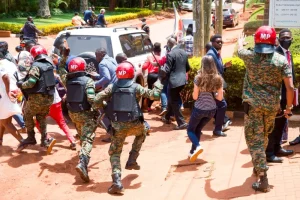
 ADVERT
Succession shadows the contest too. With First Lady Janet Museveni in cabinet and son General Muhoozi Kainerugaba heading the army—despite withdrawing his own presidential ambitions—fears of dynastic entrenchment persist.
For millions of young Ugandans, Wednesday offers a rare chance to reshape their future. For Museveni’s loyalists, it is about safeguarding hard-won progress. Whatever the outcome, the vote will test whether calls for renewal can overcome four decades of entrenched power—or whether continuity prevails once again.


