 ADVERT
 ADVERT
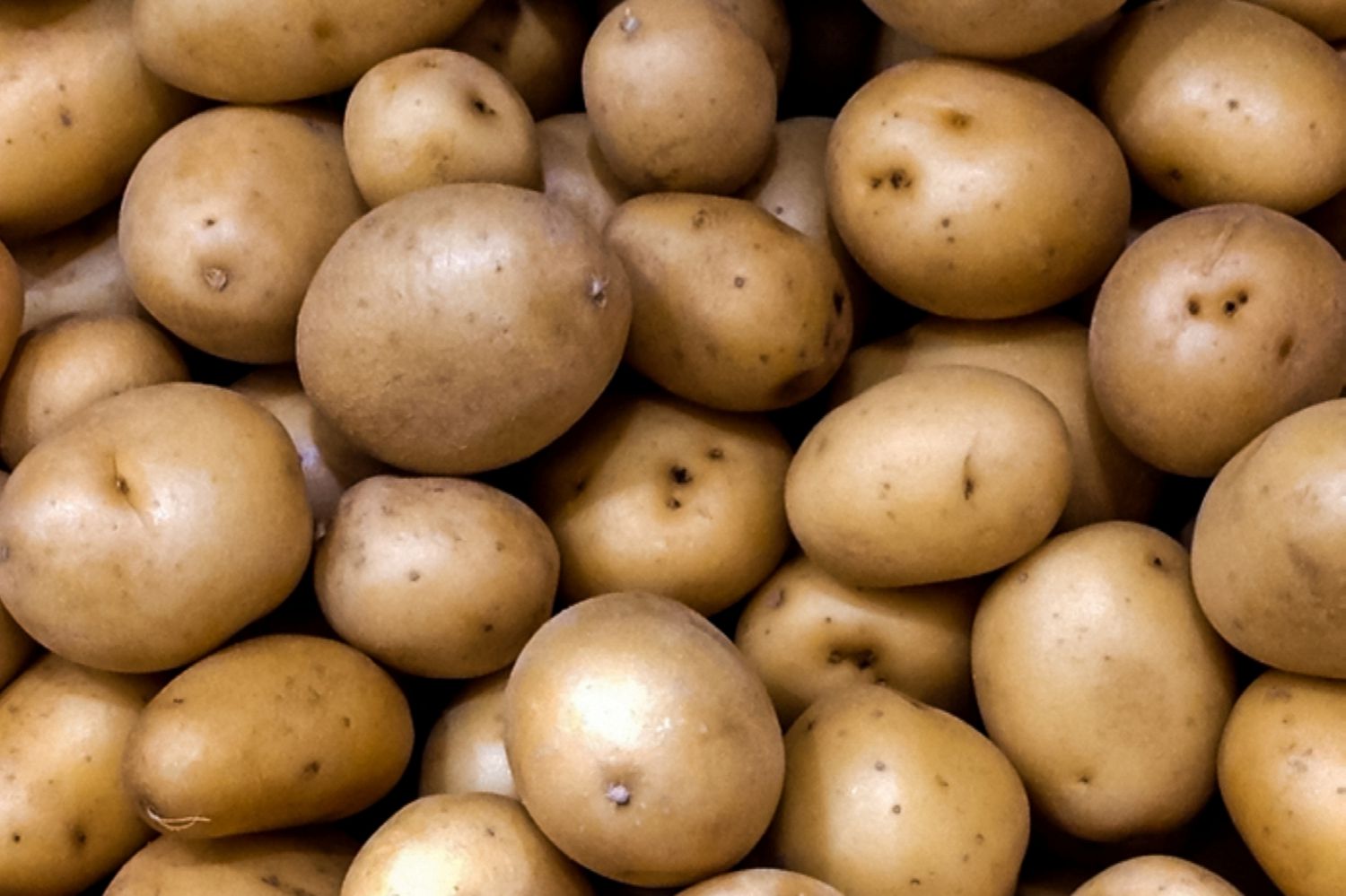
Berliners are scooping up free potatoes by the truckload as Germany grapples with one of the most bizarre agricultural crises in recent memory: a massive potato glut that’s turning bumper harvests into financial headaches.
Dubbed the “Kartoffel-Flut” (potato flood), the 2025 harvest delivered Germany’s highest yield in 25 years, clocking in at 13.4 million tonnes—over 2 million tonnes above the long-term average, according to the Federal Ministry of Food and Agriculture. Ideal weather combined with farmers in Germany, Belgium, France, and the Netherlands betting big on potatoes after previous high prices created the perfect storm of oversupply. Demand, however, tanked amid rising overseas competition and shifting consumer habits, leaving mountains of spuds in storage and prices crashing.
In Saxony, farm Osterland Agrar found itself sitting on 4,000 tonnes (about 4 million kilos or 8.8 million pounds) of unsold potatoes—enough to stack as high as Berlin’s TV Tower and feed hundreds of thousands. Rather than let them rot or divert to animal feed and biogas, the farm partnered with search engine Ecosia (which financed transport) and newspaper Berliner Morgenpost to launch “the great potato rescue.” Since mid-January 2026, trucks have rolled into the capital, distributing the surplus for free at over 170 hotspots, from food banks and soup kitchens to schools, churches, zoos, and community points.
While only a fraction—around 200-500 tonnes—has reached Berlin so far, the initiative has sparked huge public interest, with residents hauling away sacks of “magnificent tubers” to make everything from Kartoffelpuffer to hearty stews. Organizers aim to prevent waste and highlight food system absurdities, where abundance hurts producers while many struggle for affordable fresh produce.
This isn’t unique to spuds. European agriculture often swings between scarcity and surplus due to unpredictable weather, planting decisions, and global markets. A similar glut plagues dairy in Britain, while U.S. Midwest grain farmers face oversupply woes.
 ADVERT
For German potato growers, the windfall turned nightmare underscores the need for better demand forecasting and diversified outlets. In the meantime, Berlin’s streets smell faintly of earth and opportunity—one free bag at a time.


