 ADVERT
 ADVERT
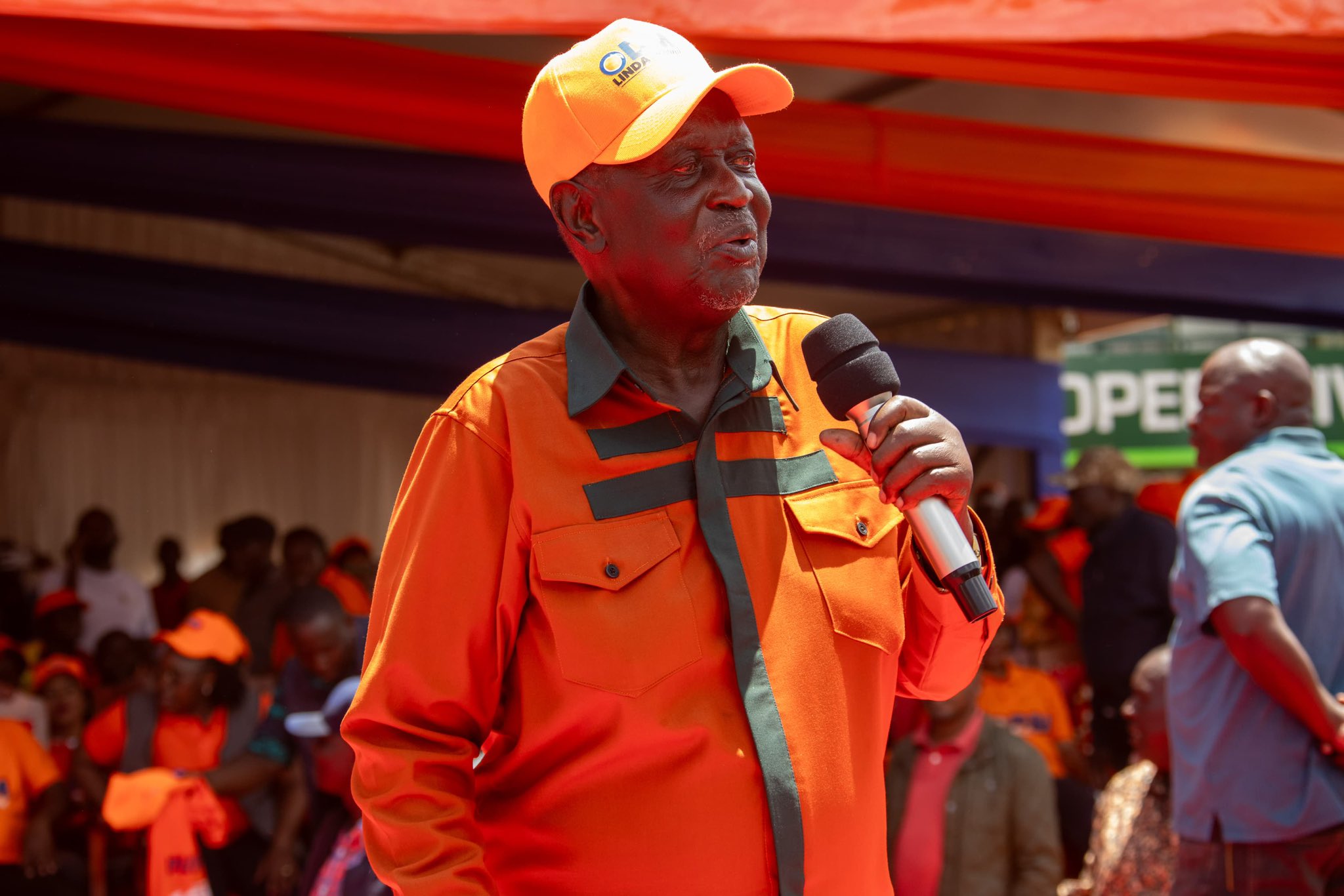
The political temperature in Kenya’s Luo heartland remains feverish in the wake of Raila Odinga’s passing last year, and nowhere is the fracture within the Orange Democratic Movement (ODM) more evident than in Siaya County. On Saturday, February 21, the party’s pro-government “Linda Ground” faction—led by ODM leader and Siaya Senator Oburu Odinga—staged a high-profile rally at Ahindi Gardens in Siaya town. Billed as a grassroots consolidation effort and a symbolic homecoming for Oburu as party leader, the event drew senior figures including Homa Bay Governor Gladys Wanga, Migori Governor Ochilo Ayacko, Energy CS Opiyo Wandayi, Mining CS Hassan Joho, Treasury CS John Mbadi, and National Assembly Minority Leader Junet Mohamed.
Mainstream reports described a vibrant gathering in orange regalia, with leaders emphasizing party unity, development, and pragmatic engagement with President William Ruto’s administration. Oburu himself used the platform to urge dissatisfied members to leave if uncomfortable with the direction, while dismissing accusations of haste in coalition talks. Gladys Wanga, as party chairperson, echoed calls for strengthening structures and preparing for 2027. Photos and live streams captured energetic crowds and speeches focused on power-sharing and legacy preservation.
Yet social media told a different story almost immediately after the event wound down. Viral video clips circulated widely, showing a moment during Wanga’s address where Oburu, seated or standing near the podium, appeared to falter—leaning forward unsteadily before aides moved in. Posts claimed the 82-year-old senator “passed out” or “collapsed,” requiring resuscitation, with some alleging cameras were deliberately shifted to conceal the incident. One widely viewed clip prompted comments expressing concern for the elder statesman’s health, while others accused rivals of spreading disinformation to undermine the faction.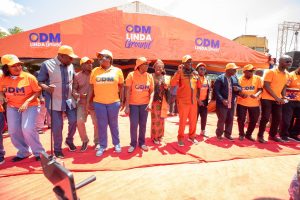
A closer examination of available footage and contemporaneous reports reveals no conclusive evidence of a full medical emergency. Oburu is seen actively participating throughout much of the rally—gesturing, speaking, and engaging the crowd. The unsteady moment appears brief, possibly a fatigue-related shift in posture amid the heat and prolonged standing, with supportive intervention from aides rather than CPR or urgent medical response. No mainstream outlet, including The Star (which published photos from the grounds), Citizen Digital, Nation Africa, or live YouTube streams, reported any collapse, evacuation, or health scare involving Oburu. Eyewitness accounts shared online remain divided: some described the senator looking tired but recovering swiftly and even addressing the crowd, while others dismissed the claims outright as factional propaganda.
This echoes earlier unsubstantiated rumors about Oburu’s health following Raila’s death, which were quickly debunked. No official statement from Oburu’s office, Wanga’s team, or ODM has addressed any incident, and the senator has remained publicly active.
 ADVERT
The real source of commotion at the rally’s tail end appears tied to underlying political friction rather than a personal health crisis. Reports and clips indicate moments of unrest: heckling of certain speakers (including one Siaya MP described as “badly booed” by sections of the crowd), brief chaos prompting bodyguards to shield Wanga during a musical interlude or defiant chants, and scattered claims of disruption by youths possibly aligned with the rival “Linda Mwananchi” camp. One account noted stones thrown as leaders departed, while others linked the tension to sharp attacks on Siaya Governor James Orengo—whose backyard the rally invaded—and endorsements of his potential challengers.
Parallel events amplified the drama. Across Western Kenya, the Linda Mwananchi faction—led by ODM Secretary-General Edwin Sifuna, Embakasi East MP Babu Owino, and Orengo—held its own charged rally in Kakamega, drawing large crowds amid tear gas incidents and injuries. The dueling gatherings underscored ODM’s deepening split: one wing pushing for broad-based government cooperation and zoning deals with UDA, the other clinging to opposition roots and vowing to reclaim the party’s soul.
Political analysts view Saturday’s incidents as symptoms of a broader malaise. In Siaya, a traditional ODM stronghold now contested terrain, every rally doubles as a legitimacy test. Infiltrators, generational frustrations, and personal loyalties fuel volatility. Low turnout allegations in some quarters clashed with factional boasts of thousands mobilized, fueling online comparisons with Kakamega’s crowds.
For the Linda Ground team, the Siaya event was framed as a success—electric energy, key endorsements, and a clear message of forward momentum. Wanga later posted gratitude for the “overwhelming love” from attendees. Yet the viral health rumors and pockets of disruption highlight how quickly narratives can shift in Kenya’s polarized digital space, where clips are weaponized to score points in the succession battle.
As ODM navigates its post-Raila identity, events like Siaya’s Linda Ground rally serve as stark reminders: unity remains fragile, rumors travel faster than facts, and every podium moment carries the weight of legacy and power. Oburu Odinga continues at the helm, with no confirmed health concerns. But in the run-up to 2027, the real resuscitation needed may be for the party itself.


