 ADVERT

 ADVERT
Nairobi and large swathes of Kenya are on high alert as the Kenya Meteorological Department warns of heavy rainfall continuing through March 9, 2026, with the most intense downpours expected to hit right now. According to the latest heavy rainfall advisory, showers exceeding 20mm in 24 hours are already soaking many regions and will intensify and peak between March 4 and 7 before easing across most areas by March 8.
The department has flagged nearly the entire country for risks of floods, flash floods, poor visibility and lightning strikes. Counties of particular concern include Turkana, Samburu, Migori, Nyamira, Bungoma, Busia, Kakamega, Vihiga, West Pokot, Baringo, Elgeyo Marakwet, Trans Nzoia, Nandi, Uasin Gishu, Nakuru, Siaya, Kisumu, Homa Bay, Kisii, Kericho, Bomet, Kiambu, Embu, Murang’a, Kirinyaga, Nyandarua, Nyeri, Laikipia, Tharaka-Nithi, Meru, Nairobi, Narok, Kajiado, Makueni, Machakos, Taita-Taveta, Kitui, Kwale, Mombasa, Tana River, Kilifi, Isiolo, Marsabit, Garissa and parts of Wajir and Mandera. Parts of the Lake Victoria Basin, Western Kenya, Central Highlands including Nairobi, the Southeastern lowlands and the Coast are set to bear the brunt longest, with heavy showers persisting until March 9.
Residents are being urged to stay vigilant because floodwaters can surge suddenly even in places that have not seen heavy rain, especially downstream. The Kenya Met has issued clear safety advice: never drive or walk through moving water or flooded roads, avoid open fields during storms, and do not shelter under trees or near grilled windows where lightning poses a deadly risk. The department has promised to issue prompt updates should conditions change.
On a more positive note, these rains signal the early arrival of the 2026 March-April-May long rains season. Western, central and highland regions, including Nairobi, the Lake Victoria Basin and areas west of the Rift Valley, have already met the official onset criteria since mid-February, with at least 20mm of rain falling over three consecutive days and no prolonged dry spells. The Kenya Met is now encouraging farmers to plant immediately and take full advantage of the favourable conditions, which have been boosted by the Madden-Julian Oscillation enhancing moisture across the country.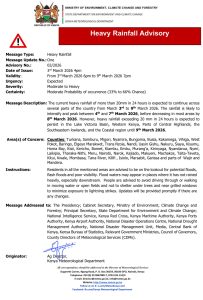
However, the department cautions that the favourable weather pattern is expected to shift from mid-March, potentially bringing drier spells later in the season. With roads already slippery and visibility dropping in places like Nairobi, this is no time to take chances. Whether commuting, farming or travelling, Kenyans are advised to keep a close eye on weather updates and stay safe as the country experiences its wettest week so far this year.
 ADVERT

