 ADVERT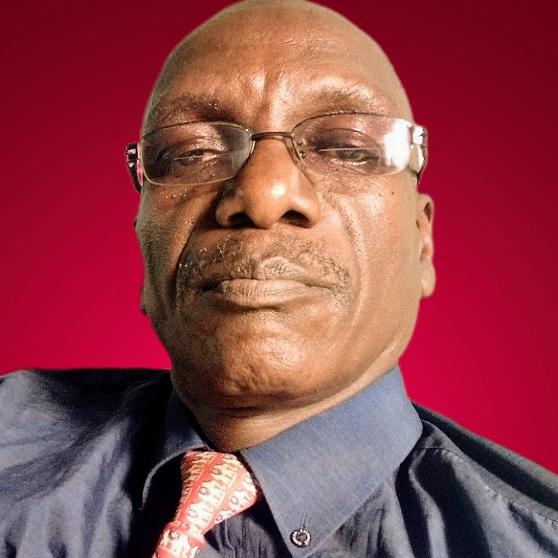

 ADVERT
Cabinet Secretary of Energy and Petroleum Opiyo Wandayi has brought a measure of clarity to Kenya’s ongoing quest for political reconciliation by affirming that the government has diligently implemented nearly all ten recommendations from the National Dialogue Committee (NADCO) report, with only the compensation for victims of election violence remaining unresolved. This candid admission cuts through the fog of partisan rhetoric that often clouds public discourse, reminding us that true leadership lies not in endless promises but in tangible action. Wandayi’s statement underscores a government committed to honoring the fragile consensus forged in the wake of the elections, where divisions ran deep and trust in institutions was tested. By highlighting achievements like the reconstitution of the Independent Electoral and Boundaries Commission (IEBC) and amendments to the Elections Act, he presents a picture of a nation steadily addressing concerns that had previously raised questions about electoral credibility. Yet, in doing so, he also identifies the one unfinished responsibility, the compensation for those affected by electoral violence, raising it from a procedural matter to a central issue of national responsibility.
At its core, Wandayi’s revelation speaks to the responsibility of government to address the consequences of electoral conflict. The NADCO process was designed to respond to tensions that followed the elections and to provide a structured path toward stability and institutional reform. Implementing most of its recommendations demonstrates a level of commitment to dialogue and agreement that often proves difficult in highly contested political environments. Establishing the IEBC was a significant step because it restores the presence of an independent institution responsible for managing elections and electoral boundaries. Amendments to the Elections Act further reinforce the legal framework governing elections by addressing gaps that previously raised concerns about transparency and accountability. Wandayi’s remarks indicate that these reforms have already been achieved. This progress shows that the government has moved beyond discussion and has acted on major institutional issues identified during the national dialogue process. For many observers, this represents an effort to strengthen democratic governance by ensuring that electoral systems operate under clearer and more reliable rules.
However, the unresolved matter of compensating victims of election violence remains a critical element of the overall process. Wandayi pointed out that this issue is now before the National Assembly, which means the responsibility for concluding this part of the NADCO report lies with the legislative arm of government. Victims of election related violence experienced personal loss and disruption, and addressing their situation is a key component of national reconciliation. Compensation in this context is not simply an administrative step. It reflects the state’s recognition that citizens suffered harm during politically charged periods and that the government has an obligation to respond. Completing this recommendation would ensure that the NADCO framework addresses both institutional reform and the human consequences of political conflict. Wandayi’s acknowledgment of this outstanding issue draws attention to the importance of ensuring that the final recommendation is treated with seriousness and urgency.
The progress described by the Cabinet Secretary also highlights how national dialogue mechanisms can produce outcomes when the recommendations are followed by concrete action. The establishment of the IEBC and the amendments to the Elections Act represent structural changes intended to strengthen public confidence in electoral processes. These measures respond to longstanding concerns raised by political actors, civil society groups, and citizens regarding how elections are managed. When these reforms are implemented, they provide a basis for improving governance and reducing disputes that arise during electoral cycles. Wandayi’s statement indicates that the executive branch has taken steps to address these recommendations. By doing so, the government signals that dialogue agreements are not merely symbolic but are capable of producing institutional change.
At the same time, the remaining issue of compensation demonstrates that political agreements must also address the experiences of individuals affected by electoral tensions. The National Assembly therefore carries a significant responsibility in ensuring that this final recommendation does not remain unresolved. Legislative action would provide the legal and financial framework necessary to support victims and close the final chapter of the NADCO report. Completing this process would demonstrate that national dialogue outcomes can translate into both institutional reforms and direct responses to citizens who were affected by election related violence.
 ADVERT
Wandayi’s remarks therefore serve as a reminder that the success of the NADCO process depends on the full implementation of its recommendations. The government has already delivered on key institutional commitments, particularly those related to electoral management and legal reforms. What remains is the completion of the final recommendation concerning compensation. Addressing this issue will require cooperation between different arms of government, particularly the National Assembly. Once this final step is taken, the NADCO report will stand as an example of how dialogue, policy reform, and legislative action can work together to address political tensions and strengthen democratic governance.
James Bwire Kilonzo is a Media and Communication Practitioner.


