 ADVERT
 ADVERT
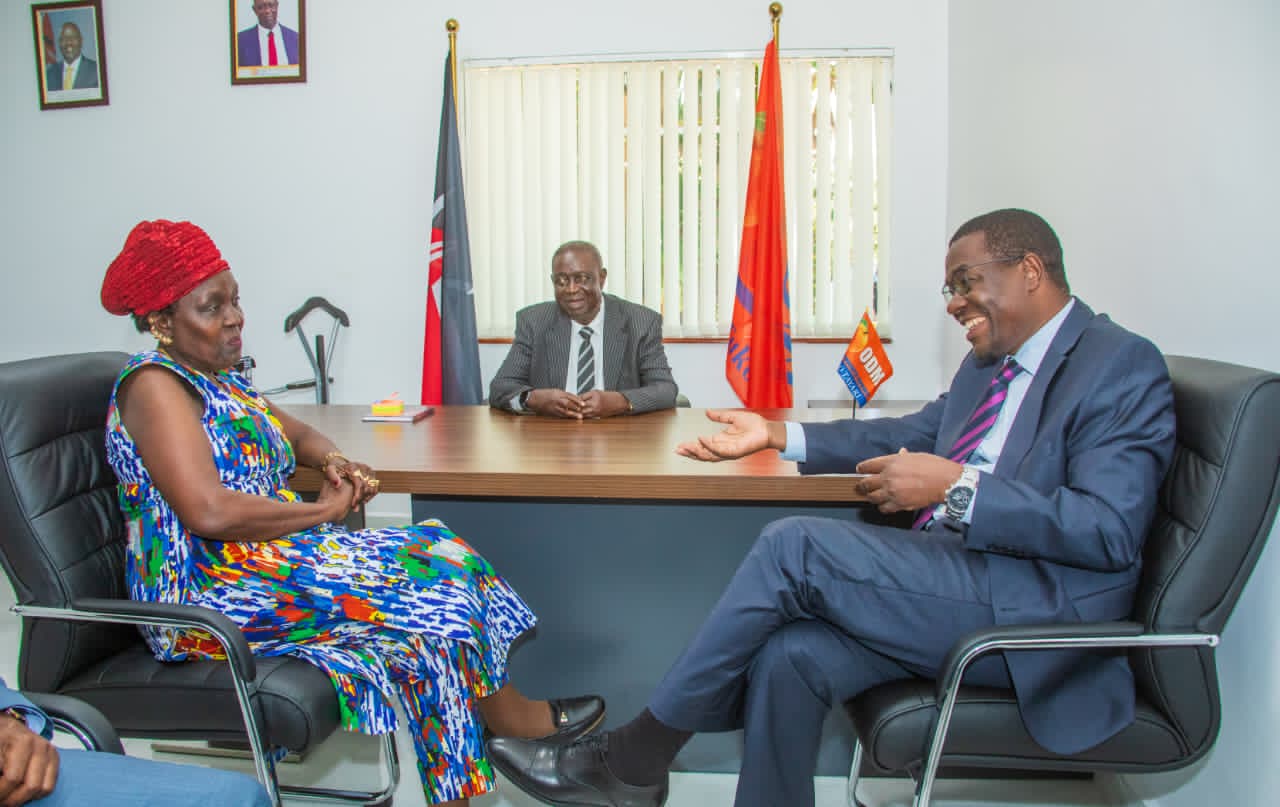
Energy and Petroleum Cabinet Secretary Opiyo Wandayi had extensive deliberations with ODM party leader Dr. Oburu Oginga and the party’s National Elections Coordinating Committee Chairperson Hon. Emily Awita, marking a deliberate step toward a pre-election coalition agreement between ODM and UDA. These discussions highlight ODM’s strategic intent to align with UDA, reflecting a broader commitment to national stability through collaborative governance. Wandayi’s involvement underscores the practical dimensions of such partnerships, bridging policy implementation with political strategy. By engaging directly with ODM’s leadership, including Oginga as a veteran figure and Awita as elections coordinator, the talks address the mechanics of coalition formation, focusing on shared objectives for the upcoming electoral cycle. This development positions ODM not as an isolated entity but as a proactive player seeking to consolidate influence through formal alliances.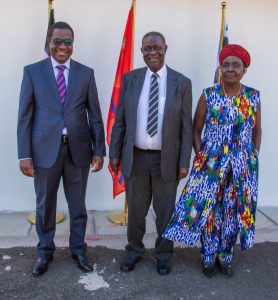
Central to these deliberations is the imminent pre-election agreement, which prioritizes mutual support in key electoral regions and policy arenas. Opiyo Wandayi’s participation signals UDA’s recognition of ODM’s organizational strengths, particularly in coordinating national elections through figures like Awita. Dr. Oburu Oginga, with his longstanding role in ODM, brings historical perspective to the negotiations, ensuring that the coalition builds on established party structures. The focus remains on delineating roles, resource allocation, and candidate endorsements to avoid overlaps that could fragment voter bases. Such an agreement would enable ODM and UDA to present a united front on governance priorities, areas where Wandayi’s expertise directly contributes. This alignment extends beyond immediate electoral gains, aiming to foster a post-election administration capable of streamlined decision-making.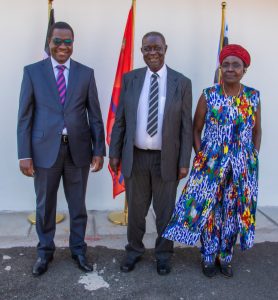
The thematic essence of these talks lies in transcending partisan divides to advance national development agendas. ODM’s engagement with UDA through Wandayi demonstrates a pragmatic approach to power-sharing, where each party’s strengths complement the other. For instance, ODM’s grassroots mobilization, coordinated by Awita’s committee, pairs effectively with UDA’s executive leverage. Dr. Oginga’s leadership ensures ideological continuity within ODM while accommodating coalition necessities. The pre-election timing of these discussions allows for structured negotiations on manifesto harmonization, preventing last-minute conflicts. Wandayi’s role as Cabinet Secretary adds credibility, linking the talks to ongoing government initiatives that require cross-party backing for sustained progress. This coalition pathway addresses voter expectations for cohesive leadership, reducing the risks associated with fragmented mandates.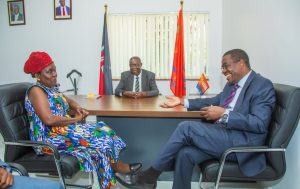
As these deliberations progress, the substance of the ODM-UDA agreement will define its longevity. Extensive talks like those involving Wandayi, Oginga, and Awita emphasize clear commitments on joint campaigning and policy execution. ODM benefits from UDA’s incumbency advantages, while UDA gains ODM’s broad regional appeal. Hon. Emily Awita’s input as elections chairperson ensures that the coalition’s electoral strategy remains robust, covering candidate selection and voter outreach protocols. Dr. Oburu Oginga’s oversight provides stability, drawing on ODM’s internal cohesion to negotiate favorable terms. Opiyo Wandayi’s presence reinforces the policy focus, demanding bipartisan support amid evolving national demands. The agreement’s success hinges on translating these talks into binding pacts that prioritize governance over rivalry.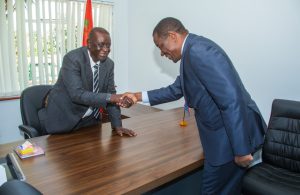
 ADVERT
This emerging coalition reflects a maturing political landscape where pre-election pacts serve as foundations for effective administration. The involvement of key figures like Wandayi bridges ministerial responsibilities with party dynamics, ensuring that policies align with electoral promises. ODM’s leadership, through Oginga and Awita, positions the party to influence national direction without sole reliance on independent contestation. The imminent agreement anticipates challenges such as seat negotiations and resource distribution, addressing them through deliberate dialogue. UDA’s openness to these talks validates ODM’s relevance, fostering a partnership that extends to parliamentary and county levels. Overall, these deliberations advance a vision of unified governance, where coalition mechanics support developmental continuity.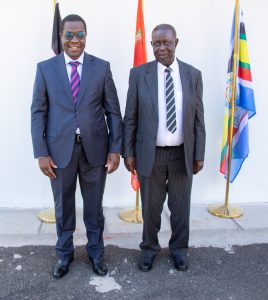
In conclusion, the extensive discussions between Opiyo Wandayi, Dr. Oburu Oginga, and Hon. Emily Awita propel ODM and UDA toward a pre-election coalition that prioritizes strategic collaboration. This process underscores the value of early alignment in securing electoral mandates and implementing policies effectively. Wandayi’s contributions highlight the intersection of government service and political strategy, while Oginga and Awita anchor ODM’s operational readiness. This agreement promises a framework for joint leadership, centered on national priorities in elections and beyond. Kenya’s political evolution benefits from such initiatives, paving the way for stable, purpose-driven governance.
James’ Kilonzo Bwire is a Media and Communication Practitioner.


