 ADVERT
 ADVERT
Thousands of teachers across Kenya are set to breathe easier after the government unveiled sweeping reforms to their medical scheme, promising an end to out-of-pocket hospital payments and a return to seamless healthcare access.
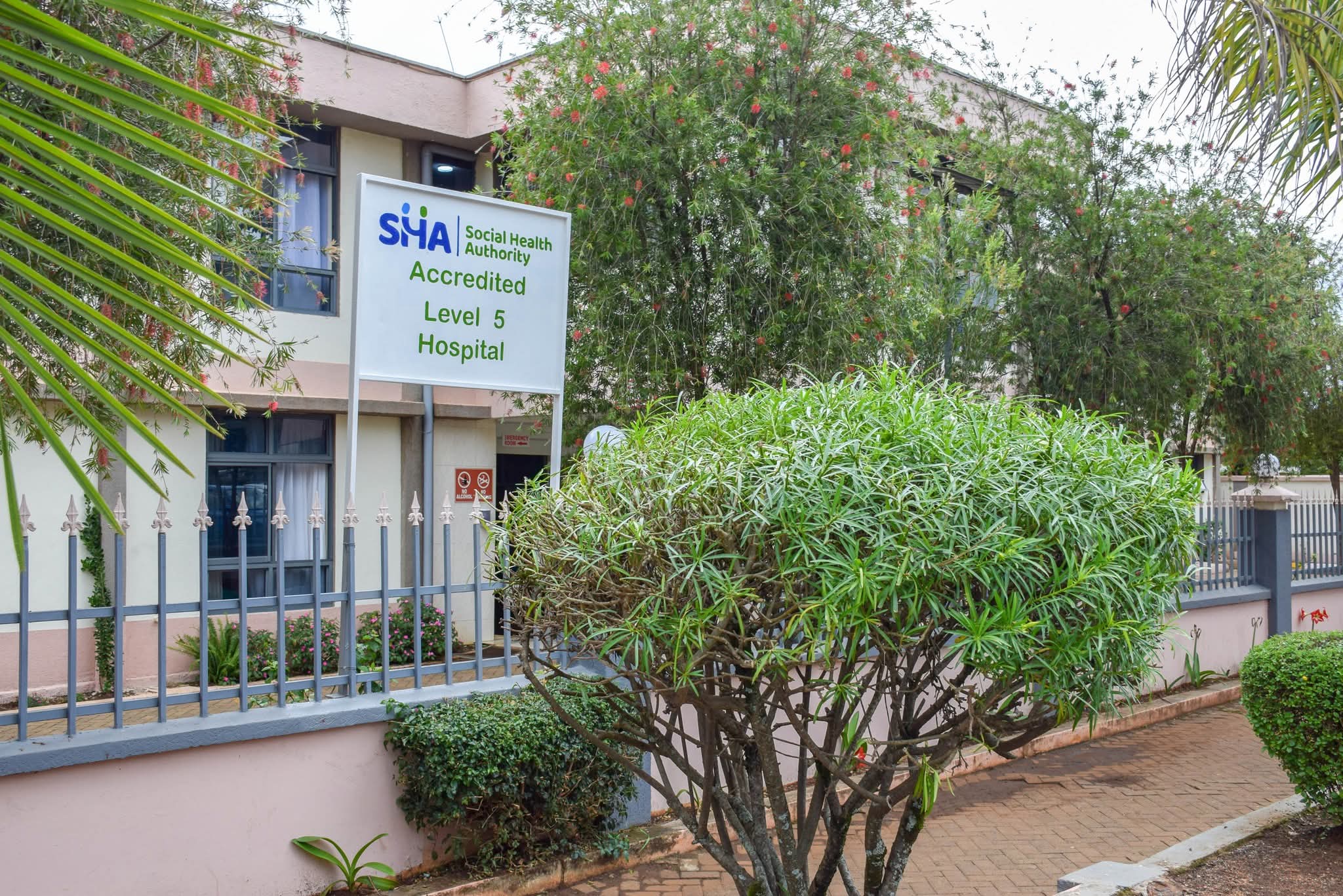
In a decisive agreement brokered between the Ministry of Health, the Social Health Authority (SHA), and teachers’ unions, authorities have issued a firm directive: no teacher should pay any additional fees when seeking treatment at approved facilities.
Health Cabinet Secretary Aden Duale declared that all contracted hospitals—including top-tier Level 5 and Level 6 facilities—must offer services without charging patients extra.
“Teachers will not pay anything in hospital… that is the direction going forward,” Duale affirmed, signaling a hardline stance against facilities demanding top-up payments.
The landmark deal follows weeks of mounting frustration among educators who reported delays in treatment, system inefficiencies, and unexpected medical bills despite being insured. The unrest exposed cracks in the transition to the revamped healthcare framework, triggering urgent negotiations.
 ADVERT
To restore order, SHA has scrapped the contentious tariff controls that had fueled disputes between hospitals and the scheme. In their place comes a strict “no co-payment” policy under the Public Officers Medical Scheme Fund (POMSF), effectively outlawing any extra charges as fresh pricing talks get underway.
A joint communiqué leaves no room for ambiguity: all contracted facilities must deliver a “walk-in, walk-out” experience—ensuring teachers receive care without making any payments at the point of service.
Beyond immediate relief, the reforms signal a broader restructuring of healthcare delivery for public servants. SHA has committed to concluding nationwide tariff negotiations within four weeks, targeting more than 3,500 private and faith-based hospitals.
The move aims to standardize pricing, eliminate billing disputes, and create a predictable, transparent system for both providers and patients.
To sustain accountability, the government will roll out monthly review forums bringing together SHA, the Teachers Service Commission (TSC), and union representatives. These meetings will track claims, payments, and service quality, while revived county-level structures will address local challenges in real time.
In a push for greater transparency, SHA will publish and continuously update a nationwide list of approved hospitals, enabling teachers to quickly identify where they can access services without delays or confusion.
The new framework also expands benefits, including access to specialised overseas treatment and financial support for high-cost medical cases through an ex-gratia arrangement—offering a critical safety net for complex conditions.
Teachers’ unions have welcomed the reforms as a turning point after a turbulent transition period, expressing optimism that the changes will restore dignity and reliability in healthcare access.
However, they caution that the success of the new system hinges on strict enforcement. Ensuring hospitals comply with the zero co-payment directive, they say, will determine whether the reforms translate into real relief for teachers on the ground.
For now, the message from government is unequivocal: Kenya’s educators should walk into hospitals with confidence—and walk out without a bill.



