 ADVERT
 ADVERT
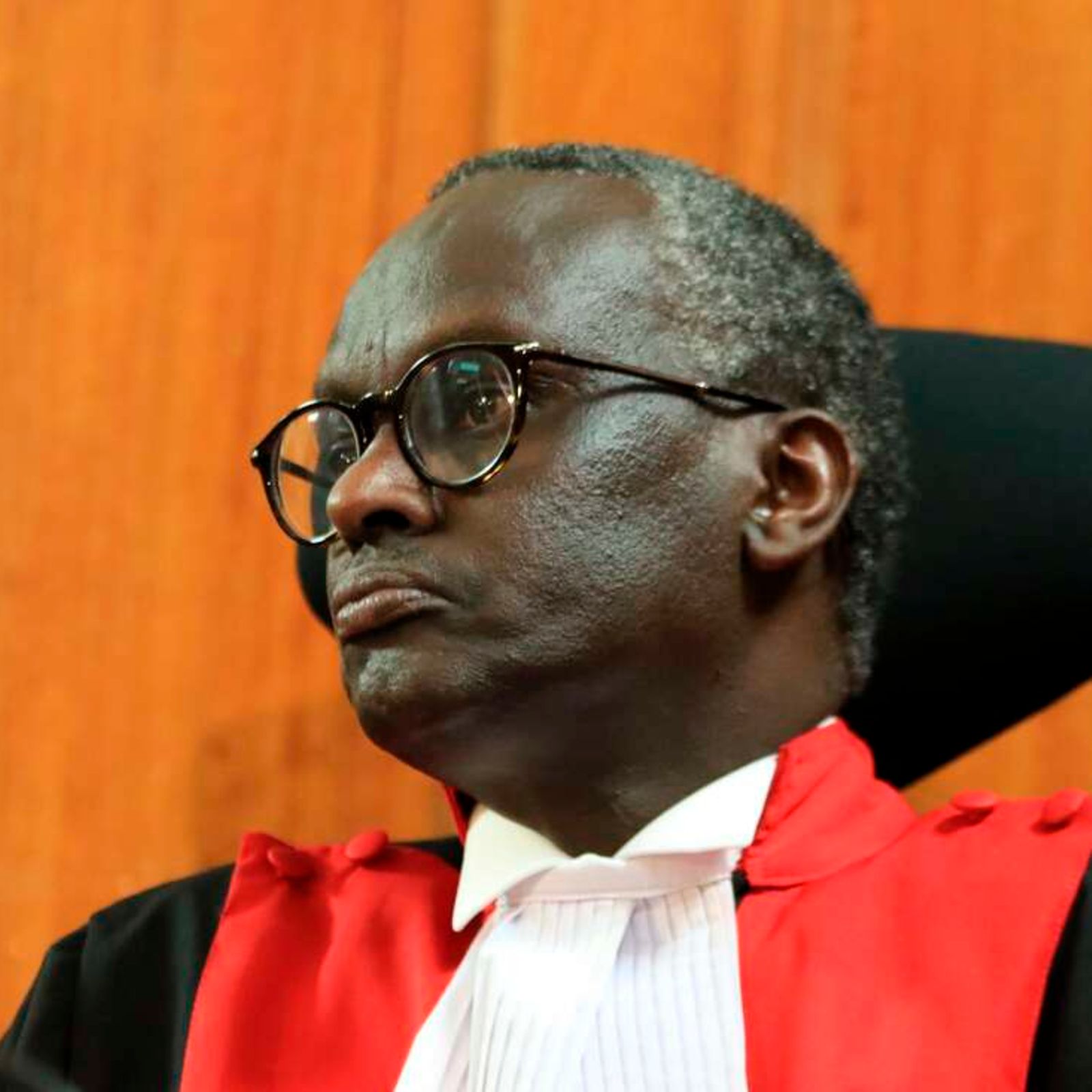
Supreme Court Judge Isaac Lenaola has issued a scathing alert on Kenya’s fractured legal education pipeline, declaring that the Competency-Based Curriculum (CBC) is clashing dangerously with university and Kenya School of Law (KSL) training – and the country risks churning out lawyers unprepared for the courtroom.
Speaking Friday at the glittering launch of Zetech University’s new Law School in Mang’u, Kiambu County, Lenaola pulled no punches. “As the legal field and the world are changing, so must legal education,” he said, adding that outdated teaching methods simply cannot survive in today’s fast-evolving Kenya.
The judge, a former Council for Legal Education insider, zeroed in on the looming crisis: students drilled in CBC’s skills-first, learner-centred approach from Grade One right through to senior school will slam into a brick wall when they hit university lecture halls and then the rigorous gates of the Kenya School of Law.
“I may not understand much about CBC, but I am told it focuses on competencies, individual learners, and character,” Lenaola admitted candidly. “If CBC teaches a child from Grade One to Grade 12 or 13 that you must do certain things in certain ways, how prepared are universities and law schools to ensure that we do not give them culture shock?”
His verdict was brutal: “A lot of students get shocked, so there must be a problem somewhere.”
 ADVERT
Lenaola painted a stark picture of three mismatched systems colliding. CBC emphasizes practical skills and personal growth. Universities often stick to traditional lecture-and-exam models. Then comes KSL’s high-stakes professional grind. The result? Students reeling from repeated “culture shocks” – and ultimately, a weaker cadre of advocates.
“What kind of lawyer are we producing?” he asked pointedly. “There must be alignment between all these processes so that students do not keep getting shocked at every stage. They should be able to flow through the system and succeed at the end of it.”
The timing could not be more critical. Kenya’s pioneering CBC cohort is already advancing through senior school, with the first university wave expected in the coming years. Universities nationwide have been put on notice by regulators to rewrite curricula or face consequences – a reality Lenaola’s remarks now thrust squarely into the spotlight for legal training.
Zetech University’s Deputy Vice-Chancellor Prof Alice Njuguna welcomed the new law programme as a bold step toward producing professionals ready for “emerging societal challenges.” Council of Legal Education CEO Prof Jack Mwimali stressed accreditation standards, discipline, and ethics, but Lenaola’s message was unmistakable: standards alone are not enough without seamless system alignment.
Lenaola’s intervention comes as legal education faces broader pressures – from artificial intelligence and misinformation to shifting global norms. He made it crystal clear: training lawyers the way it was done “in my time” is no longer an option.
Kenyan legal stakeholders – from the Law Society to university deans and CLE regulators – must now act. The judge’s call is simple yet seismic: align CBC, universities, and KSL or watch the quality of Kenya’s justice system crumble.
The launch of Zetech’s law school may be a milestone, but Lenaola has turned it into a national red alert. The question now is whether Kenya’s education gatekeepers will listen – before the first CBC-trained lawyers walk into courtrooms unprepared.


