 ADVERT
 ADVERT
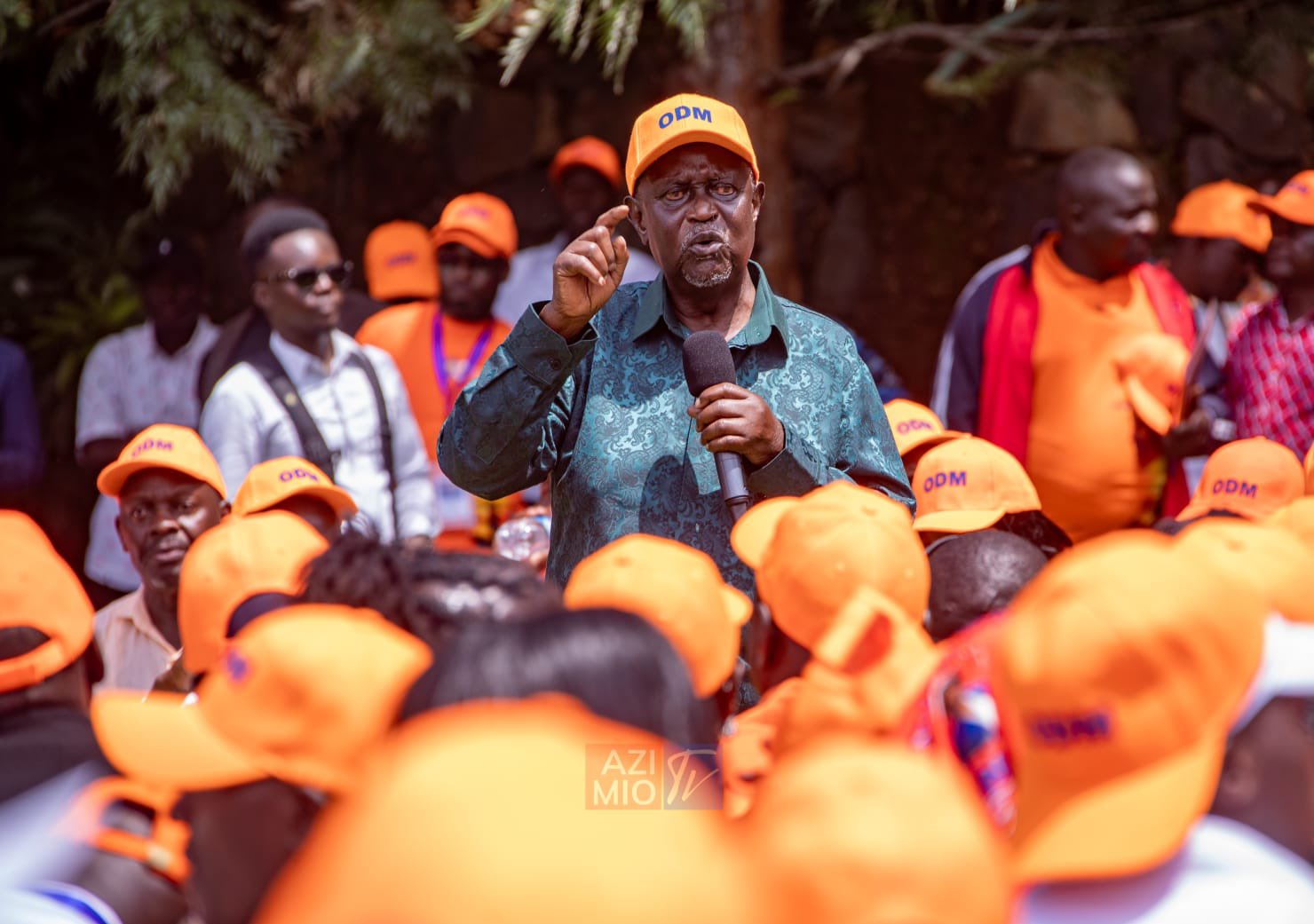
Orange Democratic Movement leader Oburu Odinga has publicly declared that ODM is engaging President William Ruto at the highest level over Kenya’s escalating fuel prices, positioning the party as a defender of struggling households amid mounting economic frustration.
Speaking after a political mobilisation tour in Nyakach and Kisumu, Oburu admitted that soaring fuel costs had become unbearable for ordinary Kenyans, saying ODM had already escalated the matter internally through Treasury Cabinet Secretary John Mbadi and would continue direct consultations with the President.
The statement comes at a politically sensitive moment, with fuel prices triggering nationwide concern after the government increased diesel prices by Sh46.29 per litre and petrol by Sh16.65 in the latest review by the Energy and Petroleum Regulatory Authority. Transport operators, businesses and households have since warned of ripple effects on food prices, public transport fares and overall inflation.
Oburu’s remarks appear designed to reassure ODM supporters that the party still retains influence within government despite criticism from sections of the opposition accusing ODM leaders of becoming too accommodating to the Kenya Kwanza administration.
Political analysts say the timing of the intervention is unlikely to be accidental. ODM has recently faced growing pressure from supporters demanding visible results from its cooperation with government, especially after the inclusion of key ODM figures in state structures. By publicly framing itself as a force lobbying for economic relief, the party is attempting to demonstrate relevance while shielding itself from accusations of political surrender.
 ADVERT
At the same time, Treasury CS Mbadi confirmed that the government is actively considering fresh interventions, including possible tax adjustments and expanded fuel stabilisation measures. According to Mbadi, the Treasury has already spent more than Sh11 billion over two months attempting to cushion consumers from global oil shocks linked to instability in the Middle East.
“We must do whatever it takes,” Mbadi said during an ODM rally in Nyakach, while acknowledging that previous interventions had failed to fully contain the price surge.
The government has repeatedly defended the fuel hikes as part of a wider global energy crisis rather than a uniquely Kenyan problem. Officials argue that even major oil-producing nations such as the United States have experienced sharp increases in petroleum prices.
Still, for many Kenyans, the political messaging may matter less than the economic reality. Public service vehicle operators and motorists are already warning of inevitable fare hikes, while consumers fear another wave of inflation in the coming weeks.
Whether ODM’s engagement with Ruto delivers tangible relief or merely serves as political positioning ahead of future realignments remains unclear. What is evident, however, is that rising fuel prices have rapidly evolved into a major political test for both the Kenya Kwanza administration and its increasingly complicated relationship with ODM.
As pressure mounts, Kenyans will be watching closely to see whether the promised consultations translate into lower pump prices — or become yet another round of political theatre in a season of economic hardship.



