 ADVERT
 ADVERT
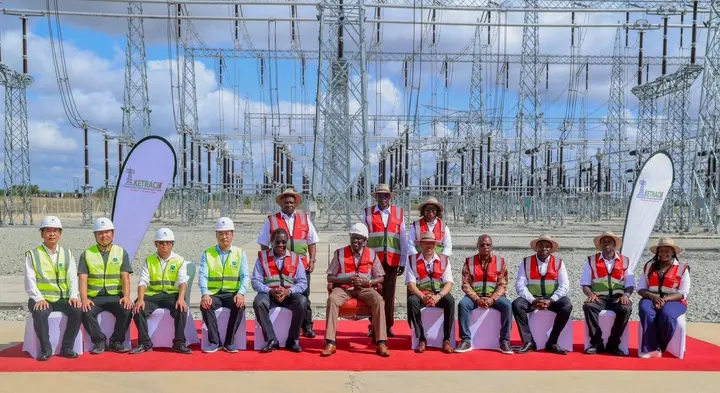
Cabinet secretary of Energy and Petroleum Opiyo Wandayi commissioning of the fully energized 400 slash 220kV KETRACO Mariakani Substation in Kilifi County led by President William Samoei Ruto marks a decisive moment in the pursuit of a modern resilient and sustainable energy future. The development, presented within a broader national energy narrative, reflects both a policy direction and an infrastructure milestone that signals renewed focus on strengthening the electricity transmission backbone. By reinforcing the corridor linking Nairobi to Mombasa, the Mariakani Substation improves the movement of power across regions, addressing long standing transmission constraints that have limited industrial growth and consistent service delivery along the coastal region. The high level presence at the commissioning highlights the central role of energy infrastructure in national planning and underscores the importance of coordinated leadership in advancing large scale public investments that shape economic transformation.
Within the evolving energy landscape, transmission infrastructure remains a critical enabler of efficiency and stability. Generation capacity alone cannot meet national demand without a reliable grid capable of balancing and distributing electricity effectively. The Mariakani Substation strengthens this capacity by improving grid stability and increasing the ability to transmit power across key demand centers. This development supports a gradual reduction in dependence on costly thermal generation and strengthens the integration of cleaner energy sources into the national system. In this sense, the project is not only a technical intervention but also a strategic alignment of infrastructure with broader energy transition goals, ensuring that planning and execution move in tandem toward a more sustainable energy mix.
The broader significance of the substation is also reflected in its socioeconomic implications. Access to reliable electricity continues to be a defining factor in economic productivity and social development. By easing transmission bottlenecks in the coastal corridor, the project contributes to a more stable supply environment that supports business operations, public service delivery, and household energy needs. Improved reliability enhances confidence among investors and operators, allowing for more consistent planning and expansion of economic activities. At the household level, stability in electricity supply reduces disruption and supports improved living standards, reinforcing the link between infrastructure development and everyday wellbeing.
The project further strengthens the strategic position of the country within the regional energy framework. Enhanced transmission capacity along the Nairobi Mombasa corridor improves internal grid integration while opening greater potential for cross border electricity exchange. This creates a more flexible system capable of responding to variations in supply and demand while supporting regional cooperation in energy trade. Such integration contributes to efficiency in resource use across neighboring systems and positions the country as an important participant in regional energy connectivity. The strengthening of this corridor therefore carries implications that extend beyond national boundaries into broader regional development objectives.
In addition, the commissioning of the Mariakani Substation sends an important signal to investors and development partners regarding the maturity of the energy infrastructure landscape. A strengthened transmission network reduces uncertainty associated with power evacuation, which has often been a constraint in generation investment decisions. With improved infrastructure in place, the energy sector becomes more attractive to both domestic and international investors, encouraging further development of renewable energy projects and supporting long term capital inflows. This creates a reinforcing cycle in which infrastructure development supports investment, and investment in turn drives further expansion of the energy system.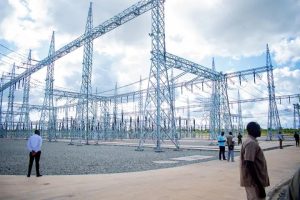
 ADVERT
From a wider economic perspective, the project aligns with national development priorities that emphasize industrial growth, logistics efficiency, and diversification of economic activity. Reliable electricity supply is essential for the functioning of industrial zones, port operations, cold storage systems, and value addition industries, particularly in coastal regions where trade and maritime activity are central to economic performance. Strengthening transmission infrastructure therefore plays a foundational role in enabling these sectors to expand and operate efficiently, contributing to broader economic transformation objectives.
However, the long term impact of the Mariakani Substation will depend on sustained institutional and operational effectiveness. Infrastructure expansion must be supported by strong planning systems, regulatory clarity, and effective maintenance frameworks to ensure reliability and efficiency over time. Capacity building within technical institutions and improved coordination across energy sector actors will also be necessary to fully realize the benefits of expanded transmission capability. Without these complementary measures, the full potential of the infrastructure risks being constrained by systemic inefficiencies elsewhere in the energy value chain.
Equally important is the need to ensure that the benefits of such infrastructure are shared inclusively. Large scale energy projects intersect with communities along their corridors, creating both opportunities and expectations. Ensuring that local populations benefit through employment, service delivery improvements, and participation in related economic activities is essential for strengthening trust and legitimacy. Transparent communication and equitable implementation frameworks help ensure that national infrastructure projects translate into meaningful local development outcomes, reinforcing the principle of shared progress.
The Mariakani Substation therefore stands as a significant milestone within the broader evolution of the energy sector. It demonstrates how strategic investment in transmission infrastructure can support energy transition, strengthen economic competitiveness, enhance regional integration, and build investor confidence. It also reflects an understanding that sustainable development requires a coordinated approach in which generation, transmission, and distribution evolve together as part of an integrated system.
Looking ahead, the central challenge lies in maintaining consistency in implementation and policy direction. Building a resilient and productive energy system requires continuous investment in infrastructure, institutional strengthening, and coordinated planning. If sustained, the momentum created by projects such as the Mariakani Substation will contribute to a more stable, inclusive, and economically dynamic energy future, supporting long term national and regional development objectives.


