 ADVERT
 ADVERT
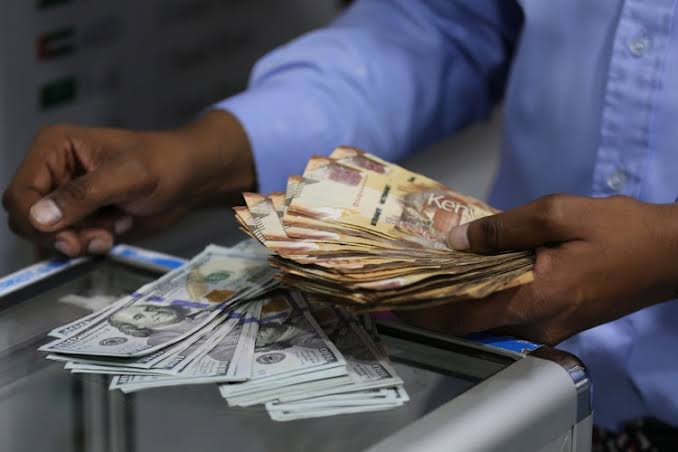
Kenya’s diaspora remittance story has taken a dramatic twist after the revelation that an estimated Sh280 billion in “hidden” inflows—previously unaccounted for—has been quietly entering the economy outside formal channels.
The disclosure, highlighted in a , lifts the lid on a parallel financial stream that could significantly reshape how policymakers, economists, and investors understand the country’s true foreign exchange position.
A Parallel Economy Comes Into View
For years, official data from the Central Bank of Kenya (CBK) has captured remittances routed through banks, mobile money, and licensed money transfer operators. But experts now say a substantial portion of diaspora money—channeled through informal systems such as personal couriers, hawala networks, and cash hand-deliveries—has remained largely invisible.
This newly quantified Sh280 billion shadow flow suggests that Kenya’s diaspora contribution is far larger than previously reported, reinforcing its position as the country’s most critical economic lifeline.
 ADVERT
Indeed, even without these hidden flows, remittances have already surged to over Sh1.15 trillion annually, accounting for about 3.7 percent of GDP and anchoring Kenya’s external stability.
Kenya’s Quiet Economic Backbone
Diaspora remittances have steadily overtaken traditional pillars such as tea, tourism, and foreign direct investment to become Kenya’s largest source of foreign exchange.
From record inflows of over Sh640 billion in 2024 to sustained monthly averages exceeding Sh50 billion, the upward trajectory has been unmistakable.
The addition of unrecorded flows now paints an even more striking picture: a global Kenyan workforce underwriting the domestic economy in ways far beyond official statistics.
Why the Money Was “Hidden”
The existence of informal remittance channels is not new—but their scale has long been underestimated.
Research shows that official data systems often exclude funds sent outside regulated financial institutions, meaning a significant share of diaspora transfers never enters national accounts.
High transaction costs, regulatory barriers, and convenience have driven many migrants to use alternative routes, especially in regions where formal banking access is limited or expensive.
Consumption Over Investment
Despite the staggering inflows, a critical concern remains: how the money is used.
Recent data indicates that more than 73 percent of remittances are spent on household consumption, including food, rent, school fees, and medical expenses.
While this spending sustains millions of households, analysts warn it limits long-term economic transformation, with relatively little directed toward productive investment.
Policy Shift on the Horizon?
The revelation of hidden remittances is likely to trigger fresh policy debates in Nairobi.
Economists argue that capturing even a fraction of these informal flows into the formal financial system could:
– Boost foreign exchange reserves
– Strengthen the shilling
– Expand the tax base indirectly through formalisation
– Unlock investment capital for infrastructure and industry
However, efforts to formalise flows must balance regulation with incentives, ensuring that diaspora workers are not driven further underground by high costs or bureaucracy.
The emergence of Sh280 billion in hidden remittances underscores a deeper truth: Kenya’s diaspora is not just supporting families—it is quietly stabilizing the entire economy.
As global uncertainties weigh on exports and investment, this dispersed network of workers abroad continues to act as an invisible safety net—one that policymakers can no longer afford to overlook.
Kenya’s true diaspora economy may be far larger than official figures suggest—and unlocking its full potential could redefine the country’s economic future.


