 ADVERT
 ADVERT
The message could not have been clearer—because nothing was there to say it.
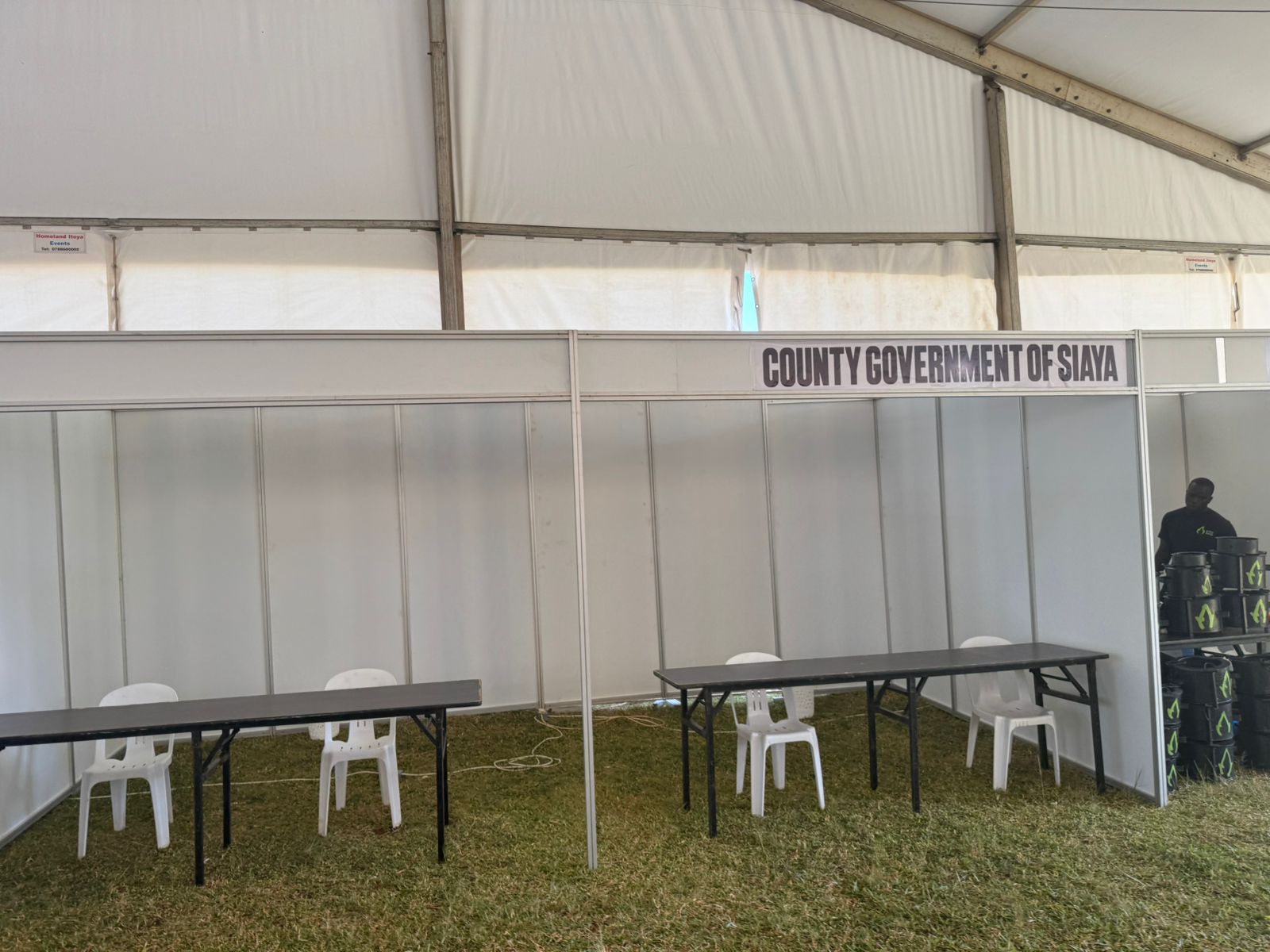
At last week’s EPRA Respiratory Medical Camp, where hundreds turned up seeking knowledge, screening and life-saving solutions, the Siaya County Government stand stood empty. Not delayed. Not understaffed. Empty.
What may appear as a minor logistical lapse is, in truth, a glaring failure of leadership—and a dangerous one at that.
This was not just another public event. It was a frontline opportunity in the fight against respiratory disease, a crisis that continues to quietly grip Siaya. As private sector players showcased clean cooking technologies—LPG, improved cookstoves, solar alternatives—the county government, the very authority entrusted with public health, was nowhere to be seen.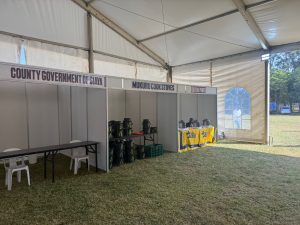
That absence speaks louder than any speech.
 ADVERT
Siaya is no stranger to respiratory illness. Research from KEMRI and the U.S. CDC has consistently flagged the region as a hotspot for acute respiratory infections. Data shows nearly one in ten residents suffers from such illnesses, with severe pneumonia cases remaining alarmingly prevalent.
Yet the root cause is well known—and largely unaddressed.
A staggering 84% of households in Siaya still rely on firewood, charcoal and other polluting fuels, according to KNBS. The smoke inhaled daily in kitchens across the county is not just a nuisance—it is a slow, silent killer linked to pneumonia, chronic respiratory disease, asthma and even heart complications.
Clean cooking is not optional. It is essential.
Which is why the county’s no-show at such a critical outreach raises uncomfortable questions. If not here, where? If not now, when?
Public health outreach events are where policy meets people. They are where awareness turns into action. Government presence is not symbolic—it is strategic. It validates solutions, builds public trust and connects citizens to broader support systems like subsidies, screenings and follow-up care.
Without it, the chain breaks.
Private companies may demonstrate products, but they cannot deliver policy. They cannot ensure equitable access. They cannot track health outcomes or design interventions for the most vulnerable. That responsibility lies squarely with government.
And in Siaya’s case, that responsibility was abandoned—at least for a day.
The consequences are not theoretical. Every missed opportunity for prevention compounds the burden on already stretched health facilities. More infections. More hospital visits. More avoidable deaths. And ultimately, higher costs for both families and the public health system.
Prevention is cheaper. Prevention is smarter. Prevention saves lives.
Yet it requires one simple thing: presence.
By failing to show up, the county government forfeited its chance to influence behavior at a critical moment. It lost the opportunity to reinforce trust, to champion cleaner technologies and to position itself as a proactive partner in safeguarding public health.
Instead, it projected indifference.
This is not just about one empty stand. It is about a pattern that risks emerging—a disconnect between known health challenges and visible, decisive action.
Siaya’s leaders must confront this reality head-on.
The path forward does not demand massive budgets or complex reforms. It requires commitment. Representation at key outreach events. Strategic partnerships with clean energy innovators and health organizations. Integration of awareness campaigns with actual service delivery. And above all, a deliberate shift toward prevention as a core priority—not an afterthought.
The tools are available. The data is clear. The need is urgent.
What remains in question is the will to act.
Because in public health, absence is never neutral—it is costly.
And for the people of Siaya, that cost is measured in compromised lungs, strained hospitals and lives that could have been saved through simple, proactive engagement.
The next outreach will come.
The only question is whether Siaya County will finally show up—or once again leave its citizens to face a preventable crisis alone.


