 ADVERT
 ADVERT
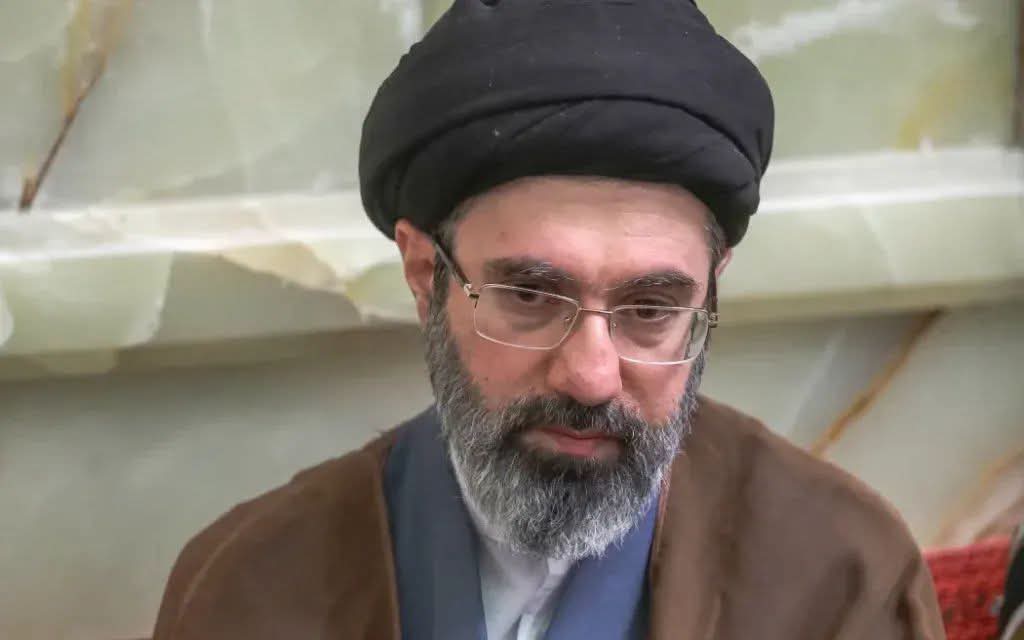
The burial of Iran’s long-serving Supreme Leader Ayatollah Ali Khamenei has not brought closure—it has ignited a chilling new phase of geopolitical tension. In a fiery post-funeral message, his successor and son, Ayatollah Mojtaba Khamenei, has vowed that revenge for his father’s killing is not only inevitable, but a “national demand” that must be fulfilled.
The declaration, delivered shortly after solemn burial rites in the holy city of Mashhad, signals a hardening of Tehran’s posture at a moment when the region is already teetering on the edge of renewed conflict.
Ali Khamenei, who ruled Iran for nearly four decades, was assassinated in a joint U.S.-Israeli airstrike on February 28, 2026—an event that fundamentally reshaped the balance of power in the Middle East. His death triggered mass mourning across Iran, but also ignited a wave of anger that has steadily intensified in the months since.
Now, with funeral ceremonies concluded, that anger has found its clearest expression yet.
A Vow That Signals Escalation
 ADVERT
In his message, Mojtaba Khamenei framed vengeance as both a sacred duty and a collective national obligation. He described those responsible for his father’s death as “criminal killers” and pledged that Iran—alongside its allies—would ensure justice is delivered.
This is not rhetoric in isolation. Throughout the funeral processions, millions of mourners poured into the streets, many openly calling for retaliation. Chants demanding revenge echoed across cities, underscoring a deeply rooted public sentiment that the leadership can neither ignore nor easily contain.
The timing of the statement is critical. It comes amid fragile ceasefire dynamics and renewed military exchanges between Iran and Western powers, raising fears that the region could slide back into open confrontation.
Leadership Under Scrutiny
Mojtaba Khamenei’s rise to power has itself been controversial. Appointed shortly after his father’s death, his leadership has been shrouded in uncertainty, not least because he has remained largely out of public view—reportedly due to injuries sustained in the same attack.
His absence has fueled speculation about internal power struggles and the true extent of his control. Yet his latest statement suggests a leader determined to assert authority through defiance rather than diplomacy.
By invoking revenge as a “divine mission,” Mojtaba is aligning himself firmly with the hardline elements of Iran’s political and military establishment—particularly the powerful Revolutionary Guard.
A Region on Edge
The implications extend far beyond Iran’s borders. Already, tensions between Tehran and Washington have escalated sharply, with threats and counter-threats dominating the geopolitical landscape. Military posturing, disrupted ceasefire talks, and heightened naval activity in strategic waterways such as the Strait of Hormuz all point to a volatile environment.
The vow of revenge now adds a combustible new dimension.
For global markets, the stakes are immediate—energy supplies, shipping routes, and regional stability all hang in the balance. For ordinary citizens across the Middle East, the fear is more direct: that the rhetoric of revenge could translate into a cycle of retaliation with devastating consequences.
Revenge or Restraint?
History offers a sobering lesson—moments of national grief often become turning points. They can either open a path to recalibration or entrench a march toward conflict.
Iran now stands at that crossroads.
Mojtaba Khamenei’s message leaves little ambiguity about the direction he intends to take. Whether that path leads to calculated deterrence or uncontrollable escalation will depend not only on Tehran’s next move, but also on how its adversaries respond.
For now, one reality is unmistakable: the burial of a leader has not buried the conflict. It may have just reignited it.



