 ADVERT
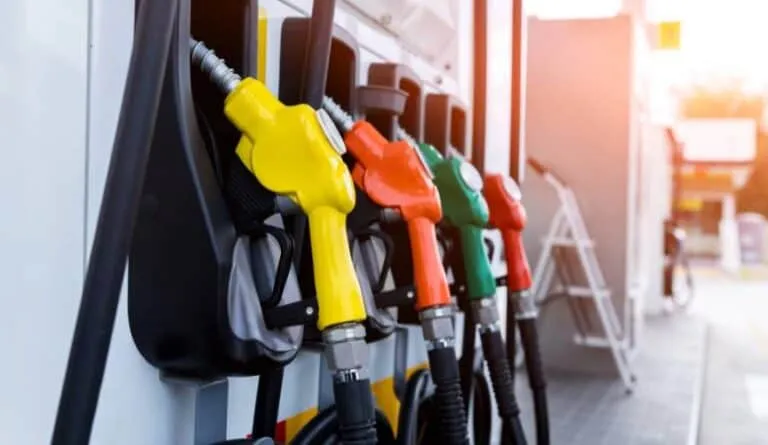
Kenyan motorists and households have secured a crucial reprieve after the Energy and Petroleum Regulatory Authority (EPRA) retained fuel prices for the next 30 days, reinforcing government efforts to shield the economy from global oil price shocks.
In the latest monthly review, pump prices will remain unchanged from July 15 to August 14, 2026, with Super Petrol retailing at Sh214.03, Diesel at Sh222.86, and Kerosene at Sh191.38 per litre in Nairobi. The decision offers much-needed predictability at a time when international fuel markets remain volatile.
The move to hold prices steady comes against a backdrop of fluctuating global crude oil prices that have continued to exert pressure on import-dependent economies. By maintaining current rates, EPRA has effectively insulated consumers and businesses from sudden cost spikes that would ripple across transport, food, and essential goods.
Energy analysts view the decision as a deliberate intervention aimed at sustaining economic stability rather than a passive hold, noting that consistency in pricing plays a key role in managing inflation expectations.
Wandayi’s Steady Grip on Energy Policy
The price stability reflects the broader policy direction under Energy Cabinet Secretary Opiyo Wandayi, whose tenure is increasingly defined by a focus on affordability, predictability, and supply security.
Through coordinated strategies—including structured pricing reviews, tax adjustments, and stabilization mechanisms—the Ministry of Energy has sought to strike a balance between protecting consumers and ensuring market sustainability. Recent months saw selective reductions, particularly on diesel, easing pressure on transport and production sectors before the current holding phase.
Wandayi’s approach is quietly reshaping the sector, prioritizing stability over abrupt shifts—an approach that is helping businesses plan with greater certainty while cushioning households from erratic fuel costs.
For ordinary Kenyans, unchanged fuel prices translate into:
Stable public transport fares
Predictable cost of goods and services
Reduced strain on household budgets
For businesses—especially in logistics, agriculture, and manufacturing—the decision offers breathing room and operational certainty in a challenging economic environment.
EPRA maintains that the pricing decision aligns with the Petroleum Act and the country’s regulatory framework, ensuring transparency and consistency. Behind the scenes, policy tools such as stabilization funds and structured fuel import arrangements continue to play a critical role in cushioning the market from external shocks.
While global oil trends remain unpredictable, the government’s recent track record signals a deliberate shift toward insulating Kenyans from extreme volatility.
For now, the steady pump prices offer more than just temporary relief—they reflect a broader strategy to anchor economic stability in uncertain times.
In a turbulent global energy market, Kenya’s decision to hold fuel prices steady stands out as a calculated win—delivering immediate relief while strengthening confidence in the country’s energy leadership under CS Wandayi.



