 ADVERT
 ADVERT
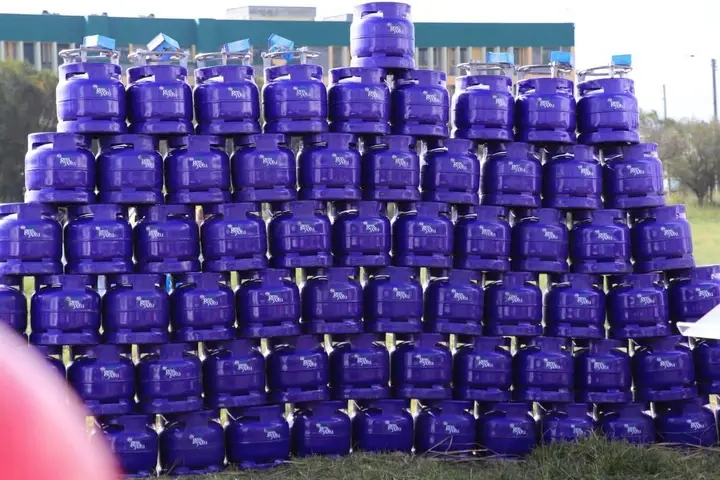
The recent rollout of subsidised six kilogram LPG cylinders to households in Nyandarua, joining earlier distributions in Makueni, Machakos, Kitui, Kajiado and other counties, represents a pivotal moment in Kenya’s effort to expand clean cooking. The move signals a clear political commitment from the highest level of government to address a long standing public health and environmental problem while also repositioning the state’s role in social programmes toward sustainability and accountability. By shifting from fully free distributions to a cost sharing model in which government covers forty percent, LPG marketers forty percent and consumers twenty percent, the programme acknowledges two realities that had previously undermined its impact. The first is the need to safeguard public resources through responsible targeting while the second is the importance of engaging market actors and beneficiaries in sustaining supply chains and proper usage.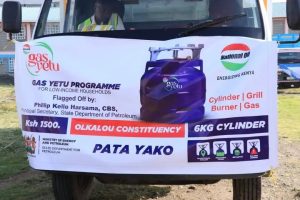
This recalibration reframes clean cooking not as a one off giveaway but as a collaborative public private social intervention that can endure beyond the life of a single electoral cycle. The change is politically prudent because it reduces the likelihood of misuse that free handouts can encourage and it sends a message that responsible use of public subsidies matters. When beneficiaries contribute a modest share, the cylinders are less likely to be abandoned, sold or diverted to unintended uses, and households are more likely to embrace the behavioural changes required to transition from solid fuels. Equally important, involving LPG marketers in the price structure creates incentives for stronger distribution networks, reliable refill services and continued customer support, all of which are essential for long term adoption. This arrangement recognises that government alone cannot build the extensive infrastructure required to achieve a meaningful household energy transition across Kenya.
Critics will argue that requiring low income households to contribute even a small amount weakens the programme’s commitment to equity and may prevent the poorest families from benefiting. That concern deserves careful consideration and should remain central to policy implementation. At the same time, fully free distribution programmes have often faced challenges related to sustainability, uneven distribution and limited long term impact because beneficiaries may perceive the support as temporary. The revised approach should therefore be viewed not as a withdrawal of government responsibility but as a practical refinement that preserves the programme’s social objective while strengthening accountability and ensuring continuity. For this vision to succeed, implementing agencies must remain transparent in identifying eligible beneficiaries, establish accessible channels for public feedback and complaints, and work closely with county governments and local communities to ensure that households with the greatest need are not excluded. Without these safeguards, the programme risks undermining public confidence and repeating challenges that have affected other subsidy initiatives.
Beyond affordability, the success of the clean cooking programme will depend on effective coordination between national government, county governments, private sector partners and community organisations. Clean cooking is closely connected to public health, environmental conservation, women’s empowerment and local economic development. Addressing one aspect while neglecting the others would limit the programme’s overall impact. The Ministry of Energy and Petroleum should therefore use this initiative to strengthen governance by ensuring a steady supply of cylinders and refills, investing in public education on safe handling and proper usage, and working closely with county administrations to safeguard transparency during distribution.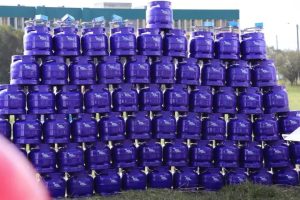
Private sector partners should remain accountable for the quality of services they provide while ensuring that consumers continue to access affordable refills without unnecessary barriers. Community organisations, civil society and local leadership also have an important role in educating households and monitoring the integrity of the programme. If managed effectively, the initiative can encourage investment in clean cooking infrastructure, create employment opportunities within distribution networks and improve household welfare by reducing the health risks associated with traditional cooking fuels.
 ADVERT
Public communication will also determine whether the revised subsidy model earns widespread acceptance. Many households may initially question why the cylinders are no longer issued free of charge. It is therefore important for government to clearly explain that the revised approach is intended to strengthen the programme’s sustainability rather than reduce support. Clear communication should emphasise that consumer contribution is designed to encourage responsible ownership while the larger share of the cost continues to be covered through government support and private sector participation. Openness about how beneficiaries are selected, where distributions take place and how complaints are addressed will strengthen public trust and minimise misinformation. Consistent communication backed by visible action will reinforce confidence that the programme remains focused on expanding access to clean cooking while protecting public resources.
The long term success of the initiative will also depend on practical measures that support continued use of LPG after households receive their cylinders. Access alone is not enough if consumers cannot obtain affordable refills or if they lack adequate knowledge on safe handling. Reliable distribution systems, consistent refill availability and continuous public education are all essential components of successful adoption. The participation of LPG marketers should contribute to stronger supply chains that reach households in rural and peri urban communities without unnecessary delays or inflated costs. Government can further strengthen the programme by encouraging wider investment in local distribution centres, supporting vulnerable households during the transition period where necessary and maintaining effective monitoring systems to detect misuse or diversion. Integrating clean cooking into broader national energy access strategies will also ensure that households benefit from a coordinated approach rather than isolated interventions.
From a governance perspective, the revised subsidy programme represents an important opportunity to demonstrate that social protection and responsible public spending can coexist. By combining government support, private sector participation and consumer responsibility, the model seeks to balance affordability with sustainability. Achieving that balance will require transparency, accountability and continuous oversight throughout implementation. If managed effectively, the programme could provide a valuable framework for designing future public subsidy initiatives that protect vulnerable citizens while making prudent use of public resources. Conversely, weaknesses in implementation, poor targeting or inadequate oversight would undermine public confidence and reduce the programme’s long term effectiveness. Strong monitoring systems, regular public reporting and responsive mechanisms for addressing emerging challenges will therefore remain essential throughout the rollout.
Ultimately, the clean cooking initiative should be viewed within the broader context of Kenya’s national development agenda. Expanding access to cleaner household energy contributes to improved public health, environmental protection, greater household productivity and enhanced quality of life. The revised subsidy model reflects an understanding that sustainable development requires shared responsibility among government, the private sector and citizens. The real measure of success will not simply be the number of cylinders distributed but the extent to which households are able to sustain the transition to clean cooking over time. With effective implementation, transparent governance, reliable supply systems and continuous public engagement, Kenya has an opportunity to build a lasting clean cooking programme that delivers meaningful social, economic and environmental benefits for generations to come.
James’ Kilonzo Bwire is a Media and Communication Practitioner


