 ADVERT
 ADVERT
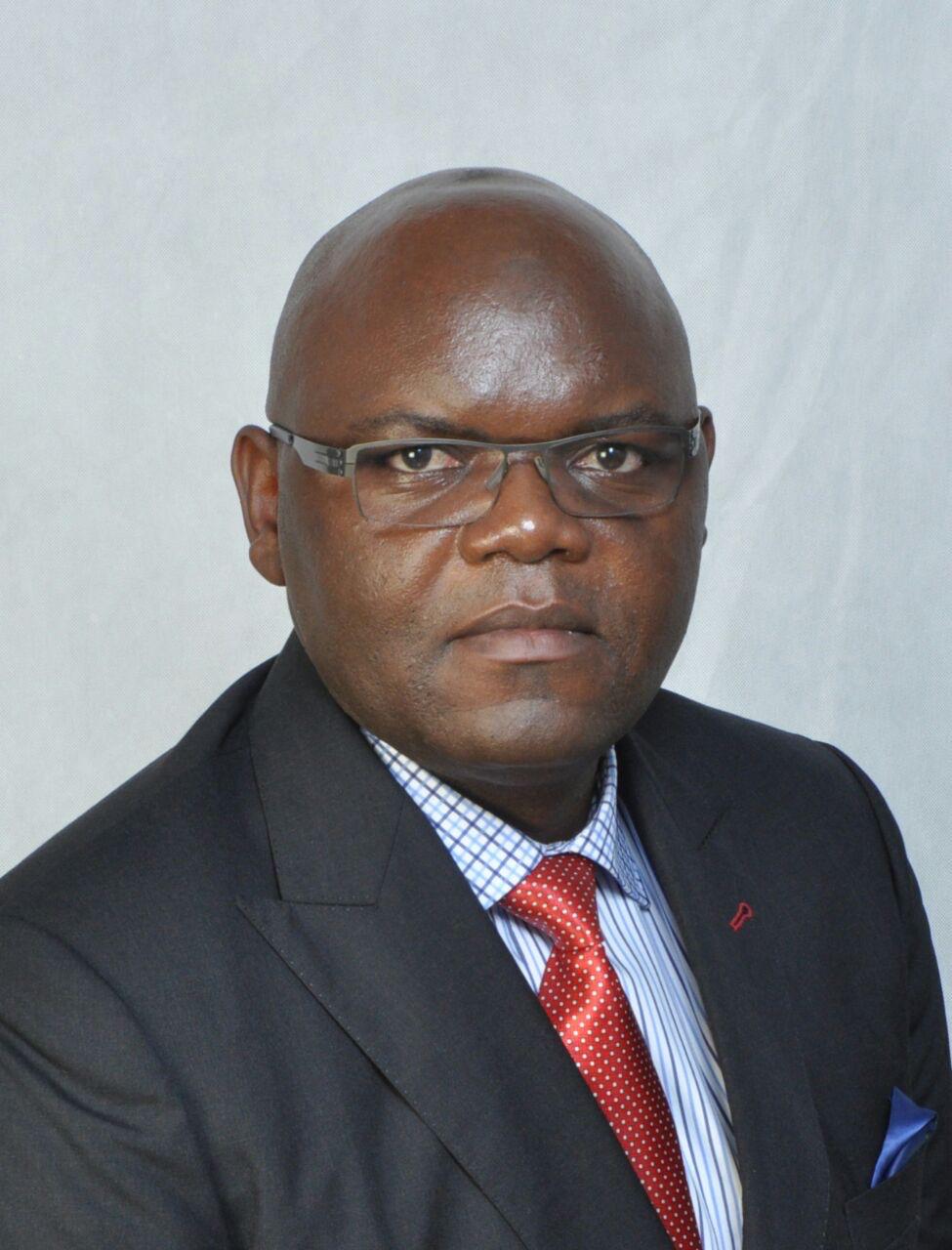
A stereotype that many would have brushed off as casual banter became the spark that ignited one of Siaya County’s most ambitious indigenous manufacturing ventures.
For Geoffrey Odhiambo Obiero, the founder of BaVal Limited, criticism from friends who claimed that the Luo community was more interested in politics than agriculture became the motivation to prove them wrong—not through words, but through industry.
Speaking during HARD TALK, Siaya’s premier current affairs programme on Wednesday night, Obiero narrated how the remarks pushed him into extensive research that eventually laid the foundation for the now rapidly expanding BaVal brand.
“I was told Luos are an idle people who spend more time politicking than producing food. Instead of getting angry, I decided to investigate whether there was any truth in that perception,” he said.
According to Obiero, his feasibility study revealed a striking contradiction.
 ADVERT
Although Siaya County ranks among Western Kenya’s leading maize-producing counties—second only to Kakamega and ahead of Vihiga and Kisumu—very little value addition takes place locally.
He noted that in 2024, Siaya produced an estimated 150,000 metric tonnes of maize, yet a significant proportion of the harvest left the county in raw form.
The grain is purchased cheaply by millers in other regions, processed, fortified, packaged and then transported back to Siaya where local consumers buy the finished maize flour at prices often two or even three times higher than what farmers initially received for their maize.
“It didn’t make economic sense,” Obiero observed.
“Our farmers sell maize at very low prices. Once value addition is done elsewhere, the same people who produced that maize buy it back at a premium.”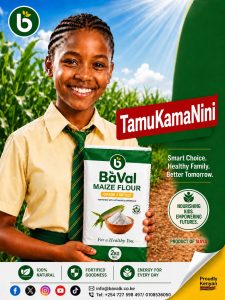
One discovery during his market survey convinced him there was enormous untapped demand for a local milling industry.
He recounted monitoring deliveries of packaged maize flour to Usenge in Yimbo.
“I discovered that a thirty-tonne trailer loaded with maize flour arrives at Usenge and within barely four days the entire consignment is sold out. That showed me just how quickly we consume flour that originates from our own maize after outsiders have added value.”
That realization convinced him that Siaya was exporting jobs, profits and industrial opportunities alongside its maize harvest.
Instead of continuing to supply raw produce to outside millers, Obiero envisioned establishing a modern processing plant within the county.
The result was BaVal Limited, strategically located at Ndere, just minutes from Siaya town.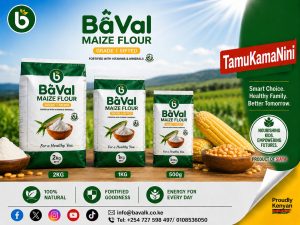
Launching the venture, however, was far from easy.
Obiero revealed that some of the strongest resistance came from within his own community.
Many questioned whether a locally owned manufacturing company could compete with established national brands.
Others openly doubted whether indigenous entrepreneurs possessed the capacity to build large-scale industries.
“I worked for 35 years as an executive in the manufacturing industry helping build successful businesses for other people. They considered me highly competent there. But the moment I wanted to establish my own factory, suddenly I was told Luos are lazy.”
He argued that such attitudes continue to discourage entrepreneurship.
According to him, many talented professionals from the region leave home to build businesses and industries elsewhere instead of investing locally.
“We reinforce those stereotypes ourselves. We migrate to cities and use our expertise to build wealth for others instead of believing we can create successful enterprises at home.
What began as an idea has since evolved into one of Siaya’s emerging manufacturing success stories.
BaVal Limited has become a busy production hub whose flagship product, BaVal Maize Flour, is steadily gaining market recognition across western Kenya.
The company is also expanding into animal feeds, while plans are already underway to manufacture edible cooking oil and bar soap, moves expected to broaden the firm’s footprint in Kenya’s fast-growing consumer goods sector.
Ironically, Obiero disclosed that many of those who initially dismissed the project are now seeking to invest in it.
“People who doubted us at the beginning are now asking to buy shares. The value of the company has grown significantly.”
Beyond business, Obiero used the platform to challenge the youth of Siaya to embrace entrepreneurship rather than limiting their ambitions to employment.
He urged young people to pursue bold ideas despite criticism, arguing that determination and vision remain the greatest ingredients for success.
“Nothing is impossible once you decide to pursue your vision with commitment.”
He also commended both the national government administration and the Siaya County Government for streamlining licensing procedures, saying a more supportive business environment is encouraging local manufacturing.
Obiero emphasized that BaVal Limited is committed to producing products that meet both national and international quality benchmarks.
He said every BaVal product undergoes certification by the Kenya Bureau of Standards (KEBS) and complies with all relevant regulatory and standardization requirements before reaching consumers.
Obiero’s journey reflects a broader conversation about value addition in Kenya’s agricultural economy.
For decades, many agricultural counties have exported raw produce only to import finished products at significantly higher prices, limiting local wealth creation and industrial growth.
By processing maize closer to where it is grown, enterprises such as BaVal Limited demonstrate how rural manufacturing can create jobs, strengthen farmer incomes, retain wealth within producing communities and stimulate broader economic transformation.
For Obiero, the mission extends beyond selling maize flour.
It is about proving that local entrepreneurs can build globally competitive manufacturing brands—and that the future of Siaya’s economy lies not only in producing crops, but also in owning the industries that transform them.



