 ADVERT
 ADVERT
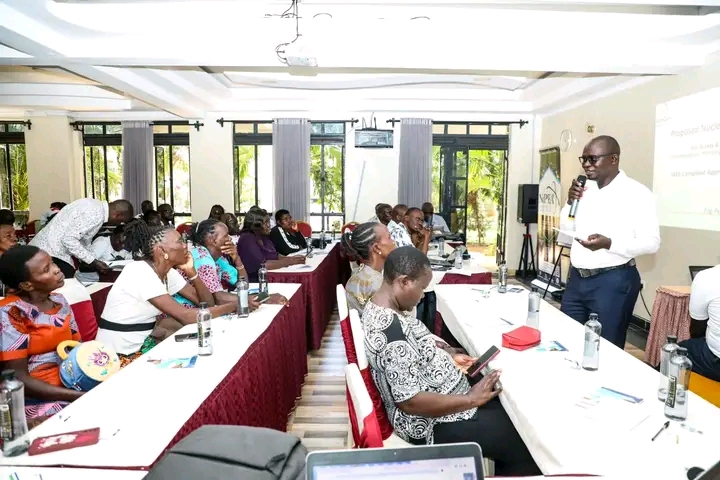
The arrival of women and persons with disabilities from Lenya and Liunda in Bondo Constituency for stakeholder engagement marks an important moment in the ongoing conversation about Kenya’s proposed nuclear power project. Public engagement of this nature is more than a procedural formality. It is the foundation upon which a credible, sustainable, and socially responsible infrastructure program must be built. When communities are given clear, accessible information about the goals, risks, benefits, and timelines of a project that will touch many aspects of their daily lives, they gain the ability to form informed opinions, raise legitimate concerns, and propose practical adaptations that make implementation smoother and outcomes fairer. In Siaya, the deliberate decision to create space for women and persons with disabilities reflects recognition that those who have historically been marginalized must have equal footing in shaping decisions that affect their futures. Meaningful inclusion acknowledges that diverse voices contribute distinct insights about local needs, social dynamics, and livelihood patterns that technical assessments alone cannot capture. By listening to these community members, project partners demonstrate respect for human dignity and strengthen the social acceptance required for long term success.
Equally important is transparency in the way information is shared and in how decisions are made. The technical complexity of nuclear energy can create a barrier between project proponents and communities, risking misunderstandings, mistrust, and resistance. Transparency reduces that risk by explaining processes clearly and by showing how regulatory safeguards, environmental assessments, safety protocols, and emergency preparedness measures will be implemented and overseen. When NuPEA and KenGen commit to open dialogue and to sharing clear, plain language explanations about what compliance with statutory requirements entails, they create a foundation for trust that public institutions and international partners can verify. Transparency also makes accountability possible. When commitments are recorded and communicated, civil society, local leaders, and citizens can monitor progress and call for corrective action if standards are not met. This accountability protects community welfare and preserves the integrity of the project.
The collaborative model proposed, linking NuPEA and KenGen with relevant national and international institutions, offers a pathway to integrate technical expertise, regulatory rigor, and best practices from jurisdictions with mature nuclear programs. Such collaboration is vital to ensure that every stage of the project lifecycle conforms to established safety and environmental norms, and that the workforce and institutions tasked with oversight are prepared and capable. However, technical competence alone is insufficient. Institutions must also be attentive to local contexts, cultural norms, and socioeconomic realities. Bringing in international partners should therefore be paired with genuine capacity building for local regulators, transparent knowledge transfer, and mechanisms that embed local oversight rather than outsource responsibility. This approach secures not only compliance with external standards but also community confidence that local systems can manage, inspect, and enforce the obligations that accompany a nuclear facility.
Prioritizing inclusive stakeholder engagement is also a matter of social justice. Projects of this magnitude can reshape land use, employment patterns, and resource allocation, with disproportionate impacts on disadvantaged groups unless mitigated by conscious policy choices. Ensuring that women and persons with disabilities can participate fully in consultations combats exclusionary tendencies and empowers these groups to influence mitigation measures, compensation frameworks, and benefit sharing arrangements. Their involvement should be substantive, not symbolic, with accommodations made for accessibility, timing, language, and facilitation styles to enable effective participation. When inclusion is treated as a central design principle rather than an afterthought, project outcomes are more likely to distribute benefits equitably and to minimize harm to vulnerable populations.
Sustained engagement is equally critical. One off meetings cannot substitute for ongoing dialogue that tracks how commitments evolve and how local conditions change over time. Continuous engagement allows for adaptive management. As technical plans are refined and as social and environmental impacts become clearer, community inputs can shape adjustments and corrective measures. This iterative process fosters mutual learning between implementers and residents, reduces the likelihood of conflict, and enhances project resilience. It also builds institutional memory and social trust that can improve governance across sectors beyond the life of the nuclear project itself.
 ADVERT
At the heart of the Siaya engagement lies the principle that infrastructure development must be people centered. Economic growth, energy security, and technological advancement matter, but their legitimacy depends on whether they respect the voices, rights, and aspirations of those most affected. When a community is part of the decision making process, when its concerns are acknowledged and addressed, and when transparent systems verify that safeguards are in place, development becomes a partnership rather than an imposition. The presence of NuPEA and KenGen alongside national and international bodies signals a willingness to pursue such a partnership, but goodwill must translate into concrete practices, documented commitments, clear indicators of compliance, accessible communication channels, and mechanisms for redress.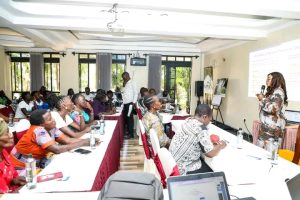
Finally, the engagement in Siaya sends a message about the kind of governance Kenyan citizens should expect for major projects. It illustrates an opportunity to craft a model of development that balances technological ambition with ethical stewardship. Governments and implementing agencies have a responsibility to ensure that regulatory processes are robust, that environmental and safety standards are non negotiable, and that the rights of citizens, including those who have been marginalized, are protected throughout planning, construction, operation, and decommissioning. Achieving this balance will not be automatic. It will require vigilance, persistent outreach, and the political will to prioritize social safeguards alongside project timelines.
The conversation in Lenya and Liunda is an encouraging sign that Kenya can pursue advanced energy solutions while honoring democratic values and human rights. If NuPEA, KenGen, and their partners sustain this level of openness, listen attentively to the concerns of women and persons with disabilities, and embed inclusion and transparency into every contractual and regulatory step, the country will not only advance its energy agenda but also strengthen the social foundations for future development. This is the moment to prove that progress can be technical and humane at once, and that the pursuit of secure, reliable energy can proceed without sidelining the people whose lives it is meant to improve. The project’s proponents, regulators, and communities must now commit to making that promise real through measurable actions and long term engagement.
James’ Kilonzo Bwire is a Media and Communication Practitioner


