 ADVERT
 ADVERT
The Independent Electoral and Boundaries Commission (IEBC) has been ordered to review and amend its tender for the supply, installation and maintenance of the Integrated Elections Management System (IEMS), injecting a fresh layer of scrutiny into preparations for Kenya’s 2027 General Election.
The directive by the Public Procurement Administrative Review Board follows a challenge by Galadirel Investment Limited, which questioned aspects of the procurement process for tender IEBC/OIT/01/2026-2027.
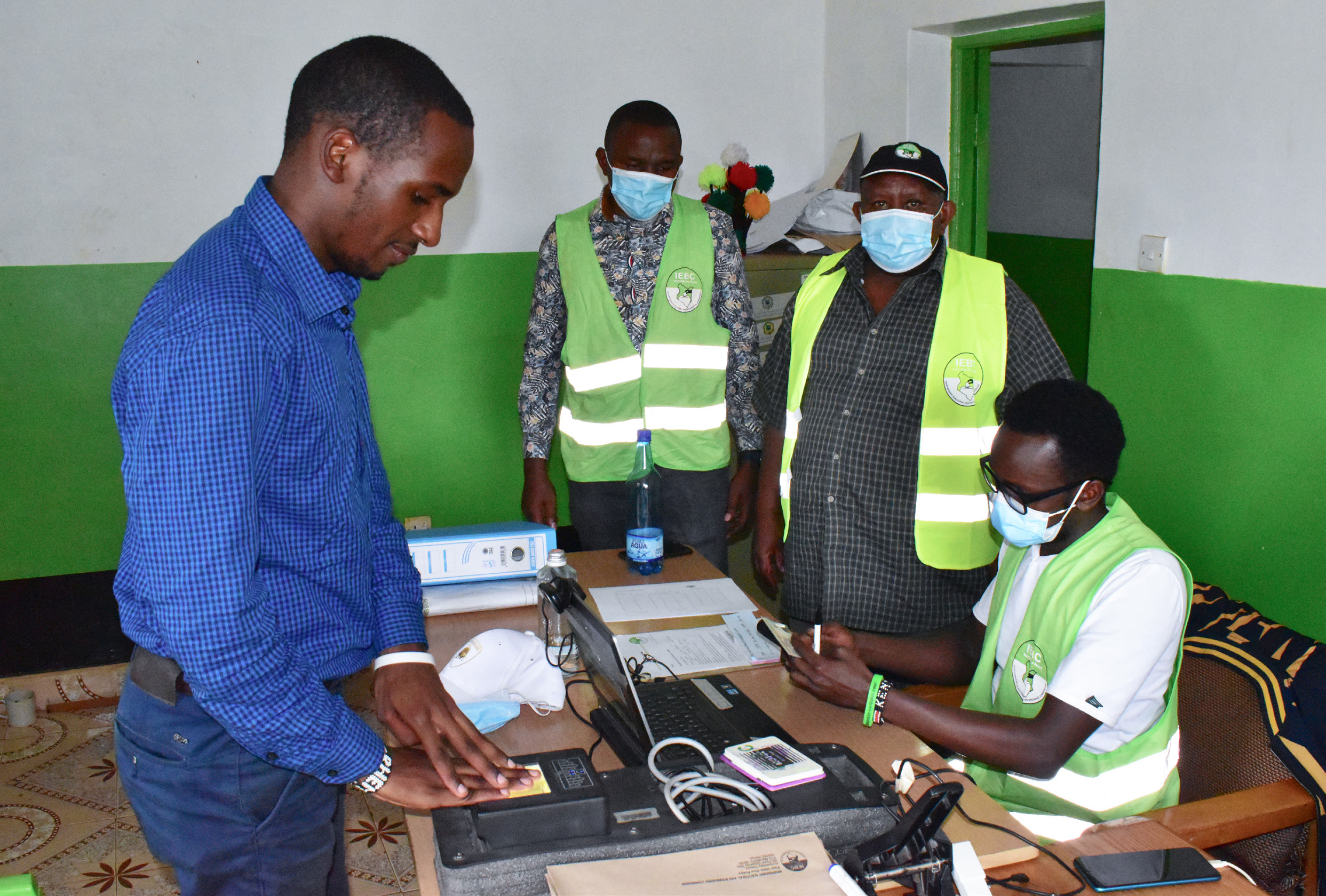
The tender covers a critical component of Kenya’s electoral infrastructure, including the supply, delivery, installation, testing, commissioning, support and maintenance of the IEMS, as well as associated hardware and accessories.
In its determination, the Board identified shortcomings in the clarity, certainty and objectivity of some tender requirements and evaluation criteria. It specifically raised concerns around provisions touching on hardware and technology ownership.
The significance of the ruling goes beyond a procurement dispute. With the 2027 election cycle approaching, the credibility of the systems underpinning voter identification, election management and other technology-dependent processes will be central to public confidence in the electoral process.
 ADVERT
The Board stressed that a tender document must clearly tell prospective bidders what is required and how their bids will be evaluated. Ambiguous or subjective requirements, it warned, can undermine transparency, fairness, equality and competitiveness—principles protected under Article 227 of the Constitution and public procurement law.
Importantly, the Board did not order the cancellation of the tender. Instead, it determined that the shortcomings could be remedied through clarification, correction and amendment.
IEBC must therefore review the disputed sections and publish a compliant tender document. Once the amendments are made, prospective bidders must be allowed sufficient time to study the revised requirements and prepare their bids, with the Board directing that the period should not be less than seven days as provided by law.
The electoral commission may also seek technical advice and support from the Public Procurement Regulatory Authority (PPRA) during the review process. However, the Board made an important distinction: PPRA can assist with procurement compliance, but the responsibility for determining the technical specifications of the IEMS remains firmly with IEBC.
That distinction matters.
An electoral management system is not an ordinary government procurement. Its specifications can have direct implications for the integrity, security, reliability and public acceptability of an election. IEBC must therefore demonstrate not only that it is procuring within the law, but that the system eventually acquired is technically fit for purpose and capable of supporting a credible election.
The ruling also offers an important opportunity for IEBC Chairperson Erastus Edung Ethekon and the commission to strengthen public confidence in the procurement process at a time when every major electoral decision is likely to attract intense political and public scrutiny.
The Board has directed its Secretary to forward the decision to the Director-General of PPRA for information, monitoring and any further action considered necessary under the law.
For Kenya, the bigger issue is not simply whether a tender document has been amended. It is whether the country can enter the 2027 election with electoral technology whose procurement is transparent, whose specifications are defensible and whose operation commands confidence across the political divide.
The partial allowance of Galadirel Investment Limited’s request for review, filed on August 14, 2026, therefore places the IEBC under renewed pressure to get the process right.
As the 2027 contest takes shape, electoral credibility will depend not only on who wins at the ballot but also on whether Kenyans trust the systems that produce the result.



