ADVERT

 ADVERT
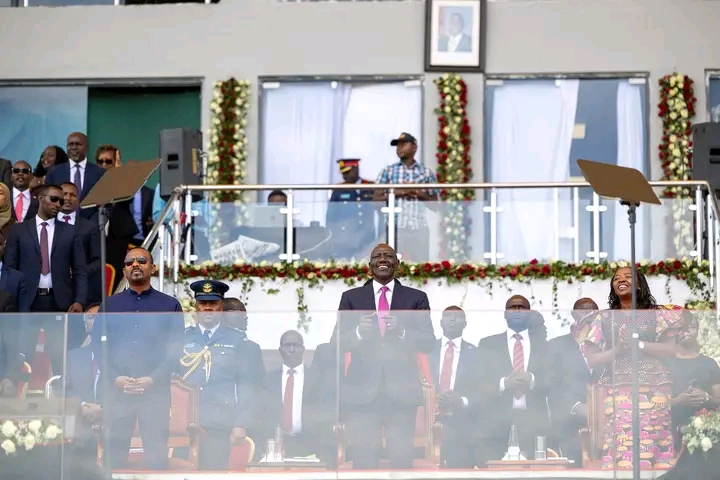
Kenya has entered a decisive stage in its long journey towards commercial oil production. President William Ruto has announced that the country is targeting to begin crude oil exports from the Lake Turkana Basin in December. This development could transform Kenya from a country that discovered oil into a country that produces transports and sells it in international markets. The announcement was made during the Mashujaa Day celebrations in Eldoret where the President said work in the basin was progressing rapidly and that exports were targeted to begin before the end of the year.
This announcement carries great national importance. Kenya discovered oil in the South Lokichar Basin in Turkana County in 2012 but the country has waited many years to move from discovery to commercial production. The delay was caused by financing difficulties the need for suitable infrastructure changes in project arrangements and the requirement to establish a clear development plan. The renewed progress including the arrival of drilling equipment at Mombasa for transportation to South Lokichar shows that the project is now moving closer to implementation.
However the beginning of oil exports should not be celebrated as an end in itself. It should be treated as the beginning of a serious national responsibility. Oil is a valuable resource but its value depends on how it is managed. A country can extract oil and still fail to improve the lives of its citizens if it lacks transparency strong institutions environmental protection and fair distribution of benefits. Kenya must therefore ensure that the expected exports produce lasting national value.
The first responsibility is transparency. Kenyans need clear information about the ownership of the oil project the terms of production agreements the expected revenue the taxes and royalties due to the State and the institutions responsible for oversight. The public should also know how revenue will be shared between the national government county governments and local communities. Without this information citizens cannot participate meaningfully in decisions that affect their resources and their future.
Transparency is particularly important because the oil is found in Turkana County a region that has experienced historical neglect and limited development. The people of Turkana should not be reduced to spectators in a project taking place on their land. They must be informed consulted and given a real opportunity to benefit from employment training local business opportunities and community development programmes. Their land water sources culture and livelihoods must be respected throughout the production process.
 ADVERT
The government should ensure that the benefits of oil production do not remain in the hands of a few companies contractors and public officials. Oil revenue should support national development but it should also bring visible improvement to Turkana. This does not mean that all oil revenue should be spent in one county. It means that the people who host the project should receive a fair share of its opportunities. Local employment skills training road improvement water access and support for small businesses should be planned from the beginning.
The second responsibility is environmental protection. Oil production and transportation can affect land water air and wildlife. The Lake Turkana region is environmentally sensitive and any activity there must be handled with great care. The government and the project developer must ensure that environmental impact assessments are genuine monitoring is independent and communities have a reliable way to report concerns. Where damage occurs affected people must receive timely compensation and the environment must be restored.
Environmental protection should not be viewed as a barrier to progress. It is a necessary condition for responsible progress. Kenya cannot pursue short-term earnings while allowing long-term damage to ecosystems and communities. The country must establish clear rules on waste management water use land restoration emergency response and community safety. Strong environmental standards will protect both the people of Turkana and the credibility of Kenya’s oil sector.
The third responsibility is infrastructure readiness. Oil cannot be exported merely because it has been extracted from the ground. It must be transported safely stored securely and delivered to international buyers under reliable arrangements. The government must demonstrate that roads storage facilities transport systems port handling and export logistics are ready. Any weakness in this chain can delay exports raise costs and create safety risks.
The reported plan for initial exports through the Port of Mombasa shows that the government is considering the full export chain rather than focusing only on production. This is encouraging but readiness must be demonstrated through practical capacity. Kenyans should be given clear information on the preparations that have been completed the remaining steps and the institutions responsible for each stage. If the December target is realistic the public should be shown why it is realistic. If delays occur the public should be told the truth.
The fourth responsibility is financial discipline. Oil projects involve large investments and can create high public expectations. Kenya must ensure that contracts are fair competitive and properly reviewed. Revenue collection must be efficient and public institutions must avoid agreements that expose taxpayers to unnecessary risk. The country should also prepare for changes in international oil prices because revenue from oil can rise or fall depending on market conditions.
Kenya should not treat oil revenue as a substitute for sound economic management. The country still needs strong agriculture manufacturing education health services infrastructure and tax administration. Oil can support these sectors but it cannot replace them. A country that depends too heavily on oil revenue becomes vulnerable when prices fall or production declines. Kenya should therefore use oil as part of a wider development strategy not as the foundation of the entire economy.
The President’s comments on the transfer of a stake in Kenya Pipeline Company add another important issue to this national conversation. He said private investors had acquired a twenty-five per cent stake in the company from public entities describing the transaction as a sign of confidence in Kenya’s capital markets and a way of mobilising private capital for strategic infrastructure. The transaction involved a large block of shares in Kenya Pipeline Company and has attracted public attention because of its value and the questions surrounding the investors involved.
Private investment is important for Kenya’s development. The country needs capital to expand energy infrastructure improve transport support industry and create employment. Private investors can bring money expertise and efficiency. However when a strategic public asset is involved the transaction must be handled with the highest level of openness. Citizens need to know who is buying who is selling how the shares were valued what safeguards protect the public interest and how the transaction will affect fuel transportation and energy security.
Kenya Pipeline Company is a strategic national asset because it moves petroleum products across the country and supports regional fuel supply. Any change in its ownership has implications for consumers transporters government revenue and energy security. The government should therefore explain the transaction fully and convincingly. Investor confidence is important but public confidence is equally important. A capital market grows stronger when transactions are open fair and accountable.
The oil export target and the Kenya Pipeline transaction are connected because both concern the management of strategic energy assets. They show that Kenya is seeking investment expanding economic activity and trying to position itself as a more competitive player in the energy sector. But they also show why institutions matter. Investment without disclosure can create suspicion. Growth without fairness can increase inequality. Development without environmental care can create future problems that are more costly than present gains.
Kenya should approach this moment with confidence but without complacency. The country has waited for many years to reach this stage. That patience should now produce careful planning strong institutions and measurable benefits for citizens. The government should publish clear timelines identify responsible agencies explain revenue arrangements and report regularly to Parliament and the public. Parliament should provide active oversight while the media civil society and professional institutions should continue to demand accountability.
County governments also have an important role. Turkana County should be fully involved in planning and monitoring activities that affect its people. The national government county leadership regulators investors and community representatives should work within a clear coordination framework. This will reduce conflict improve service delivery and ensure that local concerns are addressed early. Community engagement should be continuous respectful and based on accurate information.
Education and skills development should be treated as central parts of the oil project. Oil production requires engineers technicians safety officers environmental specialists logistics workers administrators and maintenance personnel. Kenya should use this opportunity to train young people especially those from Turkana and other marginalised areas. Training should be linked directly to the needs of the project so that graduates can access real employment. This would make the oil sector a source of skills and opportunity not only a source of income.
The country should also prepare for the social changes that come with increased economic activity. Oil production can create jobs and business opportunities but it can also put pressure on housing health services water supply security and family life. Planning must therefore include social services community safety and support for vulnerable groups. Women and young people should be deliberately included in employment training and enterprise opportunities. Development that excludes them is incomplete.
Kenya’s expected entry into oil exports should also strengthen the wider energy conversation. The country needs reliable affordable and cleaner energy for homes schools hospitals businesses and industries. Oil revenue and petroleum infrastructure should support this broader goal. Kenya should continue investing in renewable energy grid expansion energy efficiency and modern transmission systems. Oil should not distract the country from the need to build a balanced and resilient energy sector.
The most important question is whether Kenya will manage this opportunity with wisdom. The December export target is a major milestone and it deserves recognition. It shows that years of exploration planning and investment may finally lead to commercial production. Yet the true measure of success will not be the first shipment of crude oil. The true measure will be whether ordinary Kenyans experience stronger institutions better services protected environments fair opportunities and improved livelihoods.
Kenya must therefore move forward with discipline. It must protect the public interest respect the people of Turkana safeguard the environment demand transparency from investors and ensure that oil revenue supports long-term national development. If the government does these things the expected exports from the Lake Turkana Basin could become a turning point in Kenya’s economic history. If it does not the country may gain revenue but lose public trust and miss a rare opportunity to build a fairer and more prosperous future.
The announcement by President Ruto should therefore be received as both good news and a responsibility. Kenya now has an opportunity to show that it can develop natural resources responsibly. The country should seize that opportunity through clear rules honest communication strong oversight and a firm commitment to the welfare of all citizens.
Photo: courtesy President William Ruto during mashujaa day celebration.