 ADVERT

 ADVERT
Former Nairobi Governor Mike Mbuvi Sonko, once branded flamboyant, philanthropic, and controversial in equal measure, scored a major victory today after the High Court lifted restrictions on more than Sh550 million locked in his bank accounts.
In a judgment that legal observers say sends shockwaves through the anti-corruption establishment, the court ordered the Asset Recovery Agency (ARA) to release Sonko’s funds, ruling that the money had been “unfairly and excessively withheld” for years.
For Sonko, the ruling is more than a financial reprieve — it marks the opening of a new political chapter.
The Long Road from Impeachment to Vindication
Sonko, the second Governor of Nairobi City County, was ousted in December 2020 through an impeachment process he has always dismissed as “politically choreographed.” His removal, sanctioned by then-President Uhuru Kenyatta and rubber-stamped by the Nairobi County Assembly, remains one of the most contentious political take-downs of Kenya’s devolution era.
 ADVERT
Despite openly campaigning for Kenyatta’s re-election in 2017, Sonko later fell out with the Jubilee establishment. His refusal, he insists, to “bow down to political gods” sealed his fate.
“The impeachment was never about service delivery — it was about politics of intimidation,” Sonko has repeatedly told allies.
He took the matter through multiple courts, even petitioning the Supreme Court, but his political exile appeared sealed — until today.
From the Streets to Statehouse Corridors
Few Kenyan politicians embody the “rags-to-riches” narrative like Sonko. Rising from the streets of Eastlands, he first stunned the establishment in 2010 by winning the Makadara parliamentary by-election. From there, he bulldozed his way into the Senate and eventually toppled Dr. Evans Kidero in the 2017 gubernatorial race, an upset that confirmed him as Nairobi’s ultimate mobilizer.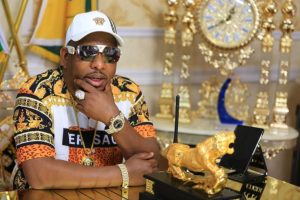
Sonko’s brand was simple: direct service to the people. Whether it was paying school fees, footing hospital bills, or even organizing funeral transport for bereaved families, his “people’s touch” won him unshakable grassroots loyalty.
But it also unsettled the political elite. His unorthodox, populist style was viewed as a threat to established political hierarchies.
Why the Court Win Matters
The release of Sh550 million not only restores Sonko’s financial muscle but also reignites speculation about his political comeback. Analysts argue that in a city where politics is both expensive and fiercely competitive, money is oxygen.
“Sonko without money was a wounded lion. Sonko with money is a political volcano,” remarked a Nairobi-based political analyst.
Beyond the legal symbolism, the court victory undermines the narrative that Sonko’s wealth was entirely ill-gotten. It grants him a fresh PR tool — the chance to argue that his political downfall was engineered, not earned.
2027: Sonko’s Wild Card
With the 2027 elections on the horizon, Nairobi’s political chessboard could dramatically shift should Sonko formally declare his intentions. His massive grassroots networks, coupled with his unrivaled ability to connect with ordinary voters, make him an unpredictable but formidable contender.
“All it takes is Sonko to declare, and Nairobi politics flips overnight,” noted one city politician.
Already, whispers within Nairobi’s estates suggest renewed excitement. For the hustlers, the single mothers, the youth, and the unemployed, Sonko still represents a leader who speaks their language.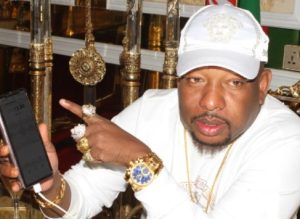
Mike Sonko’s return to financial freedom may just be the first step in his larger mission — reclaiming his space in Kenya’s political theatre. Whether he seeks Nairobi’s top seat again or positions himself nationally, one truth is undeniable: nobody can afford to underestimate him.
Today, the High Court didn’t just free Sonko’s millions — it may have freed his political destiny.


